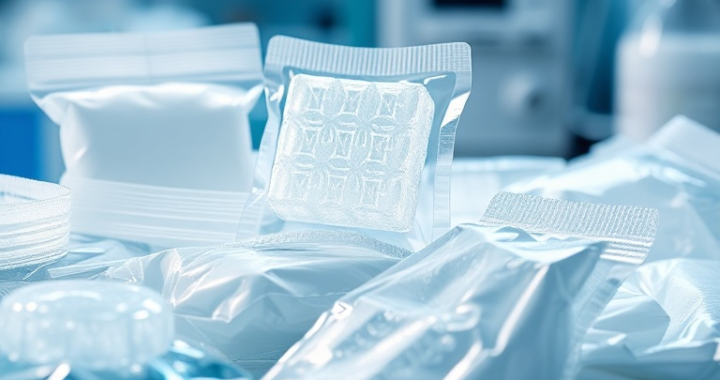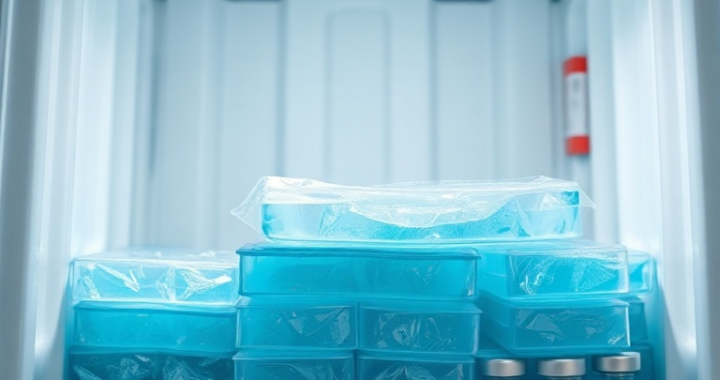






In the vast, intricate network that delivers life-saving vaccines and medications to every corner of the globe, there are countless components working silently, diligently, and often unnoticed. Among these vital elements are the specialized medical ice packs—the true Unsung Heroes Cold. These unassuming devices play a pivotal role in the cold chain, a sophisticated system designed to maintain optimal temperatures for temperature-sensitive products from manufacturing to the point of administration. Without their precise performance, the efficacy and safety of critical pharmaceuticals would be severely compromised, rendering vast efforts in medical research and distribution futile.
The journey of a vaccine, for instance, is far more complex than many realize. It involves meticulously controlled environments at every stage, from the factory floor to the local clinic refrigerator. Any deviation from the prescribed temperature range—whether too warm or too cold—can degrade the product, making it ineffective or even harmful. This is where the innovation in cold chain technology, particularly in specialized medical ice packs, becomes not just important, but absolutely essential. They are the silent protectors, safeguarding public health one temperature-controlled shipment at a time.
The Criticality of Cold Chain: Why Temperature Matters for Unsung Heroes Cold
The concept of the cold chain is fundamental to modern medicine. It’s a temperature-controlled supply chain that includes all the equipment and procedures used to maintain a specific temperature range. For many medical products, this range is incredibly narrow, often between 2°C and 8°C (35°F and 46°F). Breaching these limits, even for a short period, can have catastrophic consequences.
Consider the global effort to vaccinate populations against various diseases. Billions of doses are transported annually across continents, through varying climates, and into remote areas. Each dose represents an investment in health and a hope for disease prevention. The integrity of this entire process hinges on maintaining the cold chain, and at its heart are the adaptable and robust Unsung Heroes Cold: specialized medical ice packs.
The Science Behind Temperature Sensitivity
Many vaccines and medications are biological products, meaning they contain delicate proteins or live attenuated viruses that are highly susceptible to temperature fluctuations. Heat can denature proteins, altering their structure and rendering them incapable of eliciting an immune response or performing their intended therapeutic function. Cold, on the other hand, can cause freezing, which can also damage cellular structures and compromise the stability of certain formulations, especially those containing adjuvants.
Pharmaceutical companies invest heavily in stability testing to determine the precise temperature requirements for their products. These requirements are not arbitrary; they are based on rigorous scientific data. A 2019 study published in the journal *Vaccine* highlighted that improper temperature management accounts for a significant percentage of vaccine wastage annually, underscorating the economic and public health impact of cold chain failures. This wastage not only represents lost resources but also missed opportunities to protect vulnerable populations.
Beyond Basic Ice: The Innovation of Specialized Medical Ice Packs for Unsung Heroes Cold
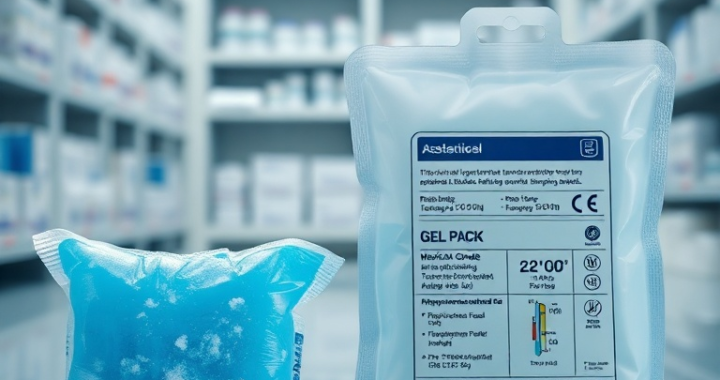
When most people think of ice packs, they envision a bag of frozen water. While effective for a sprained ankle, this basic approach is entirely inadequate for the rigorous demands of the medical cold chain. Specialized medical ice packs are engineered with advanced materials and formulations to provide precise, sustained temperature control, far surpassing the capabilities of conventional ice.
These sophisticated thermal solutions are designed to address the specific challenges of transporting sensitive medical goods. They come in various forms and utilize different phase change materials (PCMs) to maintain temperatures within exact limits for extended periods. This level of precision is what truly elevates them to the status of Unsung Heroes Cold in the medical supply chain.
Different Types and Technologies
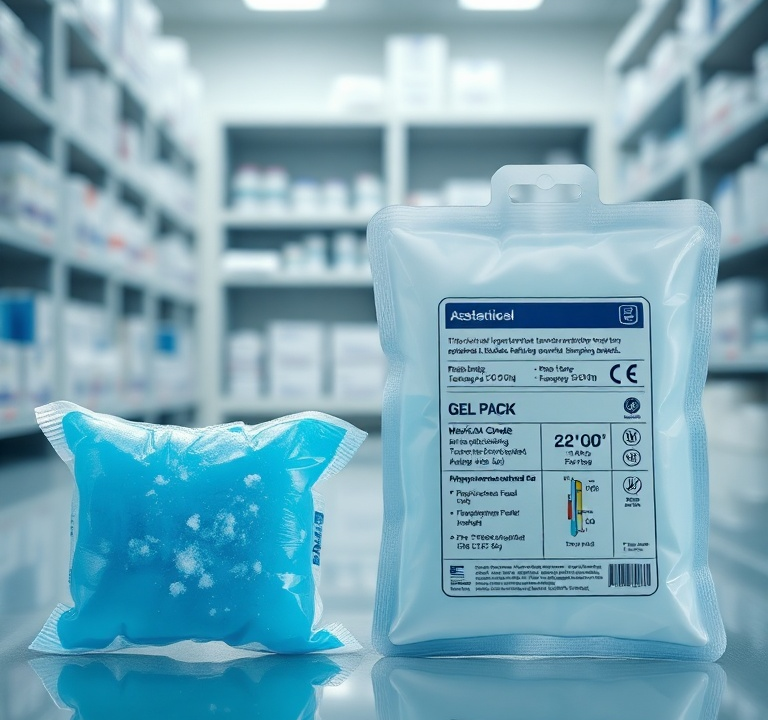
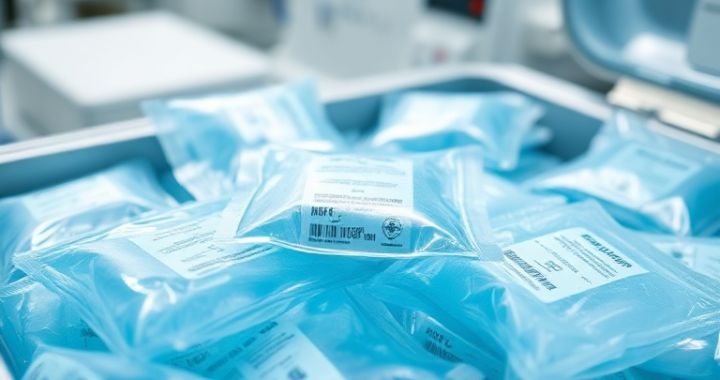
The world of medical ice packs is surprisingly diverse. It includes gel packs, which often contain non-toxic polyacrylate polymers that absorb and release thermal energy. There are also saline-based packs, designed to freeze at specific temperatures, often slightly above 0°C, to prevent accidental freezing of sensitive products. For ultra-cold requirements, some systems utilize dry ice or specialized cryogenic materials, though these require even more stringent handling protocols.
Perhaps the most innovative are phase change material (PCM) packs. These materials are engineered to melt and freeze at precise temperatures, absorbing and releasing large amounts of latent heat during these phase transitions. This allows them to maintain a stable temperature for much longer than water ice, which melts at 0°C and can cause freezing damage. For example, some PCMs are designed to maintain a stable 5°C, ideal for many vaccines, or even 22°C for room-temperature sensitive medications, demonstrating their versatility as Unsung Heroes Cold solutions.
Precision Temperature Control: A Core Function
The ability to provide precision temperature control is the defining feature of these specialized packs. It’s not just about keeping things cold; it’s about keeping them *at the right cold*. This is achieved through careful selection of PCM formulations and rigorous testing to ensure performance under various environmental conditions. For instance, a vaccine shipment traveling through a tropical climate requires robust thermal protection to prevent overheating, while a journey through an arctic region demands safeguards against freezing.
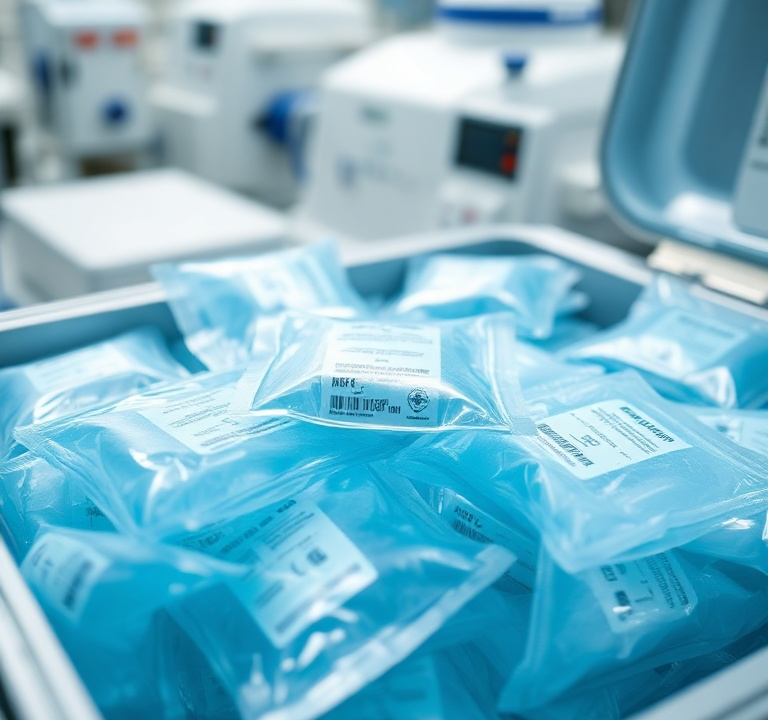
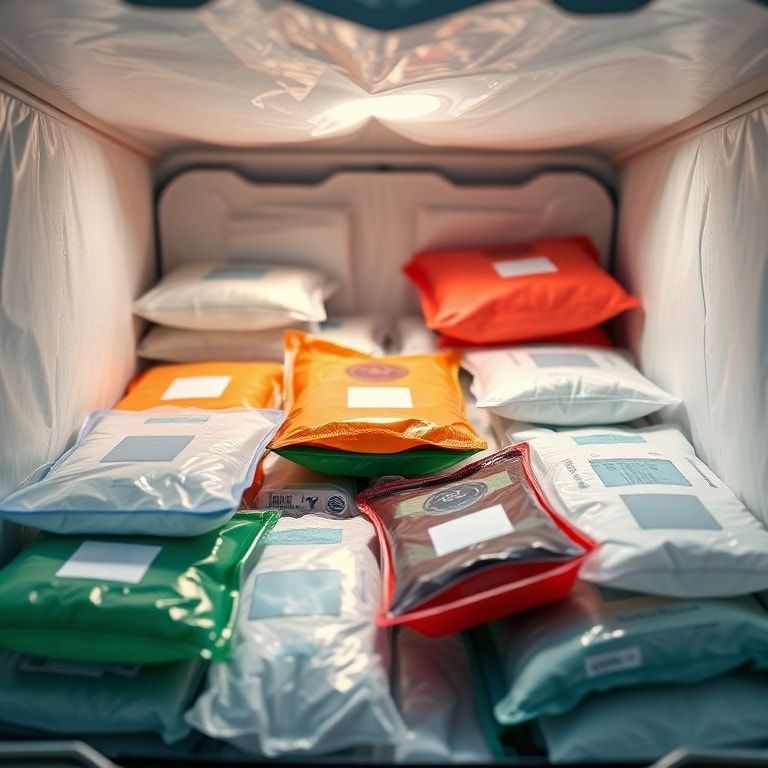
Advanced packing protocols often involve specific arrangements of these packs within insulated containers to create a thermal buffer. This intelligent design ensures that even if external temperatures fluctuate wildly, the internal environment for the medications remains stable. This meticulous approach to thermal management is a testament to the crucial role these Unsung Heroes Cold play in safeguarding global health initiatives.
Global Impact: Protecting Public Health with Unsung Heroes Cold
The impact of reliable cold chain solutions, powered by specialized medical ice packs, on global public health cannot be overstated. From routine childhood immunizations to emergency medical supplies in disaster zones, these technologies are quietly making a monumental difference. They are the backbone of health equity, ensuring that even the most remote communities have access to effective medical treatments.
Vaccine Distribution: A Lifeline
Vaccines are one of humanity’s greatest achievements, preventing millions of deaths and disabilities annually. However, their full potential can only be realized if they reach people in a viable state. This is where the Unsung Heroes Cold truly shine. Organizations like UNICEF and the World Health Organization (WHO) rely heavily on robust cold chain systems to deliver vaccines to children and adults in developing countries, where infrastructure can be challenging.
During the COVID-19 pandemic, the world witnessed an unprecedented scale of vaccine distribution. Specialized ice packs, alongside ultra-low temperature freezers and insulated shippers, were instrumental in maintaining the integrity of billions of doses, some requiring temperatures as low as -70°C. This global effort underscored the absolute necessity of these thermal management solutions in a health crisis of monumental proportions. Without them, the rapid deployment of life-saving vaccines would have been impossible, dramatically altering the course of the pandemic.
Medication Stability: Ensuring Efficacy
Beyond vaccines, a vast array of other critical medications also depend on the cold chain. Insulin for diabetes, certain chemotherapy drugs, biological therapies for autoimmune diseases, and even some antibiotics require strict temperature control. For patients relying on these medications, their efficacy is paramount. A degraded medication might not only fail to treat the condition but could also lead to adverse effects or a worsening of the patient’s health.
Pharmacists and healthcare providers understand the critical importance of proper storage. When a patient receives a medication, there’s an inherent trust that it has been handled correctly throughout its journey. Specialized medical ice packs uphold that trust, acting as silent guardians of therapeutic integrity. They ensure that when a medication reaches a patient, it is just as potent and safe as when it left the manufacturing facility, reinforcing their role as Unsung Heroes Cold.
Challenges and the Future of Unsung Heroes Cold
Despite their incredible utility, the cold chain and its components, including specialized ice packs, face ongoing challenges. The increasing complexity of new biological drugs, which often have even stricter temperature requirements, demands continuous innovation. Furthermore, the imperative for global health equity means reaching ever more remote and challenging environments.
Logistical Hurdles
Transporting temperature-sensitive goods across vast distances, through varying climates, and into areas with limited infrastructure presents significant logistical hurdles. Power outages, extreme weather events, and insufficient cold storage facilities in certain regions can all jeopardize the cold chain. This necessitates not only resilient ice pack technology but also robust monitoring systems and highly trained personnel to manage potential risks.
The development of “smart” cold chain solutions, incorporating sensors that track temperature, humidity, and location in real-time, is helping to mitigate some of these risks. These systems can alert distributors to potential breaches, allowing for immediate intervention. However, the fundamental need for reliable passive thermal protection provided by advanced ice packs remains critical, especially for the “last mile” of delivery where active cooling might not be available. These Unsung Heroes Cold are adaptable to many scenarios.
Sustainable Solutions
As the demand for cold chain logistics grows, so does the environmental footprint associated with it. The materials used in ice packs and insulated containers, as well as the energy consumed in refrigeration and transportation, contribute to environmental concerns. The industry is increasingly focused on developing more sustainable solutions.
This includes research into reusable and recyclable ice pack materials, bio-based PCMs, and more energy-efficient insulation for shipping containers. Manufacturers are exploring ways to reduce waste and minimize the carbon emissions associated with cold chain operations, ensuring that the critical work of these Unsung Heroes Cold aligns with broader environmental goals. The future of cold chain sustainability will depend on a holistic approach that balances efficacy with ecological responsibility.
Conclusion: Celebrating the Silent Protectors
The specialized medical ice packs are indeed the Unsung Heroes Cold of the modern medical world. They operate silently, often overlooked, yet their contribution to global health is immeasurable. From preserving the potency of life-saving vaccines to ensuring the efficacy of critical medications, these technologically advanced thermal solutions are indispensable components of the cold chain. They embody precision, reliability, and an unwavering commitment to safeguarding public health against the relentless forces of temperature variation.
Their innovation allows medical breakthroughs to reach those who need them most, regardless of geographical barriers or environmental challenges. As we look to a future with increasingly complex biological drugs and the ongoing need for widespread immunization, the role of these silent protectors will only grow in importance. Let us recognize and appreciate these vital elements that tirelessly work behind the scenes, ensuring that every dose, every vial, and every patient is protected. Support initiatives that strengthen the cold chain and learn more about the incredible science behind these essential health guardians. Your awareness helps champion these crucial, yet often invisible, contributors to global well-being.