




The global pharmaceutical landscape is a complex web of research, development, manufacturing, and distribution, all aimed at delivering life-saving medications to patients worldwide. Central to this intricate process is the cold chain – a meticulously managed temperature-controlled supply chain that safeguards the integrity and efficacy of temperature-sensitive drugs. Without it, many modern medicines would be rendered useless before they even reach their intended recipients. This blog post delves into the critical role of pharmaceutical gel packs, those unsung heroes that are instrumental in Unlocking Cold Chain efficiency and ensuring drug safety from production line to patient.
The future of logistics, particularly in the healthcare sector, hinges on innovative solutions that maintain precise temperature control. As pharmaceutical products become increasingly complex and temperature-sensitive, the demand for robust and reliable cold chain solutions escalates. From vaccines to biologics, consistent temperature management is not merely a preference but a regulatory and ethical imperative. Understanding the mechanisms and advancements in this field is key to Unlocking Cold Chain‘s full potential.
The Imperative of Cold Chain in Pharmaceuticals: Unlocking Cold Chain Integrity
Pharmaceutical products, especially biologics, vaccines, and certain specialty medications, are highly susceptible to temperature fluctuations. Exposure to temperatures outside their specified range can lead to degradation, reduced potency, or even the formation of harmful byproducts. This degradation not only compromises patient safety but also results in substantial financial losses for manufacturers and healthcare providers.
Maintaining a consistent temperature throughout the entire distribution journey, often referred to as “vein-to-arm” or “factory-to-patient,” is paramount. This journey can involve multiple modes of transport—air, sea, and land—and various storage facilities, each presenting unique challenges. The integrity of the cold chain directly impacts the therapeutic effectiveness of the drug, making it a non-negotiable aspect of pharmaceutical logistics.
Understanding Temperature Excursions and Their Risks
A temperature excursion occurs when a temperature-sensitive product is exposed to conditions outside its defined temperature range. These excursions can be brief or prolonged, and their impact can range from negligible to catastrophic. For instance, a vaccine exposed to freezing temperatures can lose its potency permanently, rendering it ineffective.
The risks associated with temperature excursions are multifaceted. Firstly, there’s the direct risk to patient health, as an ineffective or compromised drug may fail to treat the intended condition. Secondly, there are significant economic implications, including product loss, recall costs, and potential legal liabilities. Regulatory bodies worldwide, such as the FDA and EMA, impose strict guidelines to mitigate these risks, underscoring the importance of robust cold chain management.
The Silent Guardians: Pharmaceutical Gel Packs in Action
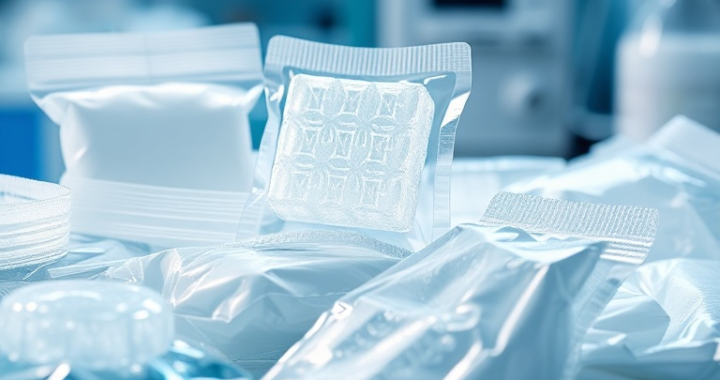
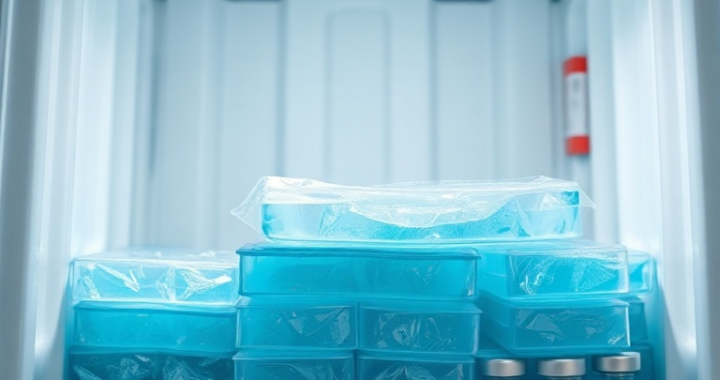
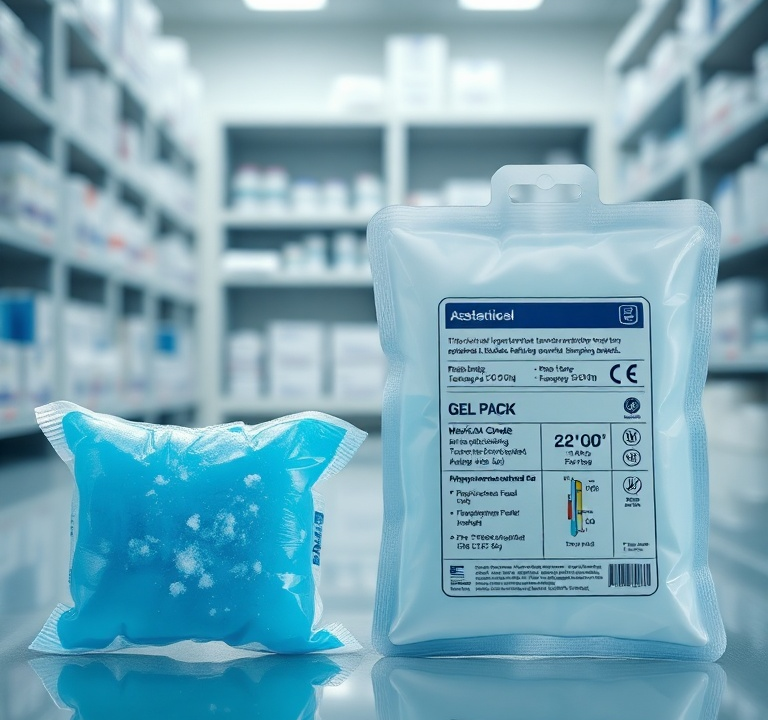
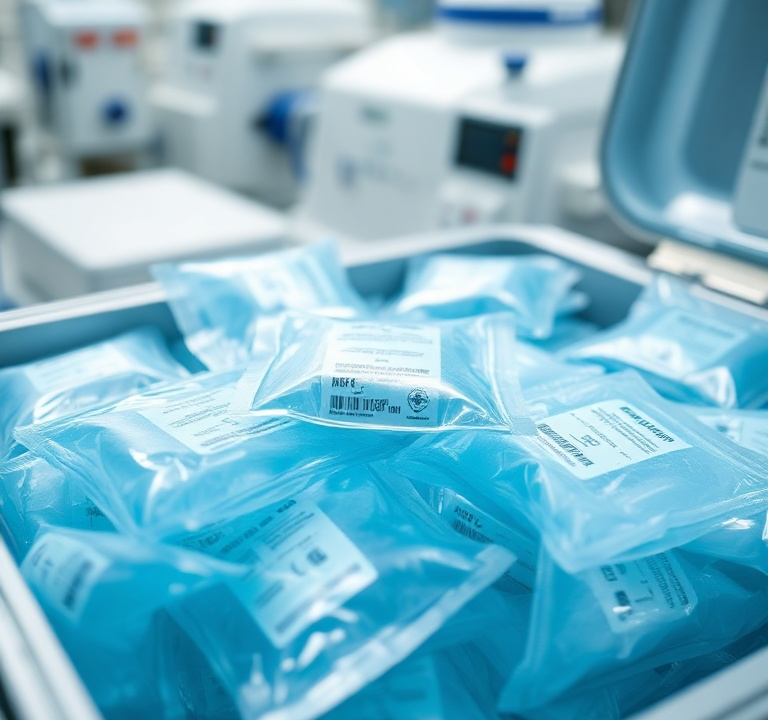
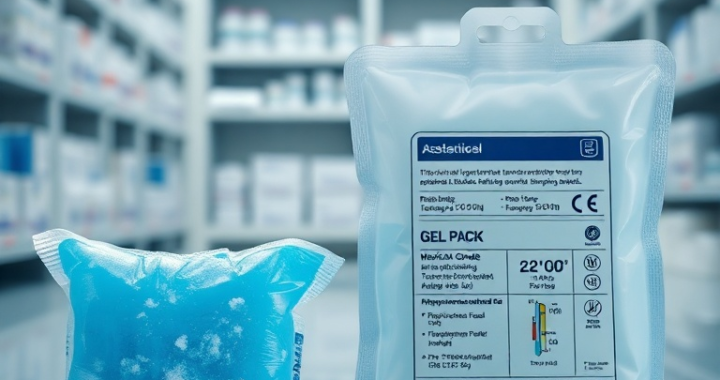
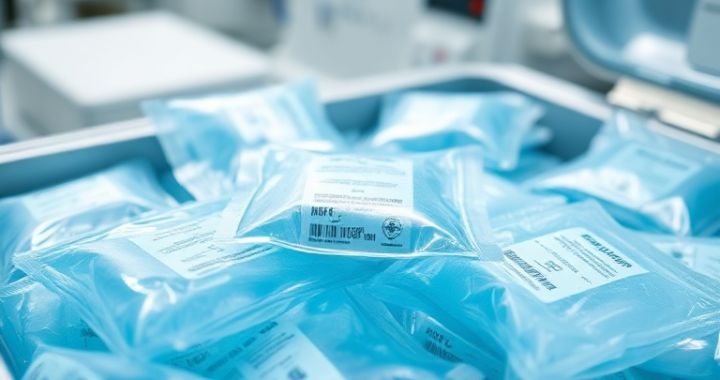
At the heart of many cold chain packaging solutions are pharmaceutical gel packs. These seemingly simple devices are meticulously engineered to absorb and release thermal energy, maintaining a stable temperature within insulated containers. They are crucial for extending the duration of temperature control, particularly during transit or in situations where active refrigeration is impractical.
Gel packs come in various formulations, each designed for specific temperature ranges and performance characteristics. From standard water-based gels to advanced phase change materials (PCMs), their selection is critical to the success of a cold chain shipment. The right gel pack, combined with proper insulation, forms a formidable barrier against external temperature fluctuations.
Types of Gel Packs and Their Applications
Traditional gel packs typically contain water mixed with a gelling agent, often a superabsorbent polymer. These are cost-effective and suitable for maintaining temperatures around 0°C to 8°C. They are widely used for shipping vaccines, insulin, and other common temperature-sensitive pharmaceuticals. Their effectiveness depends on proper conditioning—pre-freezing or pre-chilling—before use.
Phase Change Materials (PCMs) represent a more advanced category. PCMs absorb and release large amounts of latent heat as they transition between solid and liquid states, maintaining a very stable temperature for extended periods. Unlike water-based gels that freeze at 0°C, PCMs can be engineered to freeze and thaw at specific temperatures, such as -20°C, 5°C, or 25°C, making them ideal for precise temperature profiles required by sensitive biologics.
Beyond Basic Cooling: Advanced Gel Pack Technologies for Unlocking Cold Chain Potential
The evolution of gel pack technology is driven by the increasing complexity of pharmaceutical products and stricter regulatory requirements. Innovations focus on enhancing performance, extending duration, and improving sustainability. These advancements are key to truly Unlocking Cold Chain capabilities for future drugs.
Smart gel packs are emerging, incorporating indicators that change color if a temperature excursion occurs, providing a visual warning. Some even integrate RFID or NFC tags to record temperature data, offering real-time monitoring capabilities. This shift towards intelligent packaging adds another layer of security and traceability to the cold chain.
Optimizing Performance Through Design and Formulation
Manufacturers are constantly refining the chemical composition and physical design of gel packs to improve their efficiency. This includes developing gels with higher thermal mass, optimizing their shape for better contact with products, and creating modular systems that can be customized for different shipping volumes and temperature profiles. The goal is to maximize temperature stability while minimizing weight and volume.
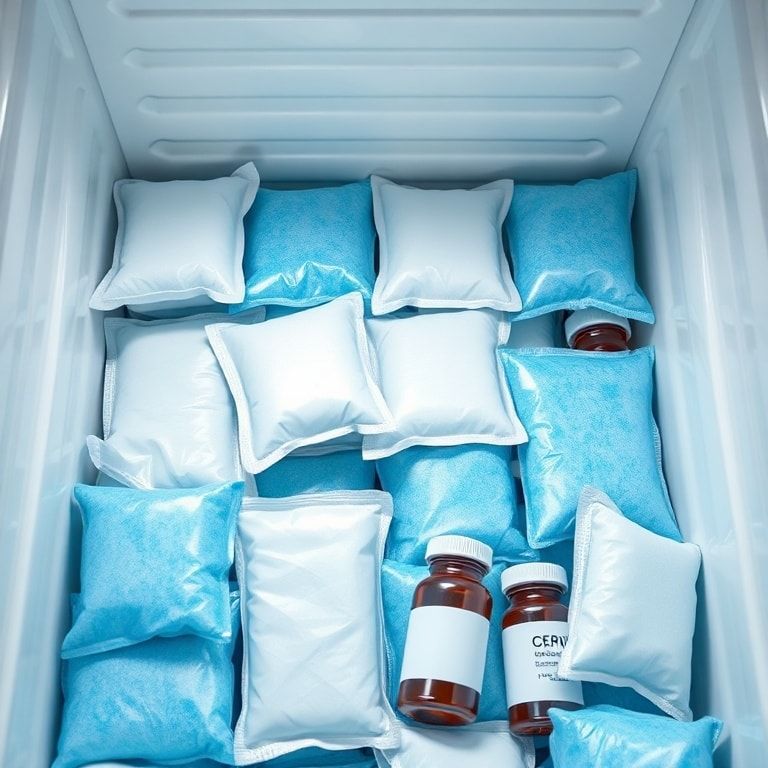
Furthermore, the integration of gel packs with advanced insulating materials, such as vacuum insulated panels (VIPs) or expanded polystyrene (EPS) foam, creates highly efficient thermal packaging solutions. These integrated systems can maintain precise temperatures for several days, crucial for long-haul international shipments or last-mile deliveries to remote areas.
Impact on Patient Safety and Efficacy: The Ultimate Goal of Unlocking Cold Chain
The meticulous management of the cold chain, heavily reliant on effective gel packs, directly translates into improved patient safety and drug efficacy. When drugs are kept within their optimal temperature range, their chemical stability is preserved, ensuring they deliver the intended therapeutic effect. Conversely, compromised drugs can lead to treatment failures, adverse reactions, and a loss of trust in healthcare systems.
For critical medications like vaccines, maintaining the cold chain is literally a matter of life and death. The World Health Organization (WHO) emphasizes the critical role of cold chain in global immunization programs. Every dose must be potent and safe, a standard that gel packs help uphold by protecting vaccines during their journey to clinics and hospitals, especially in regions with unreliable infrastructure.
Reducing Waste and Ensuring Access
Effective cold chain management, bolstered by reliable gel packs, significantly reduces product waste due to spoilage. This is not only an economic benefit but also a crucial factor in ensuring equitable access to medicines globally. When fewer doses are lost to temperature excursions, more patients can receive the treatments they need, particularly in underserved communities.
Consider the logistical challenges of delivering medicines to remote villages or during humanitarian crises. Robust packaging solutions incorporating high-performance gel packs allow for the safe transport of essential drugs to these challenging environments. This capability is fundamental to public health initiatives and emergency response efforts worldwide.
Economic and Environmental Considerations in Unlocking Cold Chain Logistics
While the primary focus of cold chain is drug safety, economic and environmental factors are increasingly influencing its evolution. Reducing spoilage directly translates to significant cost savings, avoiding the financial burden of manufacturing replacements and managing recalls. This efficiency is vital for the sustainability of pharmaceutical supply chains.
Moreover, there’s a growing push for more sustainable cold chain solutions. This includes developing reusable gel packs, exploring biodegradable gelling agents, and optimizing packaging designs to reduce material usage. Companies are investing in research to create more eco-friendly options without compromising performance, aligning with broader corporate social responsibility goals.
The Drive Towards Sustainability
The industry is exploring alternatives to traditional single-use packaging components. Reusable gel packs, for instance, are designed for multiple cycles, reducing waste and the environmental footprint. Studies by industry bodies highlight the importance of life cycle assessments for cold chain packaging to identify areas for environmental improvement. This holistic approach is essential for the long-term viability of pharmaceutical logistics.
Furthermore, optimizing shipping routes and consolidating shipments can reduce fuel consumption and emissions. When combined with efficient thermal packaging that uses fewer, higher-performing gel packs, the overall environmental impact of the cold chain can be substantially lowered. These efforts underscore a commitment to responsible and forward-thinking logistics.
The Future of Unlocking Cold Chain Logistics: Innovation on the Horizon
The pharmaceutical cold chain is continuously evolving, driven by technological advancements and the increasing complexity of new drug therapies. The future promises even greater precision, efficiency, and sustainability. Innovations in data analytics, artificial intelligence, and IoT will play a pivotal role in further Unlocking Cold Chain capabilities.
Real-time monitoring solutions, where sensors embedded in packaging communicate temperature data wirelessly, are becoming more prevalent. This allows for immediate intervention if an excursion occurs and provides invaluable data for continuous process improvement. Predictive analytics can even forecast potential temperature risks based on weather patterns and route data, enabling proactive adjustments.
Automation and Smart Packaging
Automation in packaging and handling processes will reduce human error and increase throughput, particularly in high-volume distribution centers. Robotic systems can efficiently condition and place gel packs, ensuring consistency and precision. Smart packaging, beyond just temperature monitoring, might also track humidity, shock, and light exposure, providing a comprehensive environmental profile for each shipment.
The integration of blockchain technology could further enhance transparency and traceability within the cold chain. Imagine a tamper-proof digital ledger recording every temperature reading and handling event for a drug, accessible to all authorized parties. This level of accountability would significantly bolster trust and security in pharmaceutical distribution.
Conclusion: Unlocking Cold Chain for a Healthier Future
The critical role of pharmaceutical gel packs in safeguarding drug safety and efficacy cannot be overstated. These essential components of the cold chain are indispensable in maintaining the integrity of temperature-sensitive medications, from the moment they leave the factory to the point of patient administration. By preventing temperature excursions, they directly contribute to patient well-being, reduce waste, and ensure the economic viability of pharmaceutical supply chains.
As the pharmaceutical industry continues to innovate, so too will the technologies that support its cold chain. The ongoing evolution of gel pack design, the integration of smart technologies, and a concerted push towards sustainability will define the future of pharmaceutical logistics. Truly Unlocking Cold Chain potential means embracing these advancements to build a more resilient, efficient, and ultimately, a healthier future for all.
Don’t compromise on drug safety. Explore advanced cold chain solutions and ensure your pharmaceutical products are protected every step of the way. Contact us today to learn more about optimizing your temperature-controlled shipping strategies and how the latest gel pack technologies can benefit your operations.