



In the intricate world of pharmaceuticals and biotechnology, the journey from manufacturing plant to patient is fraught with peril, especially for temperature-sensitive products. Biologics, vaccines, and many life-saving drugs are incredibly delicate, their efficacy dependent on maintaining a precise temperature range. A deviation of even a few degrees can render them useless, or worse, harmful. This is where the unsung heroes of the supply chain step in: medical gel packs, the vigilant guardians against the threat of thermal degradation. These unassuming tools are essential for preserving the integrity of vital medications, ensuring they remain potent and effective, battling the constant challenge of temperature fluctuations.
The global pharmaceutical supply chain is a complex network, and safeguarding its most vulnerable cargo requires meticulous planning and innovative solutions. As we delve into the world of temperature-sensitive transport, we’ll uncover how these remarkable gel packs serve as the primary line of defense, maintaining the integrity of everything from flu shots to cutting-edge cancer therapies. Understanding their function is not just about logistics; it’s about patient safety and the successful delivery of critical healthcare. Let’s explore how these “Cold Guardians” protect valuable cargo.
The Critical Need for Cold Chain Integrity
The term “cold chain” refers to a temperature-controlled supply chain that is uninterrupted. It’s a critical component in the distribution of perishable products, particularly in the healthcare sector. For many modern medicines, maintaining a specific temperature range—often between 2°C and 8°C—is non-negotiable from the moment they are manufactured until they reach the end-user.
Biologics, for instance, which are drugs derived from living organisms, are highly susceptible to temperature excursions. Proteins within these medications can denature or aggregate if exposed to excessive heat or freezing temperatures, altering their structure and making them ineffective or even immunogenic. Similarly, vaccines, vital tools in public health, lose potency quickly outside their specified temperature parameters, jeopardizing immunization programs globally. The stakes are incredibly high when it comes to preserving the cold chain.
The financial implications of cold chain breaches are also staggering. The loss of a single batch of high-value biologics due to temperature deviation can cost millions of dollars, not to mention the delays in patient treatment and potential reputational damage for pharmaceutical companies. Therefore, robust temperature control solutions are not just a best practice; they are an economic and ethical imperative. Protecting these sensitive products from the cold and heat is paramount.
Understanding Medical Gel Packs: Your Cold Chain Allies
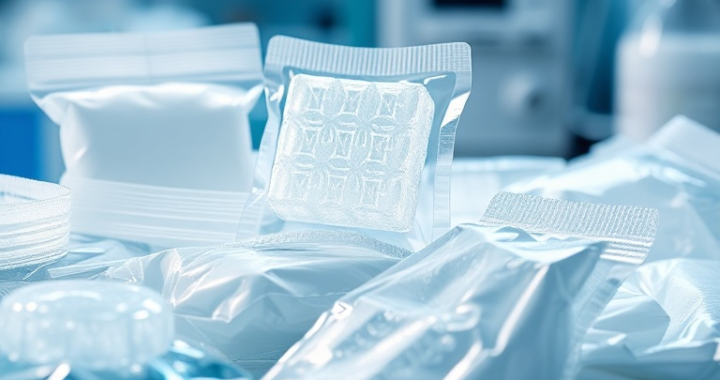
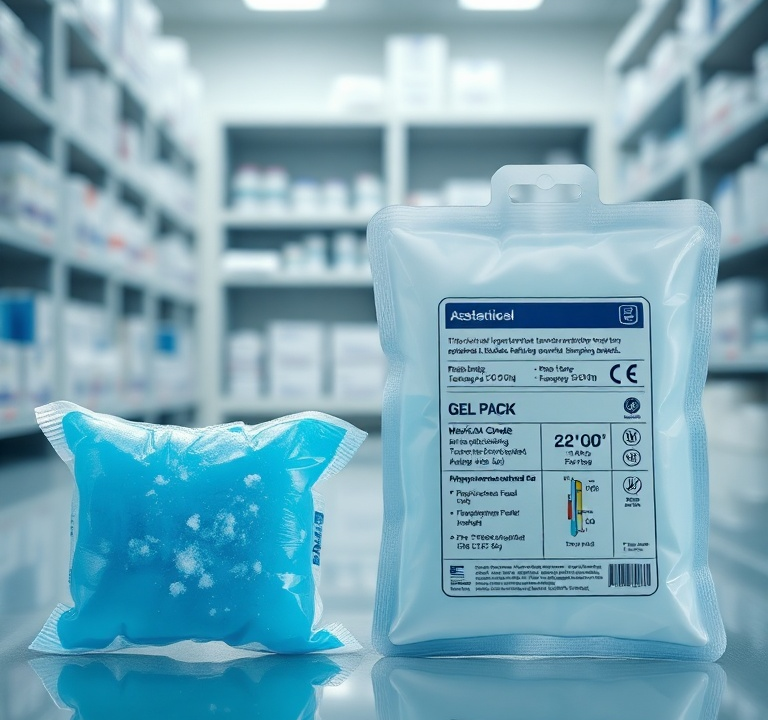
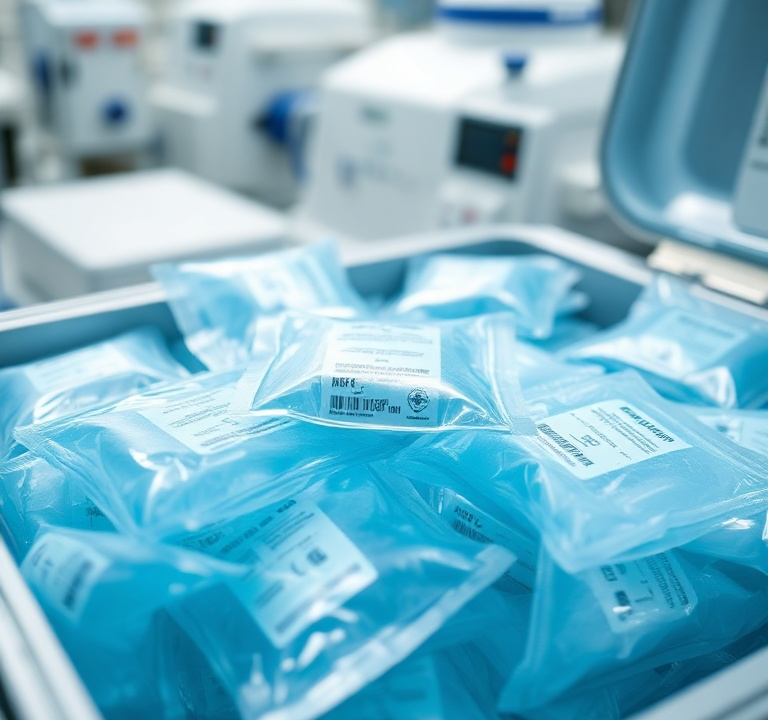
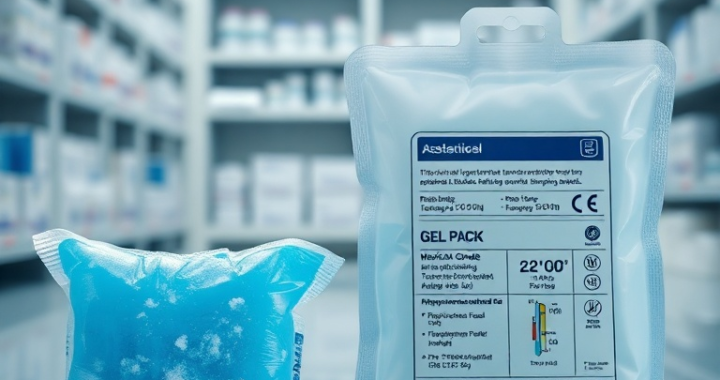
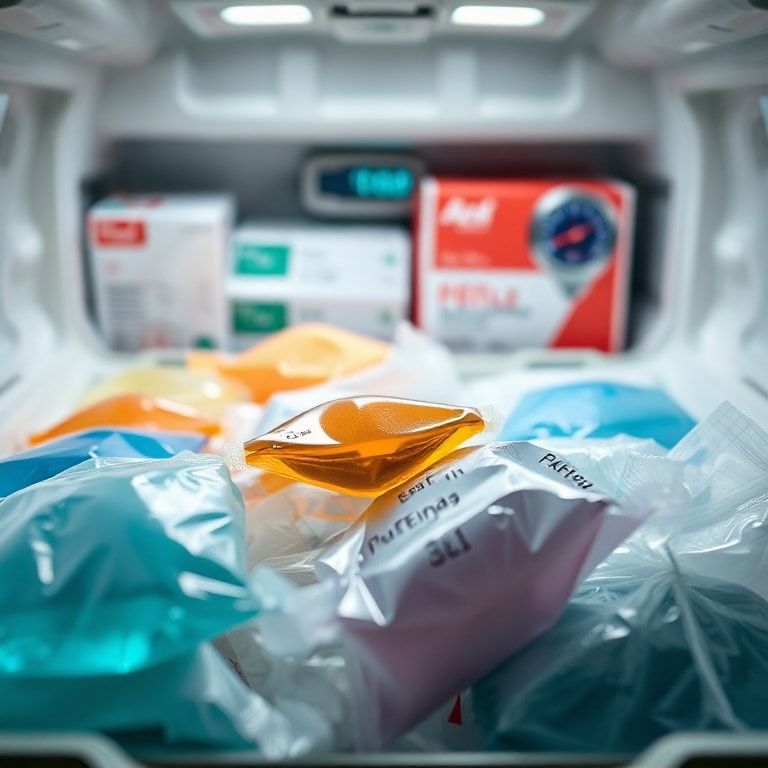
Medical gel packs are more than just frozen water. They are sophisticated thermal management devices engineered to absorb or release thermal energy, thereby maintaining a consistent temperature within an insulated container for extended periods. Their design and composition are crucial to their effectiveness in protecting sensitive cargo.
The primary function of these gel packs is to serve as a thermal buffer, preventing rapid temperature changes inside shipping containers. They work by leveraging the principle of latent heat, which is the energy absorbed or released during a phase change (e.g., from solid to liquid or liquid to solid) without a change in temperature. This property allows them to maintain a stable temperature for much longer than simple ice.
Choosing the right type of gel pack depends on the specific temperature requirements and duration of transport. From maintaining frozen conditions to preventing freezing, gel packs are versatile tools in the cold chain arsenal. Understanding their science is key to their proper deployment and maximizing their protective capabilities. They are truly the unsung heroes of cold storage and transit.
The Science of Cold Retention
At the heart of every medical gel pack is a carefully formulated phase change material (PCM). Unlike water, which freezes at 0°C (32°F) and thaws at the same temperature, PCMs can be engineered to freeze and thaw at specific, desired temperatures. This allows for tailored solutions for different temperature-sensitive products.
For instance, some PCMs are designed to freeze at -20°C (-4°F) for deep-frozen shipments, while others are formulated to maintain a consistent 5°C (41°F) for refrigerated products. This precise temperature control is achieved by selecting materials with specific melting points, which then absorb heat as they thaw (or release heat as they freeze) at that exact temperature, creating a steady thermal environment. This ability to absorb a significant amount of heat during their phase change is what gives them their superior thermal buffering capacity compared to plain ice.
The outer casing of these gel packs is typically made from durable, puncture-resistant plastic film, ensuring the integrity of the internal gel and preventing leakage. This robust construction is essential, as packs may undergo significant handling and pressure during transit. The combination of advanced PCM technology and protective packaging makes medical gel packs highly reliable for critical cold chain applications.
Types of Cold Gel Packs and Their Applications
The diversity of temperature requirements for biologics and pharmaceuticals necessitates a range of gel pack solutions. Each type is designed to address specific challenges within the cold chain. Knowing which to use is crucial for effective temperature management.
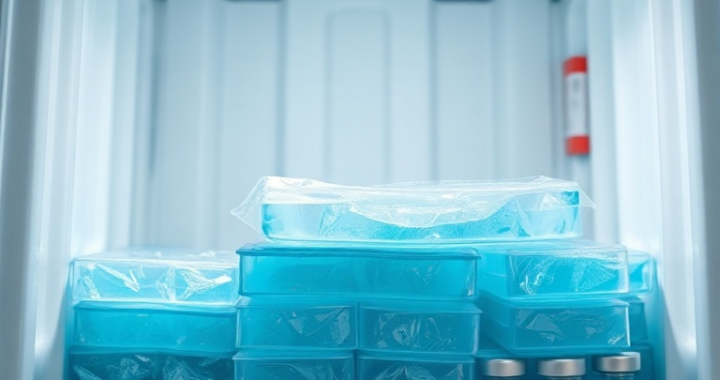
**Refrigerant Gel Packs (2°C to 8°C):** These are the most common type, designed to maintain standard refrigerated temperatures. They typically contain a non-toxic, water-based gel or a PCM that freezes slightly below 0°C but provides extended cold retention. They are ideal for vaccines, insulin, and many biologics that require strict refrigeration without freezing.
**Frozen Gel Packs (-15°C to -25°C):** For products requiring deep-frozen conditions, specialized gel packs with lower freezing points are used. These often contain a salt-based solution or a specific PCM engineered to maintain sub-zero temperatures. They are critical for certain types of biologics, cell therapies, and diagnostic reagents that must remain solidly frozen.
**Controlled Room Temperature (CRT) Gel Packs (15°C to 25°C):** While not strictly “cold,” these are integral to thermal management, preventing products from getting too hot or too cold. They use PCMs that maintain temperatures within the CRT range, often protecting against both freezing and excessive heat during transport. This prevents damage from both ends of the temperature spectrum.
**Hot Packs (for preventing freezing):** In extremely cold environments, some products need to be kept above freezing. While less common than cold packs, specialized hot packs can be used to release latent heat and prevent sensitive medications from dropping below a critical temperature, offering a unique solution to specific cold challenges.
Mastering the Cold Chain: Best Practices for Transport
Effective use of medical gel packs goes beyond simply placing them in a box. It involves a systematic approach to packaging, preparation, and monitoring to ensure consistent temperature control throughout the entire transport process. Adhering to best practices is vital for maintaining the cold chain integrity.
**Proper Conditioning:** Gel packs must be conditioned to their target temperature before use. This means freezing or chilling them according to manufacturer instructions, often for a specific duration. Improper conditioning can lead to premature thawing or insufficient cooling capacity, compromising the entire shipment. This step is critical for ensuring the gel pack performs as intended.
**Insulated Packaging:** Gel packs work in conjunction with insulated containers, such as expanded polystyrene (EPS) coolers or vacuum insulated panels (VIPs). The insulation minimizes heat transfer between the inside and outside of the package, allowing the gel packs to maintain the desired temperature range for longer. The synergy between insulation and gel packs is key to success.
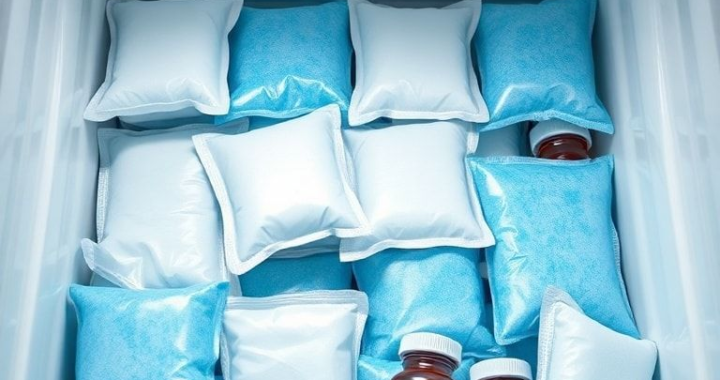
**Strategic Placement:** The arrangement of gel packs within the container is crucial. They should be strategically placed around the product to create an even thermal envelope, preventing hot or cold spots. For some applications, “top and bottom” or “surround” configurations are recommended to optimize temperature distribution. This ensures uniform protection from the cold.
**Temperature Monitoring:** Integrating temperature loggers or indicators into shipments provides real-time data or alerts about temperature excursions. This allows for immediate intervention if a problem arises and provides valuable data for quality assurance and continuous improvement of cold chain processes. Monitoring is the final safeguard.
**Validation and Testing:** Before deployment, packaging solutions using gel packs should undergo rigorous validation testing under simulated transport conditions. This ensures that the chosen combination of gel packs, insulation, and product can maintain the required temperature range for the specified duration and against anticipated external temperatures. This step is non-negotiable for critical shipments.
Innovations in Cold Chain Technology
The pharmaceutical industry is constantly evolving, and so too are the technologies supporting the cold chain. Innovations in gel pack technology and overall cold chain management are leading to more efficient, sustainable, and reliable solutions. These advancements are crucial for addressing new challenges.
One significant area of innovation is the development of advanced PCMs with even more precise melting points and higher latent heat capacities. These next-generation materials offer extended temperature hold times and better performance under extreme ambient conditions, reducing the risk of temperature excursions. They are making the cold chain more resilient.
Reusable gel packs and sustainable packaging materials are also gaining traction. Companies are focusing on reducing waste and environmental impact by developing gel packs that can be cleaned, reconditioned, and reused multiple times, along with recyclable or biodegradable insulation materials. This commitment to sustainability is becoming a core aspect of cold chain logistics, addressing environmental concerns alongside efficacy.
Furthermore, the integration of IoT (Internet of Things) devices and AI-powered analytics is transforming cold chain monitoring. Smart sensors embedded in packaging can provide real-time temperature, humidity, and location data, allowing for proactive intervention and predictive analytics to prevent potential cold chain breaches. This level of oversight provides unparalleled control and visibility.
These innovations collectively enhance the robustness and reliability of the cold chain, ensuring that even the most sensitive and valuable pharmaceuticals reach their destination safely and effectively. The future of protecting drugs from the cold looks increasingly sophisticated and secure.
Conclusion: Protecting Life-Saving Treatments from the Cold
The journey of a biologic, vaccine, or temperature-sensitive drug is a testament to the intricate science and meticulous logistics required to deliver modern healthcare. Medical gel packs, often overlooked, play a truly indispensable role in this complex ecosystem. They are the silent, steadfast guardians, working tirelessly to maintain the precise thermal conditions that preserve the efficacy and safety of life-saving treatments.
From the precise science of phase change materials to the strategic implementation within insulated packaging, every aspect of gel pack usage is critical to ensuring an unbroken cold chain. As pharmaceutical innovations continue to push boundaries, the demand for sophisticated and reliable temperature control solutions will only grow. The commitment to mastering the cold chain is not just about logistics; it’s about safeguarding public health and ensuring that patients worldwide receive the potent, effective medications they depend on.
Understanding and optimizing the role of these Cold Guardians is essential for anyone involved in the pharmaceutical supply chain. By embracing best practices and leveraging ongoing innovations, we can continue to ensure that these vital products arrive in perfect condition, ready to make a difference in countless lives. For more insights into optimizing your pharmaceutical logistics and ensuring the integrity of your temperature-sensitive shipments, explore our comprehensive solutions and reach out to our experts today. We are committed to helping you beat the cold.