

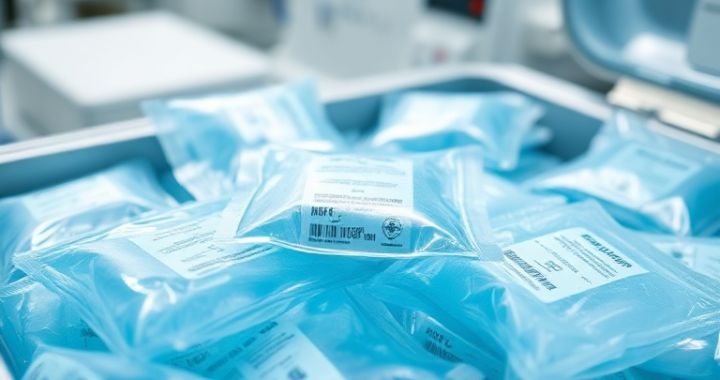

In the vast, intricate tapestry of modern healthcare, countless innovations and dedicated professionals work tirelessly behind the scenes to safeguard our well-being. While we often celebrate groundbreaking surgeries, revolutionary drugs, or heroic medical staff, there are other, more humble elements that play an equally critical, though often overlooked, role. These are the truly **unsung** heroes, the silent protectors ensuring that life-saving treatments reach us safely and effectively. Among these indispensable, yet rarely acknowledged, components are advanced cold packs – the guardians of vaccines and sensitive medications.
The journey of a vaccine from its manufacturing plant to a patient’s arm, or a life-saving medication from a lab to a hospital pharmacy, is fraught with peril. One of the greatest threats to their efficacy is temperature fluctuation. Imagine developing a miraculous cure, only for it to be rendered useless by a simple oversight in transport. This is where advanced cold packs step in, embodying the very essence of an **unsung** hero, meticulously maintaining the precise thermal conditions required to preserve potency and prevent spoilage. Their story is one of silent vigilance, unwavering protection, and profound impact on global health.
This blog post delves into the critical, often **unsung**, role of these ingenious devices. We will explore the science behind their effectiveness, their diverse applications, and the immense consequences of their failure. By understanding the intricate challenges of cold chain logistics and the sophisticated solutions offered by modern cold packs, we can truly appreciate their invaluable contribution to healthcare worldwide.
The Criticality of Cold: Why Temperature Matters for Medications
For many pharmaceutical products, temperature is not merely a storage recommendation; it is a fundamental determinant of their chemical stability and biological activity. Vaccines, insulin, biologics, and many oncology drugs are inherently fragile molecules. Exposure to temperatures outside their specified range can lead to degradation, rendering them ineffective or, in some cases, even harmful.
Consider the delicate structure of proteins in a vaccine. These complex molecules are designed to elicit a specific immune response. If exposed to excessive heat, their three-dimensional structure can unravel, a process known as denaturation. Once denatured, the vaccine loses its ability to train the immune system, effectively becoming inert. Conversely, freezing can also be detrimental, especially for liquid formulations, causing aggregation or damaging adjuvants, further compromising efficacy.
The pharmaceutical industry invests billions in research and development to create these life-saving compounds. Ensuring their integrity throughout the supply chain is paramount, not just to protect this investment but, more importantly, to safeguard public health. Every dose that spoils due to improper temperature control represents a lost opportunity for treatment, a potential health risk, and a waste of precious resources. This makes the role of reliable temperature control, often provided by these **unsung** cold packs, absolutely non-negotiable.
Understanding the Unsung Science of Cold Packs
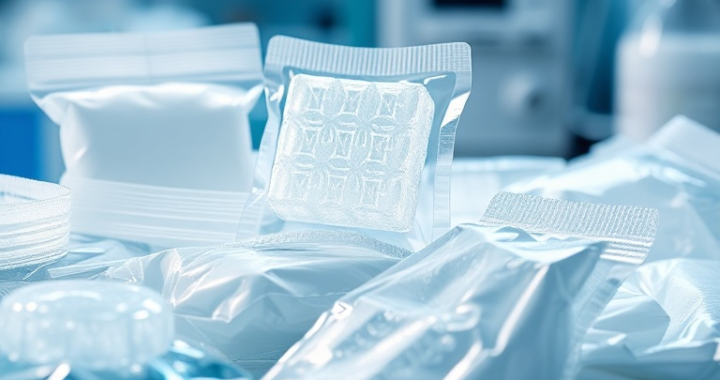
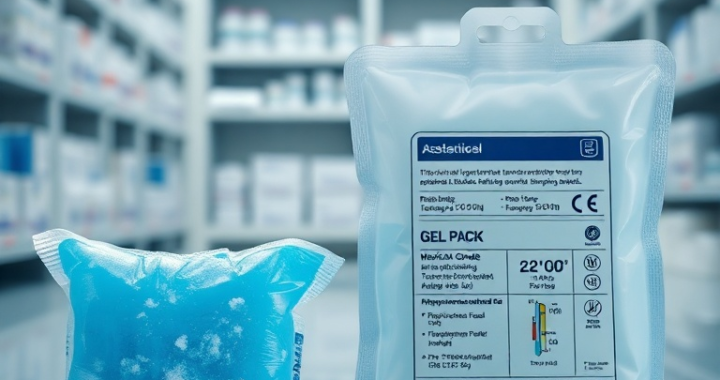
Traditional ice packs, while useful for minor injuries, are often insufficient for the stringent demands of pharmaceutical transport. Advanced cold packs employ sophisticated phase-change materials (PCMs) or gels that offer precise temperature control far beyond what simple water ice can provide. These materials are engineered to absorb and release thermal energy at specific temperatures, maintaining a stable environment for extended periods.
PCMs work by changing their physical state (e.g., from solid to liquid) at a defined temperature, absorbing a large amount of latent heat in the process without a significant change in their own temperature. This “thermal buffer” effect is crucial. For instance, a PCM designed to maintain 2-8°C will melt at that range, drawing heat from the surrounding environment and keeping the payload cool, even as external temperatures fluctuate wildly. This contrasts sharply with water ice, which melts at 0°C and can potentially expose sensitive medications to freezing temperatures.
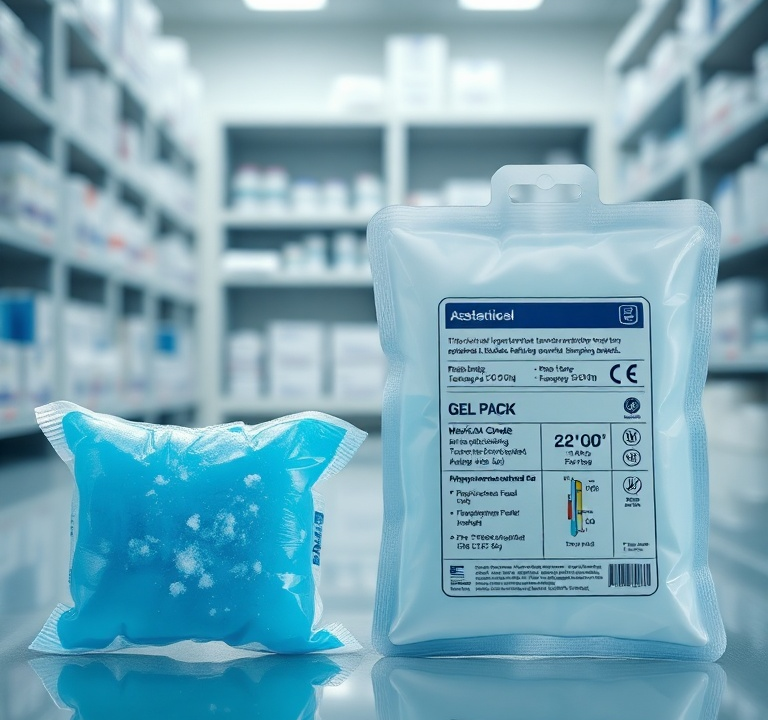
Different PCMs are formulated for various temperature ranges: some maintain ultra-cold conditions (e.g., -20°C or even -70°C for specific mRNA vaccines), others target refrigerated ranges (2-8°C), and some are designed for controlled room temperature (15-25°C). The careful selection and proper conditioning of these cold packs are vital steps in the cold chain, often performed by dedicated logistics professionals who understand the nuances of these **unsung** technologies.
Guardians of the Global Cold Chain: An Unsung Responsibility
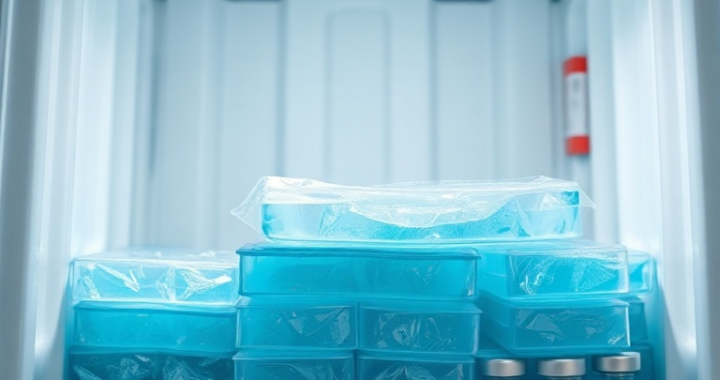
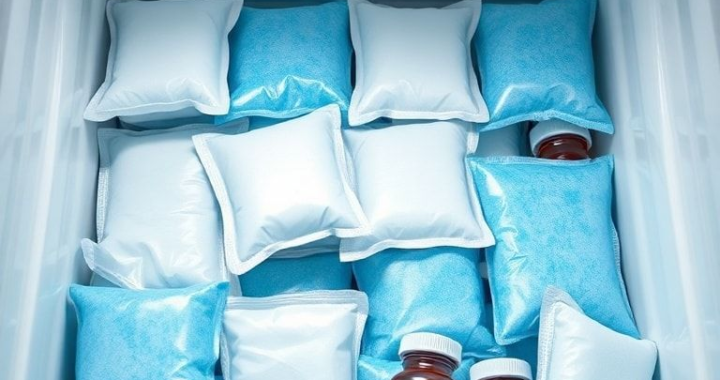
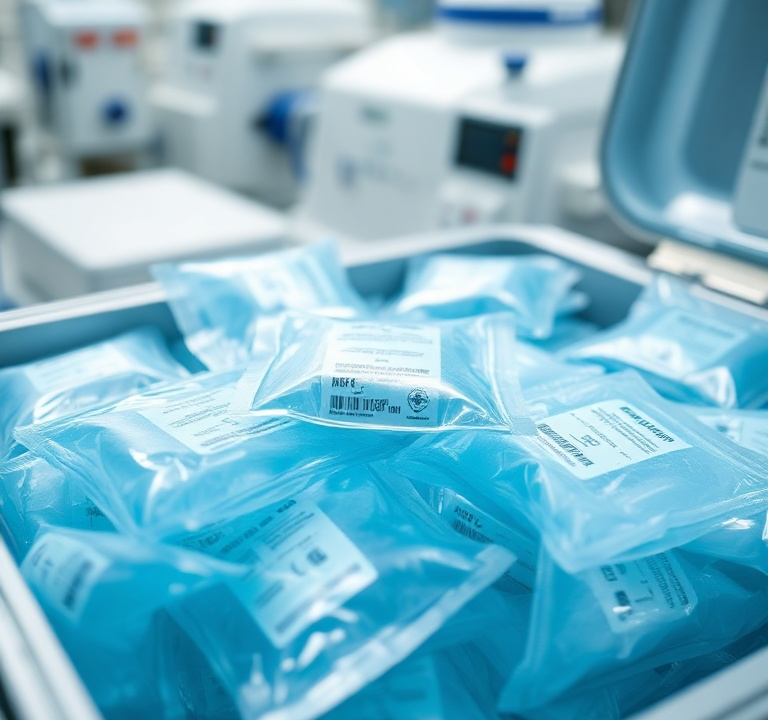
The cold chain is a complex, interconnected system of temperature-controlled storage and distribution. It extends from the manufacturing facility, through various warehouses, transportation hubs (air, sea, road), and finally to clinics, pharmacies, and patients. Each link in this chain is critical, and a single failure can compromise an entire batch of medication. Advanced cold packs are the mobile, adaptable workhorses of this system, providing localized temperature protection within larger insulated containers.
The COVID-19 pandemic vividly underscored the paramount importance of a robust cold chain. mRNA vaccines, requiring ultra-cold storage, presented unprecedented logistical challenges. Without specialized cold packs and containers capable of maintaining temperatures as low as -70°C, the global rollout of these life-saving vaccines would have been impossible. This monumental effort highlighted the collective, though often **unsung**, success of cold chain innovations.
Beyond vaccines, the cold chain protects a wide array of vital medications:
- **Insulin:** Essential for millions of diabetics globally.
- **Biologics:** Complex protein-based drugs used for autoimmune diseases, cancer, and other conditions.
- **Blood products:** Critical for transfusions and emergency medicine.
- **Organ donation transport:** Maintaining viability during transit.
Each of these requires specific temperature parameters, and advanced cold packs are custom-designed to meet these diverse needs, proving their versatility as **unsung** protectors across the healthcare spectrum.
The Cost of Failure: Why No Hero Can Be Unsung
The consequences of a cold chain breach are severe and far-reaching. At the most immediate level, spoiled medications lead to significant financial losses for pharmaceutical companies and healthcare providers. The cost of manufacturing, packaging, and transporting these sensitive drugs is substantial, and every compromised dose represents wasted resources.
More critically, compromised medications pose a direct threat to patient health. An ineffective vaccine leaves an individual vulnerable to disease. A degraded cancer drug may fail to stop tumor growth. An insulin dose that has lost its potency could lead to serious complications for a diabetic patient. These are not just financial losses; they are human costs, measured in prolonged illness, suffering, and even preventable deaths.
Furthermore, widespread cold chain failures can erode public trust in healthcare systems and vaccine programs. If people lose confidence in the quality and efficacy of distributed medicines, it can lead to vaccine hesitancy or reluctance to seek necessary treatments. This underscores why the reliability of even the most **unsung** components, like cold packs, is fundamental to maintaining the integrity of public health initiatives.
Innovations and the Future of Unsung Protection
The field of cold chain logistics is constantly evolving, driven by the increasing complexity of new medications and the global reach of healthcare. Manufacturers of advanced cold packs are continually innovating to improve performance, sustainability, and ease of use. This includes developing new PCM formulations that offer even tighter temperature control and longer duration, crucial for extended transit times to remote areas.
Smart packaging solutions are also emerging, integrating sensors that monitor temperature, humidity, and even location in real-time. These “smart cold packs” can alert logistics managers to potential excursions, allowing for immediate intervention and minimizing spoilage. This fusion of material science and digital technology is transforming how we protect sensitive medications, making the **unsung** heroes of yesterday even more sophisticated today.
Sustainability is another key focus. Efforts are underway to develop reusable cold packs and insulation materials, reducing waste and the environmental footprint of the cold chain. As healthcare becomes more globally interconnected, and as new therapies like cell and gene therapies emerge with even more stringent temperature requirements, the demand for highly advanced, reliable, and environmentally conscious cold pack solutions will only grow.
Conclusion: Recognizing the Unsung Impact
The advanced cold pack, often tucked away within an insulated box, silently enduring temperature extremes, is truly an **unsung** hero of modern healthcare. Its role, though rarely highlighted, is indispensable. It bridges the gap between scientific discovery and patient access, ensuring that life-saving vaccines and sensitive medications retain their potency and integrity throughout their arduous journey.
From the global distribution of pandemic vaccines to the daily delivery of insulin and biologics, these ingenious devices are the silent guardians, preventing spoilage, protecting investments, and, most importantly, safeguarding human health. Their story is a testament to the fact that even the smallest, most unassuming components can have a monumental impact on the world.
Let us take a moment to appreciate these diligent protectors. The next time you receive a vaccine or medication, consider the intricate, **unsung** journey it undertook, and the vital role played by advanced cold packs in ensuring its safe arrival. Recognizing these unsung heroes is not just about acknowledging a piece of technology; it’s about appreciating the meticulous care and scientific precision that underpins the entire healthcare ecosystem.
For those interested in learning more about cold chain management or the science of phase-change materials, we encourage you to explore resources from leading health organizations like the World Health Organization (WHO) or the Centers for Disease Control and Prevention (CDC), which provide extensive guidelines and research on pharmaceutical logistics. Understanding these critical processes helps us all advocate for better healthcare infrastructure and appreciate the **unsung** efforts behind every safe dose. Support research and innovation in cold chain technologies to continue strengthening this vital link in global health.