


Precision: The Key to Flawless Results
In the intricate world of modern medicine, where breakthroughs happen daily and lives often hang in the balance, the integrity of pharmaceutical products is paramount. From life-saving vaccines to cutting-edge biologics, many medications are exquisitely sensitive to temperature fluctuations. A deviation of even a few degrees can render them ineffective, or worse, harmful. This is where the concept of precision cooling becomes not just important, but absolutely critical. Advanced medical gel packs are the unsung heroes in this scenario, guarding the integrity of your most sensitive medications with unwavering accuracy and reliability.
The journey of a medication, from its manufacturing plant to the patient’s bedside, is a complex logistical dance known as the cold chain. Every step of this chain demands meticulous control, and at its heart lies the need for precise temperature management. Without it, the efficacy and safety of countless therapeutic agents would be compromised, undermining years of research and development. The demand for flawless results necessitates a cooling solution that goes far beyond simple refrigeration.
The Critical Need for Precision in Cold Chain Management
Imagine a vaccine designed to protect millions, or an insulin dose critical for a diabetic patient. If these vital medications are exposed to temperatures outside their specified range, their molecular structure can degrade. This degradation isn’t always visible, but its consequences can be severe: reduced potency, altered drug release, or even the formation of toxic byproducts. For many high-value or temperature-sensitive pharmaceuticals, maintaining a narrow temperature window, often between 2-8°C, is non-negotiable.
The pharmaceutical industry faces immense pressure to ensure product quality and patient safety. Regulatory bodies worldwide, such as the FDA, enforce strict guidelines for the storage and transport of temperature-sensitive drugs. Non-compliance can lead to massive product recalls, financial losses, and, most importantly, a loss of public trust. Achieving this compliance hinges on a robust cold chain, where every component, especially the cooling elements, operates with absolute precision.
Understanding Advanced Medical Gel Packs: A Deep Dive into Precision Technology
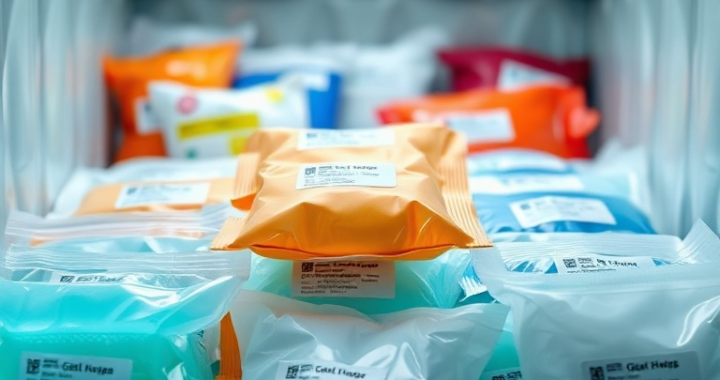
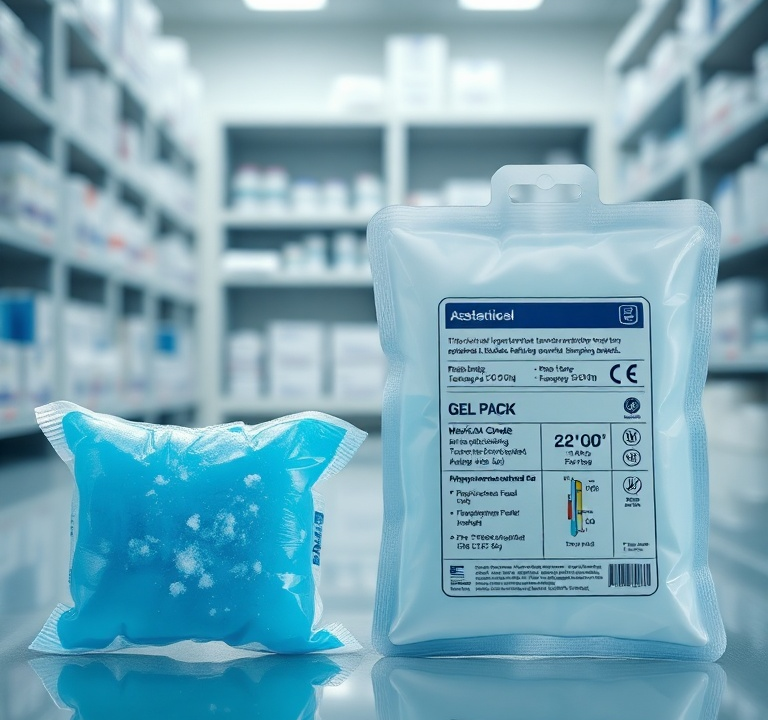
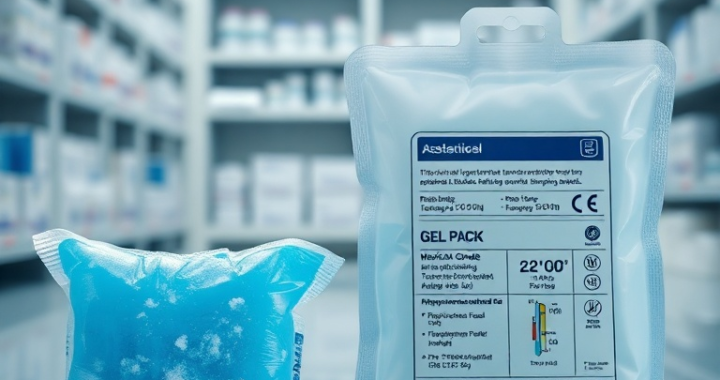
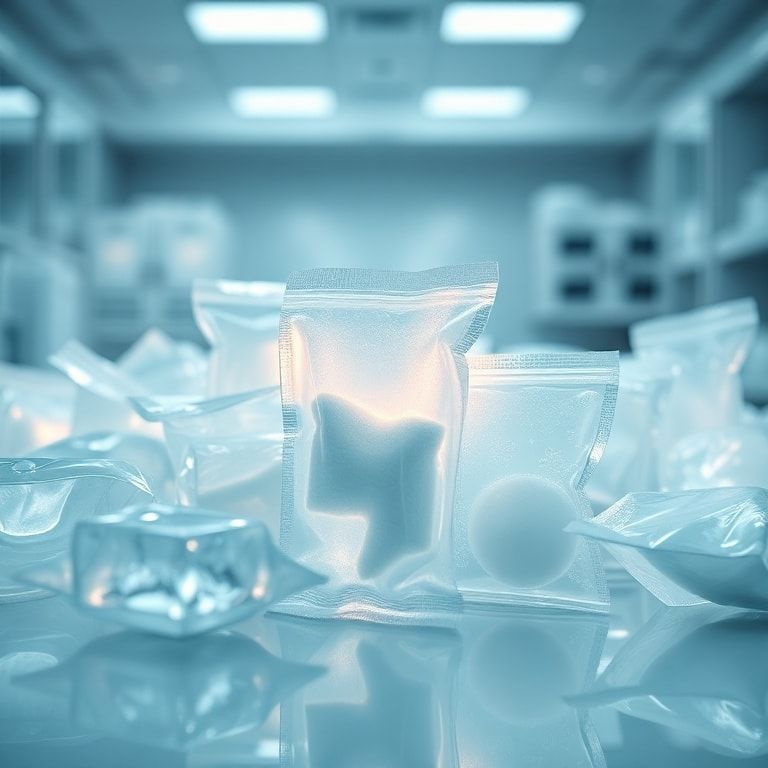
When we talk about advanced medical gel packs, we’re not referring to the basic ice packs you might use for a picnic. These are sophisticated tools engineered for specific thermal performance. They utilize specialized materials and designs to achieve and maintain precise temperature ranges for extended periods, far outperforming conventional ice or dry ice which can often lead to freezing or extreme cold excursions that damage sensitive biologics.
At the core of these advanced gel packs are Phase Change Materials (PCMs). Unlike water, which freezes at 0°C, PCMs are formulated to freeze and melt at specific, controlled temperatures, often tailored to pharmaceutical requirements. This property allows them to absorb and release large amounts of latent heat during their phase transition, effectively buffering the surrounding environment against temperature fluctuations. This scientific precision is what makes them indispensable.
The Science Behind Precision Temperature Control
The magic of PCMs lies in their ability to maintain a stable temperature plateau. As a PCM transitions from solid to liquid (or vice-versa), it absorbs or releases energy without changing its own temperature. For example, a PCM designed for 2-8°C applications might have a freezing point of 5°C. As the surrounding temperature rises above 5°C, the PCM will absorb heat and begin to melt, holding the temperature around 5°C until it has completely transitioned to liquid. This continuous thermal buffering is a hallmark of precision cooling.
This capability to maintain narrow temperature ranges, such as 2-8°C (refrigerated), 15-25°C (controlled room temperature), or even ultra-cold conditions, is crucial for preserving the complex molecular structures of many modern drugs. Biologics, for instance, which include vaccines, antibodies, and gene therapies, are particularly susceptible to denaturation or aggregation if exposed to temperatures outside their specified range. The precise thermal performance of these gel packs directly translates to preserving the drug’s intended therapeutic effect.
The selection of the right PCM involves careful consideration of the medication’s specific temperature profile, the duration of transport, and ambient conditions. Engineers work with pharmaceutical companies to design custom solutions, validating their performance through rigorous testing protocols. This meticulous approach ensures that the chosen cooling solution delivers the exact thermal environment required, offering unparalleled precision in protection.
Applications Across the Pharmaceutical Landscape: Where Precision Shines
The utility of advanced medical gel packs extends throughout the entire pharmaceutical supply chain. From the moment a drug is manufactured until it reaches the end-user, these cooling solutions play a vital role. In pharmaceutical manufacturing facilities, they are used to maintain specific temperatures during various processing stages and for short-term storage before distribution. This initial level of control sets the stage for flawless product integrity.
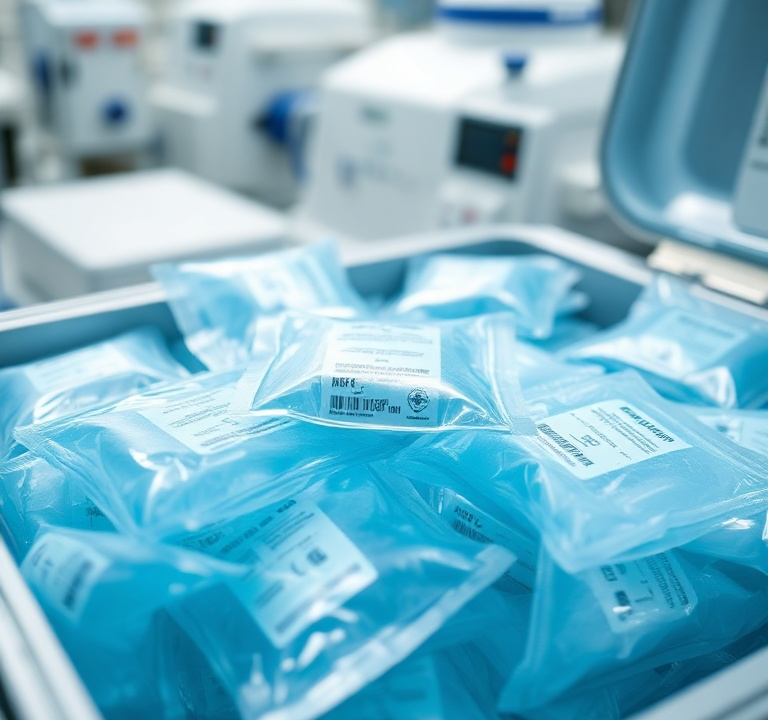
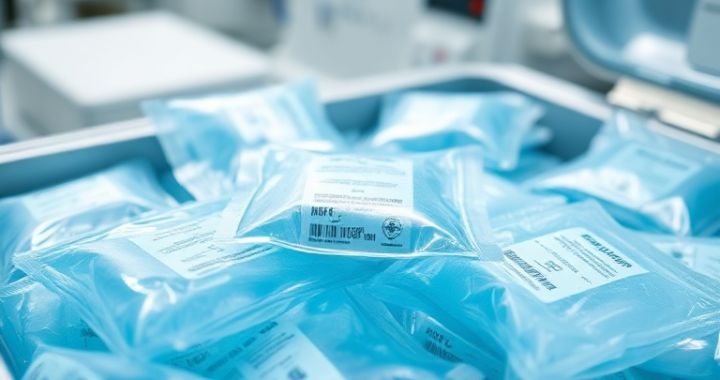
During transportation, especially for global logistics or last-mile delivery, these gel packs are indispensable. They are integrated into insulated shipping containers, ensuring that medications remain within their optimal temperature range despite external heat or cold. This is particularly crucial for international shipments that may experience diverse climates and extended transit times. The reliability of these packs provides peace of mind, knowing that the journey won’t compromise the drug’s effectiveness.
Clinical trials and research also heavily rely on precision cooling. Investigational new drugs, often in their early and most sensitive stages, require stringent temperature control to ensure the validity of trial data. Any temperature excursion could invalidate study results, delaying life-saving treatments. Furthermore, for patients who self-administer medications like insulin or certain injectables, smaller, reusable gel packs enable safe storage and transport for personal use, empowering patients with greater mobility and independence.
Beyond Temperature: The Broader Impact of Precision Cooling
The benefits of advanced medical gel packs extend beyond just maintaining temperature. They contribute significantly to minimizing waste and reducing costs associated with spoilage. By preventing temperature excursions, pharmaceutical companies can drastically cut down on discarded products, which translates into substantial financial savings. This efficiency is a direct result of the inherent precision in their design and function.
Ensuring patient safety and trust is perhaps the most profound impact. When patients receive medications that have been kept at their optimal temperature, they can be confident in their efficacy and safety. This fosters trust in healthcare providers and pharmaceutical manufacturers alike. The peace of mind that comes from knowing a medication is fully potent and safe is invaluable. This commitment to patient well-being is intrinsically linked to the meticulous application of precision cooling.
Regulatory compliance is another major area where these gel packs make a difference. Adhering to strict guidelines from bodies like the FDA, EMA, and WHO is non-negotiable for pharmaceutical companies. Advanced gel packs provide a reliable method to meet these stringent requirements, helping companies avoid costly penalties and maintaining their license to operate. The meticulous documentation and validation processes associated with these cooling solutions further bolster compliance efforts, creating a robust system built on precision.
Choosing the Right Precision Cooling Solution
Selecting the appropriate advanced medical gel pack solution requires careful consideration of several factors. The first is the required temperature range and the allowable excursion limits for the specific medication. Next, the duration of the transport or storage period is crucial, as longer durations necessitate more robust and longer-lasting cooling solutions. Ambient temperature profiles along the shipping route also play a significant role in determining the thermal capacity needed.
The volume and weight of the medication being transported will dictate the size and number of gel packs required, as well as the design of the insulated container. Customization is often key, with manufacturers offering tailored solutions that integrate gel packs into specific packaging designs to optimize thermal performance and shipping efficiency. Validation studies, involving real-world simulations and temperature mapping, are essential to confirm that the chosen solution consistently meets the required precision.
For example, a vaccine requiring a 2-8°C range for 72 hours in a tropical climate will demand a different gel pack configuration than a medication needing 15-25°C for 24 hours in a temperate zone. Reputable suppliers of these advanced cooling solutions work closely with clients to understand their unique challenges and provide validated systems that offer unparalleled thermal protection. The FDA’s guidance documents on pharmaceutical stability provide further insights into these complex requirements, highlighting the industry’s commitment to precision.
The Future of Precision Cooling
The field of precision cooling is continuously evolving. Innovations are emerging, such as smart packaging integrated with IoT sensors that can monitor temperature in real-time and transmit data wirelessly. This allows for proactive intervention if a temperature excursion is detected, further enhancing the reliability of the cold chain. Imagine a system that not only maintains temperature but also alerts you if there’s a problem before it impacts the medication.
Research into even more advanced Phase Change Materials is ongoing, aiming to develop PCMs with broader temperature ranges, higher latent heat capacities, and improved reusability. Sustainability is also a growing focus, with efforts to create more environmentally friendly and recyclable gel pack components. As the pharmaceutical landscape becomes more complex and the demand for sensitive medications grows, the role of advanced precision cooling solutions will only become more prominent and sophisticated.
These advancements promise to make the cold chain even more robust, efficient, and transparent, ultimately benefiting patients worldwide. The drive for innovation in this sector is fueled by the unwavering commitment to ensuring that every dose of medication delivered is as safe and effective as intended.
Conclusion: Precision – The Unsung Hero of Medication Integrity
The journey of sensitive medications from laboratory to patient is fraught with potential challenges, none more critical than maintaining their precise temperature. Advanced medical gel packs, with their sophisticated Phase Change Material technology, stand as the frontline defense against thermal degradation. They embody the essence of precision, providing stable, controlled environments that safeguard the efficacy, safety, and integrity of vital pharmaceutical products.
These unsung heroes of the cold chain ensure that vaccines remain potent, biologics retain their therapeutic power, and life-saving drugs reach those who need them in perfect condition. Their meticulous design and scientifically validated performance are crucial for regulatory compliance, cost reduction, and, most importantly, instilling unwavering confidence in patients and healthcare providers. As medicine continues to advance, the demand for such precise and reliable cooling solutions will only intensify, solidifying their indispensable role.
To learn more about how advanced cooling solutions can protect your most sensitive medications and ensure flawless results, consult with our experts today. Discover the difference that true precision can make in your pharmaceutical cold chain management.