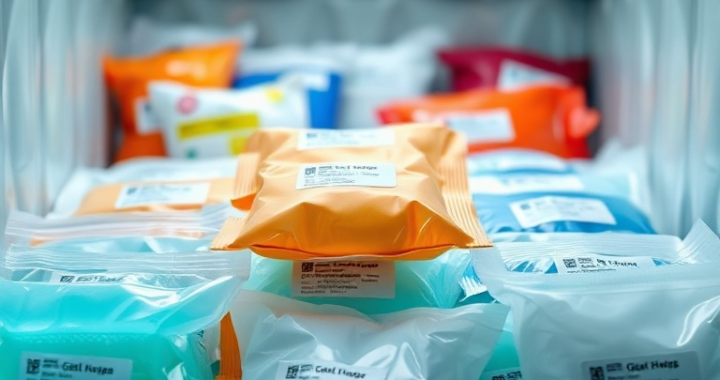

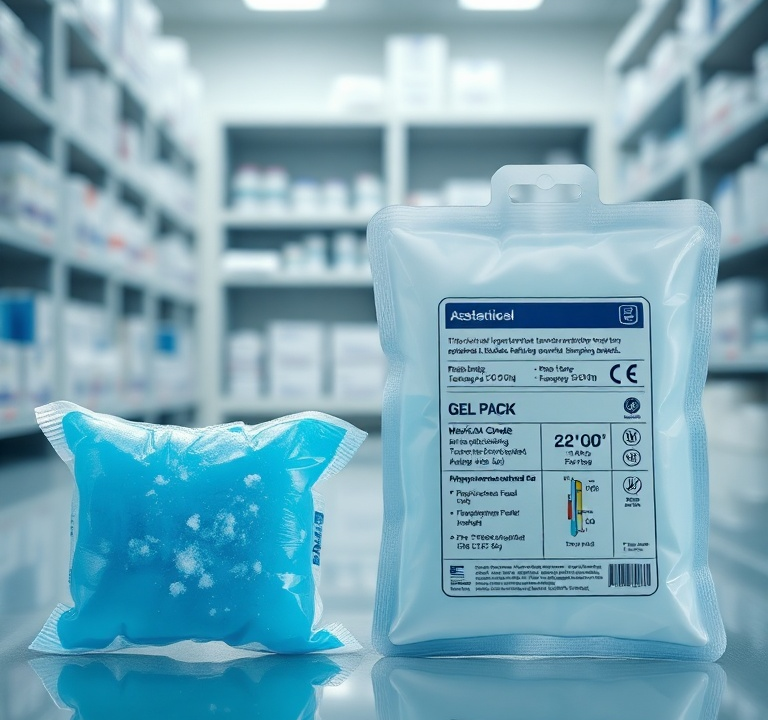
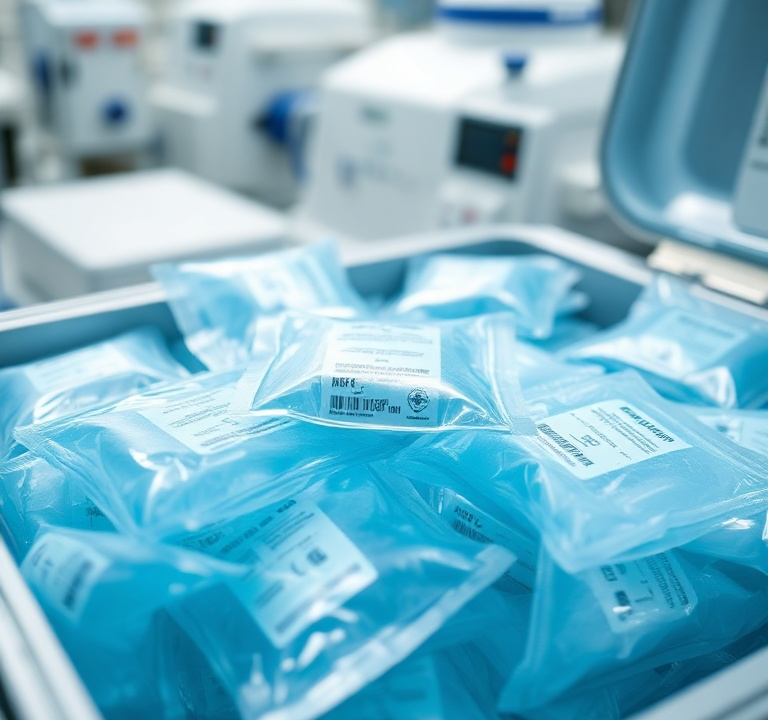


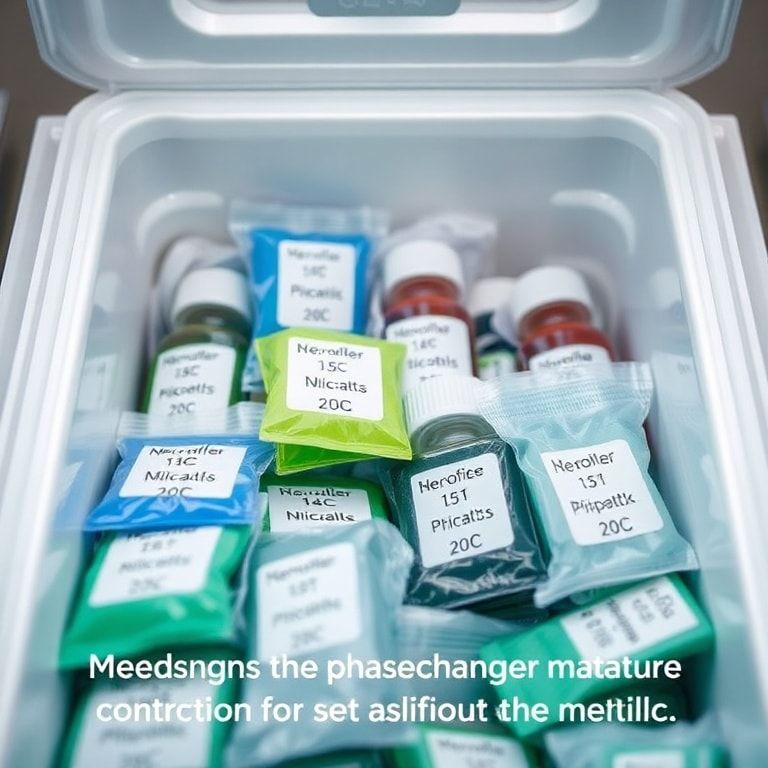
In our everyday lives, the concept of “cold” often conjures images of frosty beverages, winter mornings, or perhaps a soothing ice pack for a minor sprain. We rarely stop to consider the nuances of temperature. However, in the realm of healthcare, this casual understanding simply won’t do. When it comes to preserving life-saving medications, vaccines, and biological samples, the phrase “Not All Cold” takes on a profound and critical meaning. The difference between a standard freezer pack and a medical-grade ice pack isn’t just a matter of branding; it’s a critical factor in drug efficacy, patient safety, and the integrity of the entire medical cold chain.
The stakes are incredibly high. Improper temperature control can render expensive, vital pharmaceuticals inert, or worse, turn them into harmful substances. Understanding why **Not All Cold** is created equal is paramount for healthcare providers, pharmaceutical companies, and ultimately, for every patient who relies on these sensitive products.
Why Not All Cold Is Created Equal in Healthcare
The human body is an intricate system, and many of the compounds designed to heal it are equally complex and delicate. Pharmaceuticals, vaccines, and biologicals (like blood products or tissue samples) are often thermolabile, meaning they are sensitive to temperature fluctuations. Exposing them to temperatures outside their specified range can initiate chemical degradation, alter their molecular structure, or reduce their potency.
Imagine a vaccine designed to protect against a deadly virus. If it’s exposed to freezing temperatures, its active components might crystallize and become ineffective. Conversely, if it gets too warm, the proteins could denature, rendering the vaccine useless. In both scenarios, the patient receives a product that offers no protection, leading to potential illness or even death. This is why the precise nature of the “cold” applied is so vital; **Not All Cold** delivers the consistent stability required.
The Hidden Risks When Not All Cold Is Monitored
The dangers associated with inadequate temperature management extend far beyond just losing drug potency. There are significant financial implications, as spoiled products lead to massive waste for pharmaceutical companies and healthcare systems. More importantly, there are ethical and medical ramifications. Administering an ineffective drug can delay proper treatment, leading to disease progression or the need for more aggressive, costly interventions.
In some cases, degraded drugs can even become toxic. For instance, certain antibiotics can break down into harmful compounds if not stored correctly. This underscores the critical importance of a reliable cold chain, where every link, from manufacturing to patient administration, adheres to stringent temperature guidelines. The casual application of cold, where **Not All Cold** is properly controlled, introduces unacceptable risks.
The Science Behind Medical-Grade Solutions: Not All Cold Packs Are the Same
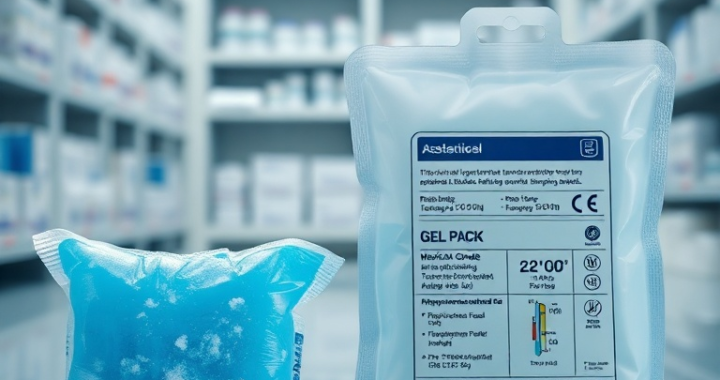
Standard consumer ice packs, often filled with water or gel, are designed for general cooling. They typically freeze solid and then thaw, undergoing significant temperature swings. While perfectly adequate for a picnic cooler or a sports injury, this inconsistent temperature profile is disastrous for sensitive medical products. This is precisely where medical-grade ice packs differentiate themselves, proving that **Not All Cold** sources offer the necessary precision.
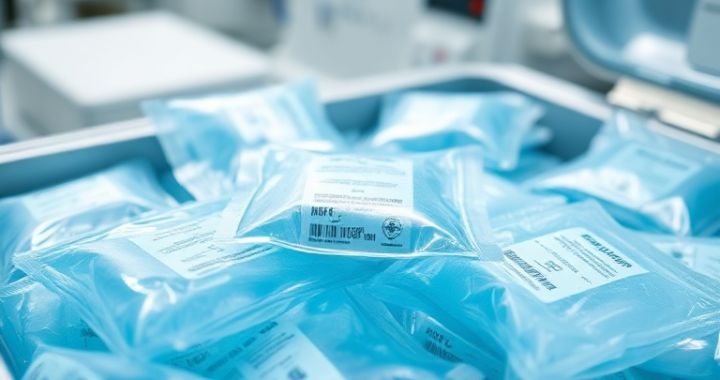
Medical-grade ice packs are engineered with specific scientific principles in mind. They are designed to maintain a precise, narrow temperature range for extended periods, often referred to as “phase change materials” (PCMs). These materials absorb and release latent heat as they change phase (from solid to liquid or vice versa) at specific temperatures, ensuring a stable environment.
Precision Cooling: Understanding Why Not All Cold Is Effective
The key to medical-grade ice packs lies in their ability to undergo a phase change at a predetermined temperature, usually within the critical 2-8°C range for refrigerated products or -15 to -25°C for frozen ones. Unlike water, which freezes at 0°C and then gradually warms up, a PCM will absorb a large amount of heat energy to melt at, say, 5°C, holding that temperature until all the material has changed phase. This creates a thermal buffer, protecting the contents from extreme fluctuations.
This level of precision is non-negotiable for many modern medications. Insulin, for example, must be kept refrigerated but not frozen. Freezing insulin can damage its protein structure, making it ineffective. Similarly, many vaccines are highly sensitive to freezing. Medical-grade ice packs are engineered to prevent these damaging excursions, ensuring that **Not All Cold** impacts the product negatively.
Beyond PCMs, medical-grade solutions also consider the insulation of the packaging itself. High-quality insulated containers, combined with the right number and type of PCMs, create a micro-environment where the temperature remains stable, irrespective of external conditions, for the duration of transit or storage. This comprehensive approach is what truly sets medical-grade cold chain solutions apart from everyday cooling methods.
The engineering involved in these cold chain solutions is often overlooked but is absolutely vital. It’s not just about making something cold; it’s about making it *precisely* cold and *consistently* cold. This requires rigorous testing and validation, often against challenging environmental conditions, to ensure reliability. Without this scientific backing, the effectiveness of sensitive medical products would be constantly at risk.
Ensuring Patient Safety: When Not All Cold Can Be Trusted
The implications of unreliable cold chain management directly impact patient safety. When a patient receives a medication that has been compromised by improper temperature, they are not only deprived of the intended therapeutic effect but may also experience adverse reactions or delayed treatment. This can be particularly dangerous for individuals with chronic conditions or those requiring immediate life-saving interventions.
Consider the transport of organs for transplantation. These precious biological assets have a very limited viable window, and maintaining their optimal temperature is absolutely critical. Any deviation can lead to organ damage, making it unsuitable for transplantation and potentially costing a life. In such high-stakes scenarios, relying on anything less than validated, medical-grade cold chain solutions is simply not an option. This is a clear case where **Not All Cold** offers the same life-saving assurance.
Applications and Benefits Across Healthcare
Medical-grade ice packs and their accompanying insulated containers are indispensable across numerous healthcare applications:
- Vaccine Transport: From manufacturers to clinics, vaccines must maintain their integrity. The World Health Organization (WHO) provides stringent guidelines for vaccine cold chain management, highlighting the global importance of consistent temperatures.
- Clinical Trials: New drugs often have specific storage requirements. Maintaining these conditions ensures the validity of trial results and the safety of participants.
- Organ and Tissue Transport: As mentioned, precise temperature control is vital for preserving the viability of organs for transplantation, ensuring they remain suitable for recipients.
- Home Healthcare & Specialty Pharmacy: Patients receiving expensive, temperature-sensitive medications at home (e.g., certain biologics for autoimmune diseases) rely on these solutions for safe delivery and often for personal storage.
- Diagnostic Samples: Blood, urine, and tissue samples collected for diagnostic testing often require specific temperature ranges to prevent degradation of biomarkers, ensuring accurate test results.
The benefits are multi-faceted: reduced product waste, enhanced patient trust, compliance with regulatory standards, and ultimately, improved health outcomes. By investing in and correctly utilizing medical-grade cold chain solutions, healthcare providers reinforce their commitment to quality and safety, recognizing that **Not All Cold** serves the same purpose.
Regulatory Compliance and Standards for Cold Chain
The pharmaceutical industry is heavily regulated, and cold chain management is no exception. Agencies like the U.S. Food and Drug Administration (FDA) and organizations like the United States Pharmacopeia (USP) set rigorous standards for the storage and transport of temperature-sensitive medical products. These regulations often specify acceptable temperature ranges, monitoring requirements, and validation processes for cold chain equipment.
Adherence to these standards is not optional; it’s a legal and ethical imperative. Companies that fail to comply face severe penalties, including fines, product recalls, and damage to their reputation. More importantly, non-compliance puts patients at risk. Medical-grade ice packs and validated cold chain packaging solutions are designed to help organizations meet and exceed these critical regulatory requirements, reinforcing the understanding that **Not All Cold** is created equal in the eyes of the law and patient safety.
For example, the USP General Chapter “Good Storage and Shipping Practices” provides detailed guidance on maintaining the quality of drug products during storage and distribution. This includes specifications for temperature monitoring devices, packaging, and qualification of transport systems. This external authoritative source highlights the industry’s commitment to ensuring product integrity.
Conclusion: Not All Cold, But the Right Cold for Health
The journey of a medication, from its manufacturing plant to a patient’s bedside, is a complex one, fraught with potential pitfalls. Among the most critical challenges is maintaining its integrity through precise temperature control. The seemingly simple concept of “cold” transforms into a sophisticated science when applied to healthcare. Understanding that **Not All Cold** is suitable for medical applications is not merely an interesting fact; it’s a fundamental principle that underpins drug efficacy and patient safety.
Medical-grade ice packs, with their advanced phase change materials and robust engineering, are silent guardians in this process. They ensure that sensitive pharmaceuticals, vaccines, and biologicals remain stable, potent, and safe, exactly as intended by their creators. For healthcare professionals, pharmaceutical companies, and anyone involved in the cold chain, recognizing the critical distinction between everyday cold and medical-grade cold is essential.
By prioritizing validated cold chain solutions, we protect invaluable medical resources and, most importantly, safeguard the health and well-being of patients worldwide. Don’t leave drug efficacy and patient safety to chance. **Learn more about medical-grade cold chain solutions and ensure your products are protected by the right kind of cold.**