


From the refreshing chill of a winter morning to the comforting coolness of an ice pack on a bruise, our bodies constantly react to and interpret temperature. We often take ‘cold’ for granted, a simple state of being. However, when it comes to the complex world of medicine, the term “cold” takes on a far more critical and nuanced meaning. What your body is truly telling you through its need for effective medication hinges on a scientific truth: Not All Cold is the same, especially when it comes to preserving vital pharmaceuticals.
Imagine your body struggling with an illness, desperately needing a specific medication to regain health. You trust that the drug you receive is potent, safe, and ready to work as intended. This trust is fundamentally built upon an invisible, yet incredibly robust, system: the pharmaceutical cold chain. This isn’t just about keeping things ‘chilly’; it’s about maintaining precise temperature ranges that are non-negotiable for drug integrity. The distinction between a standard freezer pack and a pharmaceutical-grade ice pack might seem trivial, but it can literally be the difference between life-saving efficacy and dangerous inertness. Understanding this critical difference is essential for anyone who relies on modern medicine, highlighting why Not All Cold is created equal.
The Nuances of Temperature: Why Not All Cold is Equal
Our daily lives expose us to various forms of cold. We use ice cubes in drinks, store food in refrigerators, or apply a bag of frozen peas to a minor injury. These applications of cold are generally effective for their intended purposes, offering a broad range of cooling without extreme precision. However, when we talk about biological materials and complex chemical compounds, such as those found in pharmaceuticals, the margin for error shrinks dramatically. The very structure and function of these drugs are exquisitely sensitive to temperature fluctuations.
Consider the human body itself. It maintains a remarkably stable core temperature, reacting adversely to even slight deviations. Similarly, many medications are designed to exist within a very specific thermal window. Exposing them to temperatures outside this range, whether too warm or too cold (freezing), can initiate irreversible degradation processes. This is where the concept of “Not All Cold” truly comes into focus, demanding a level of control far beyond what a household freezer can provide.
Beyond the Freezer: Understanding Pharmaceutical Cold Chains
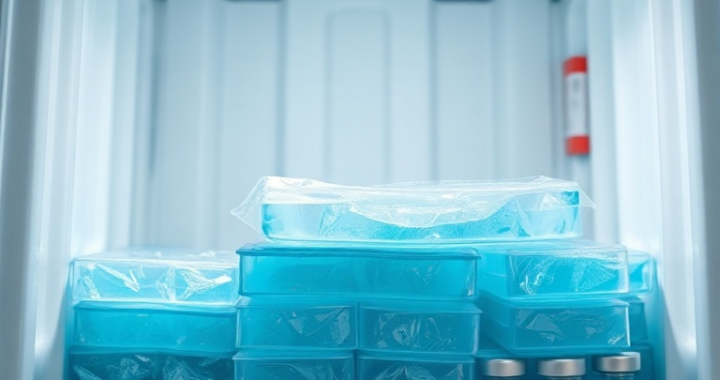
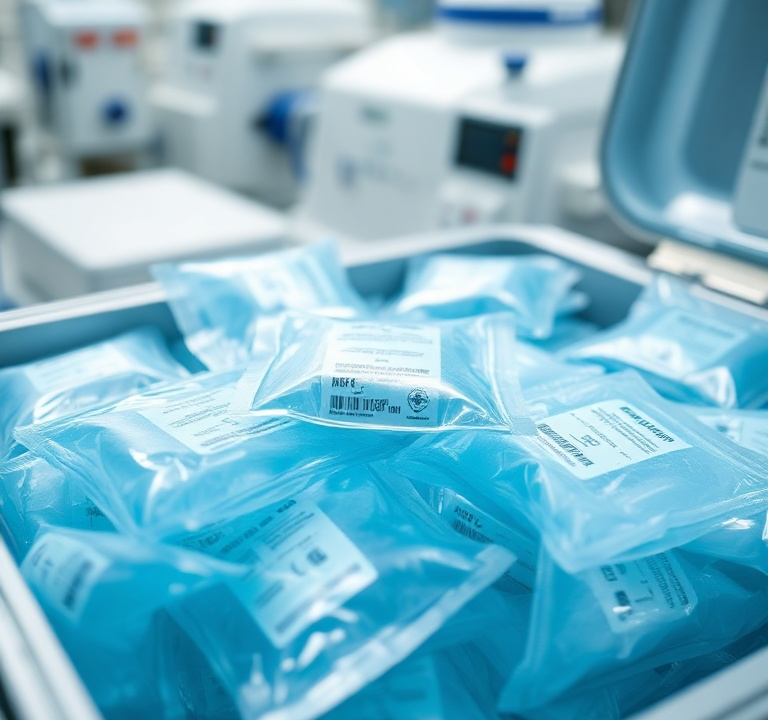
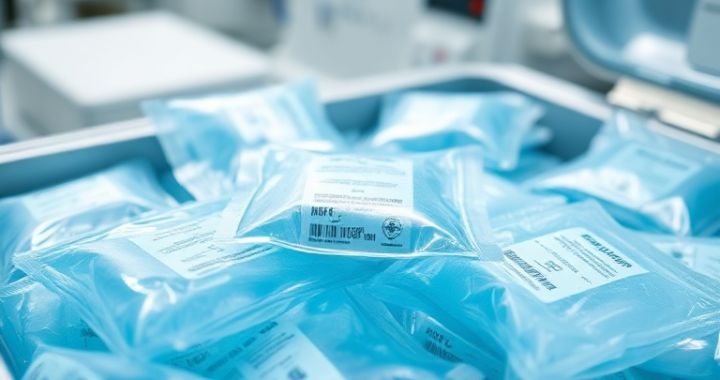
A pharmaceutical cold chain is a temperature-controlled supply chain. It encompasses all the means required to maintain a product within a specified temperature range from the point of manufacture to the point of administration. This complex network includes specialized packaging, refrigerated transport, temperature-monitored storage facilities, and, critically, pharmaceutical-grade ice packs. Without this unbroken chain, the efficacy and safety of countless drugs, from vaccines to insulin, would be severely compromised.
The stakes are incredibly high. A breach in the cold chain for a vaccine, for instance, could render it ineffective, leading to a failure of immunization and continued vulnerability to disease. For biologics, which are often protein-based, temperature excursions can cause denaturation, where the protein unravels and loses its therapeutic function. This highlights a crucial point: relying on generic cooling methods means that Not All Cold is suitable for these sensitive products. Precision is paramount.
The Hidden Dangers: When “Just Cold Enough” Isn’t Enough
The danger of improper cold storage isn’t always immediately apparent. A medication that has been exposed to incorrect temperatures might look perfectly normal on the outside. However, internally, its molecular structure could have changed, leading to a loss of potency, the formation of harmful byproducts, or a complete inactivation of the active ingredient. This silent degradation poses a significant risk to patient health, as individuals may receive a drug they believe is effective, but which offers no therapeutic benefit or, worse, causes adverse reactions.
The financial implications are also staggering. The pharmaceutical industry invests billions in research, development, and manufacturing. If these valuable products are compromised during transit or storage due to inadequate cooling, the economic losses from discarded batches are immense. More importantly, the impact on public health initiatives, especially in global distribution of critical medicines, can be devastating. This underscores why simply being ‘cold’ is insufficient; Not All Cold provides the necessary protection.
The Science Behind Stability: Why Precision Matters
Pharmaceutical products often come with strict storage instructions, such as “store between 2°C and 8°C” or “do not freeze.” These narrow temperature windows are not arbitrary; they are determined through extensive stability testing that maps how the drug degrades under various thermal conditions. Maintaining these precise temperatures requires more than just a low temperature; it demands controlled, consistent cooling.
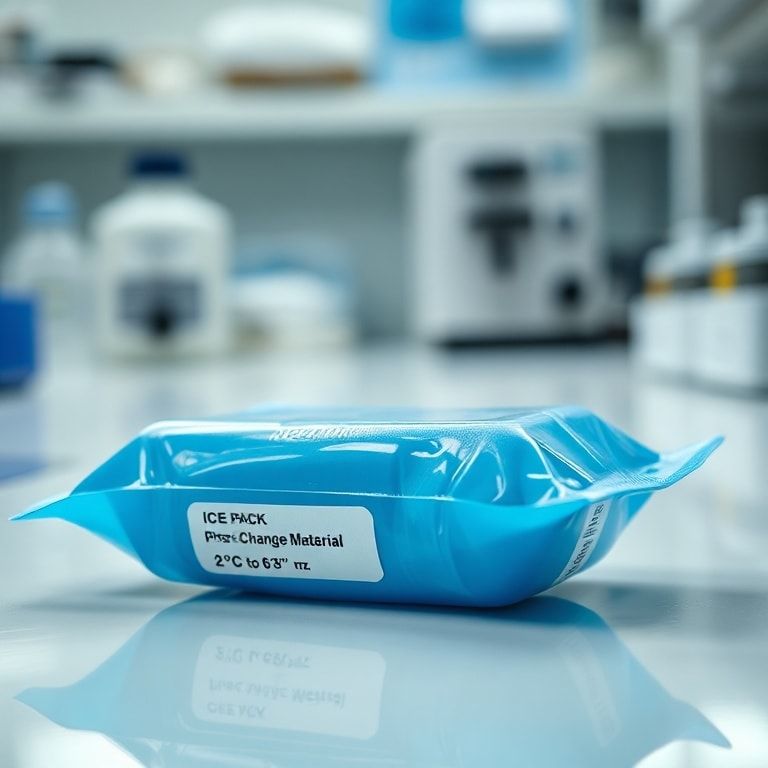
This is where the science of phase change materials (PCMs) comes into play. Unlike water-based ice packs, which freeze at 0°C and melt at 0°C (often leading to sub-zero temperatures that can damage freeze-sensitive drugs), pharmaceutical-grade PCMs are engineered to freeze and melt at specific, non-zero temperatures. For example, a PCM might be formulated to maintain a consistent 5°C throughout its phase change, perfectly aligning with the 2-8°C range required for many biologics. This technological advancement ensures that Not All Cold risks damaging medications through freezing or thawing excursions.
Pharmaceutical-Grade Ice Packs: A Shield Against Degradation
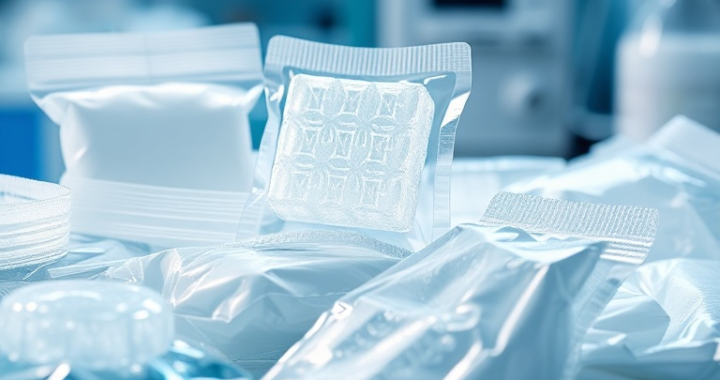
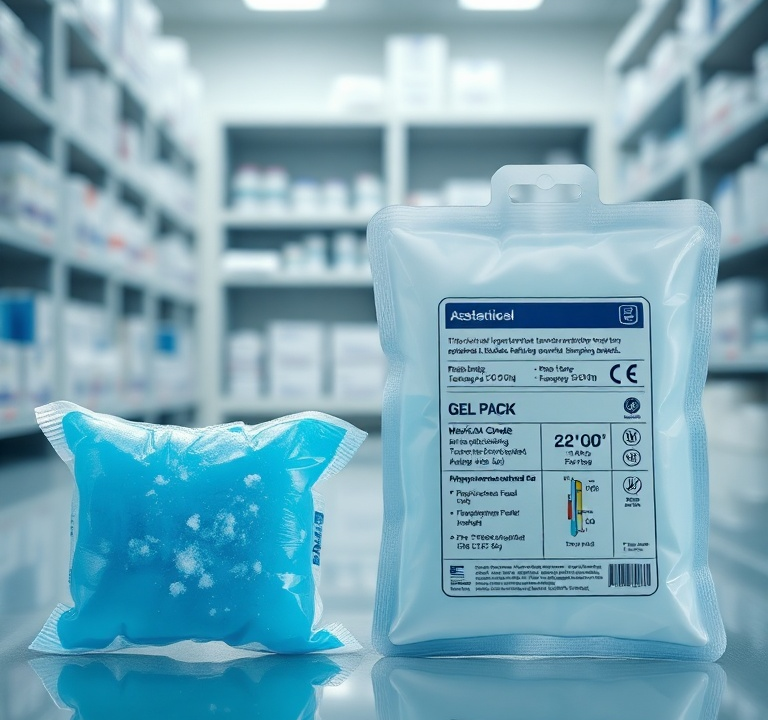
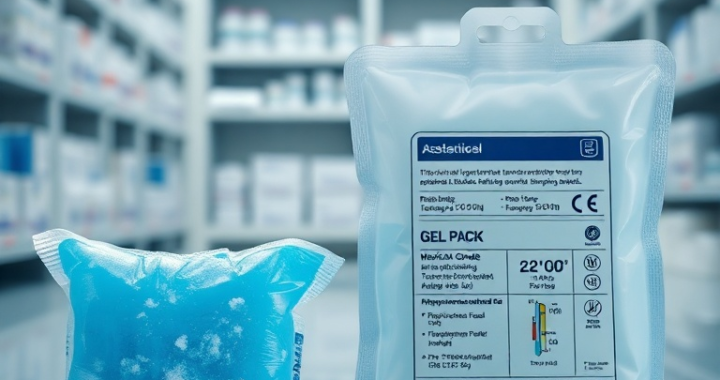
Pharmaceutical-grade ice packs are a cornerstone of effective cold chain management. They are fundamentally different from the standard gel packs or bags of ice found in supermarkets. These specialized packs are designed and validated to provide precise temperature control for extended periods, mitigating the risks of both overheating and freezing. Their reliability is critical in ensuring drug safety and efficacy from the manufacturing plant to the patient.
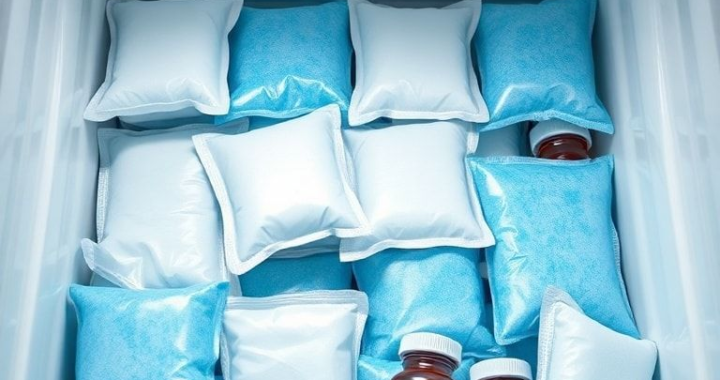
Key features of these advanced cooling solutions include specific freezing/melting points, non-toxic formulations, durable construction to withstand rigorous transport, and, most importantly, documented thermal performance. They are not simply ‘cold’ objects; they are engineered thermal buffers. This engineering ensures that the sensitive contents they protect remain within their specified temperature range, even when external conditions fluctuate. When it comes to safeguarding life-saving drugs, it’s clear that Not All Cold provides the consistent, controlled environment necessary.
The Validation Process: Ensuring Every Degree Counts
The journey of a pharmaceutical-grade ice pack from concept to deployment involves rigorous validation. Manufacturers must demonstrate through extensive testing that their products can maintain the required temperature profiles under various simulated shipping conditions, including extreme ambient temperatures and extended transit times. This process involves thermal mapping, stress testing, and adherence to strict regulatory guidelines from bodies like the FDA and WHO.
This meticulous validation ensures that when a pharmaceutical company chooses a specific ice pack, they can trust its performance implicitly. Every degree, every hour, is accounted for. This level of scrutiny is what differentiates these specialized products from generic cooling solutions, reinforcing the understanding that Not All Cold is capable of meeting the stringent demands of drug preservation. It’s a testament to the commitment to patient safety and product integrity.
The Broader Impact: Securing Global Health with Reliable Cold
The importance of pharmaceutical-grade ice packs extends far beyond individual drug shipments. They play a pivotal role in global health initiatives, enabling the safe distribution of vaccines to remote corners of the world and ensuring that life-saving medications reach populations in need, regardless of infrastructure challenges. During global health crises, such as pandemics, the ability to transport temperature-sensitive vaccines efficiently and reliably becomes a critical factor in saving lives and controlling disease spread. This relies heavily on robust cold chain components.
Beyond emergency response, these sophisticated cooling solutions contribute to the overall sustainability of healthcare systems by minimizing waste. Preventing the spoilage of expensive and vital medications through reliable temperature control reduces financial burdens and ensures that resources are utilized effectively. This holistic view underscores that understanding and implementing appropriate cold chain solutions is not just a logistical detail, but a foundational element of public health and economic stability. It reinforces the simple yet profound truth that Not All Cold is suitable for such critical tasks.
In conclusion, while the sensation of cold might seem universal, its application in the pharmaceutical world is anything but. The distinction between generic cooling and pharmaceutical-grade temperature control is fundamental to ensuring the safety, efficacy, and stability of life-saving medications. What your body is truly telling you when you take a medication is that it needs that drug to work as intended, and that outcome is directly tied to the integrity of its cold chain. Not All Cold is created equal, and recognizing this difference is paramount for patients, healthcare providers, and anyone involved in the journey of medicine from manufacturer to patient. By investing in and understanding the science behind pharmaceutical-grade ice packs and robust cold chain logistics, we collectively safeguard health and ensure that every dose delivers on its promise. Ensure your medications are protected; always ask about the cold chain integrity of your sensitive pharmaceuticals.