




Title: Not All Cold Is What It Seems.
When you think of “cold,” a simple image might come to mind: ice cubes clinking in a drink, a frosty freezer, or a soothing ice pack on a bruise. However, in the vast world of medical applications, the concept of cold is anything but simple. In fact, when it comes to critical tasks like transporting life-saving vaccines versus providing comfort for a sprained ankle at home, it becomes abundantly clear that Not All Cold is created equal. Understanding these crucial distinctions is not just a matter of convenience; it’s a matter of efficacy, safety, and sometimes, even public health.
This comprehensive guide will delve into the nuanced world of medical gel packs, dissecting the precise requirements for high-stakes scenarios like vaccine cold chain management and contrasting them with the practical needs of everyday home care. We will explore the science behind different cold packs, the materials they use, and the specific temperature ranges they maintain. By the end, you’ll have a clear understanding of why choosing the right cold pack is paramount, and why thinking that “cold is just cold” can have significant consequences.
Understanding Why Not All Cold Is Equal
The human body is remarkably sensitive to temperature, and so are many medical substances. From delicate biological samples to pharmaceutical products, maintaining a stable temperature is often a non-negotiable requirement. The idea that Not All Cold offers the same therapeutic or preservative properties is fundamental to modern medicine and logistics.
Different applications demand different types of thermal control. A gel pack designed to keep your lunch cool for a few hours is vastly different from one engineered to maintain a vaccine at a precise temperature for several days across continents. These distinctions are rooted in scientific principles, material engineering, and stringent regulatory standards.
The Stakes of Temperature Control
In medical contexts, temperature control isn’t just about comfort; it’s about preserving integrity and preventing degradation. For vaccines, even slight deviations from their specified temperature range can render them ineffective, posing a serious risk to public health. This loss of potency means that individuals receiving the vaccine might not develop the necessary immunity, undermining vaccination efforts.
Conversely, for home care, while temperature control is important for therapeutic effect, the stakes are generally lower. An ice pack that thaws too quickly might be inconvenient, but it rarely leads to widespread public health implications. This fundamental difference in impact underscores why Not All Cold can be treated with the same level of casualness or precision.
The Rigors of Vaccine Cold Chain: Not All Cold Can Cope
The “cold chain” for vaccines is a sophisticated, globally coordinated system designed to store and transport vaccines within specific temperature ranges from the point of manufacture to the point of administration. This unbroken chain is vital because most vaccines are thermolabile, meaning they can lose their potency when exposed to temperatures outside their recommended range, whether too hot or too cold.
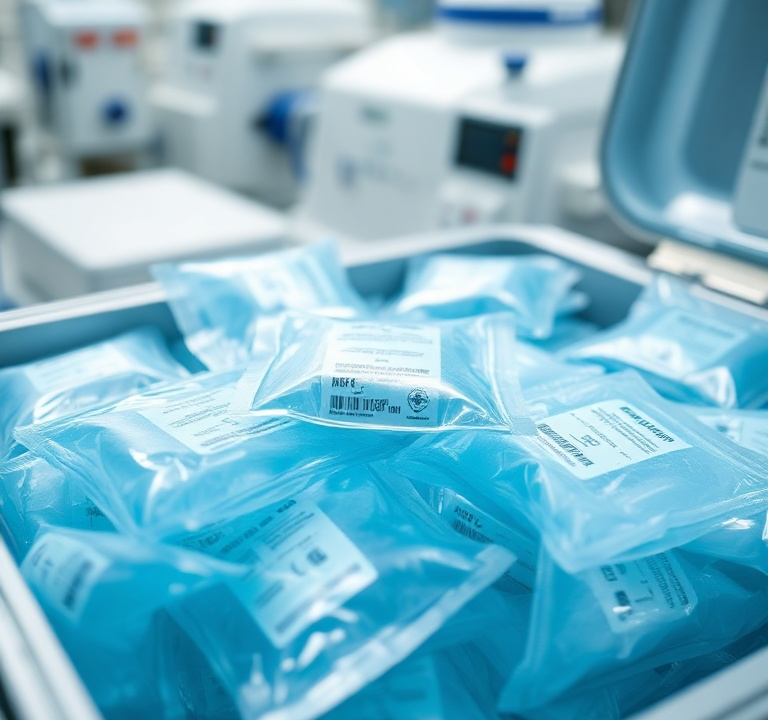
Maintaining this cold chain requires specialized equipment, meticulous planning, and highly reliable temperature-controlled solutions. The gel packs used in vaccine transport are a critical component of this system, and their design reflects the extreme demands placed upon them. They are engineered for precision, longevity, and consistency, acknowledging that Not All Cold can meet such rigorous standards.
Specialized Gel Packs for Vaccines
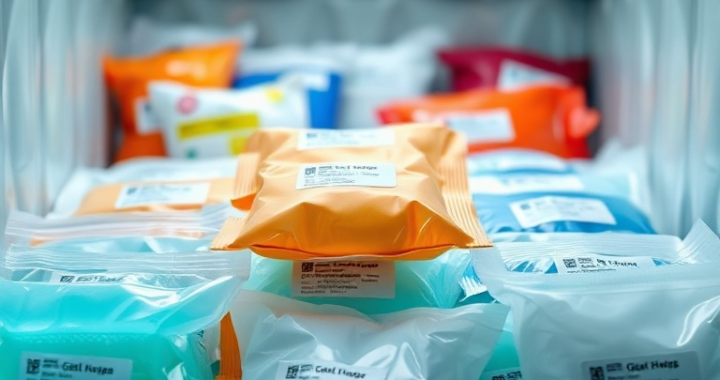
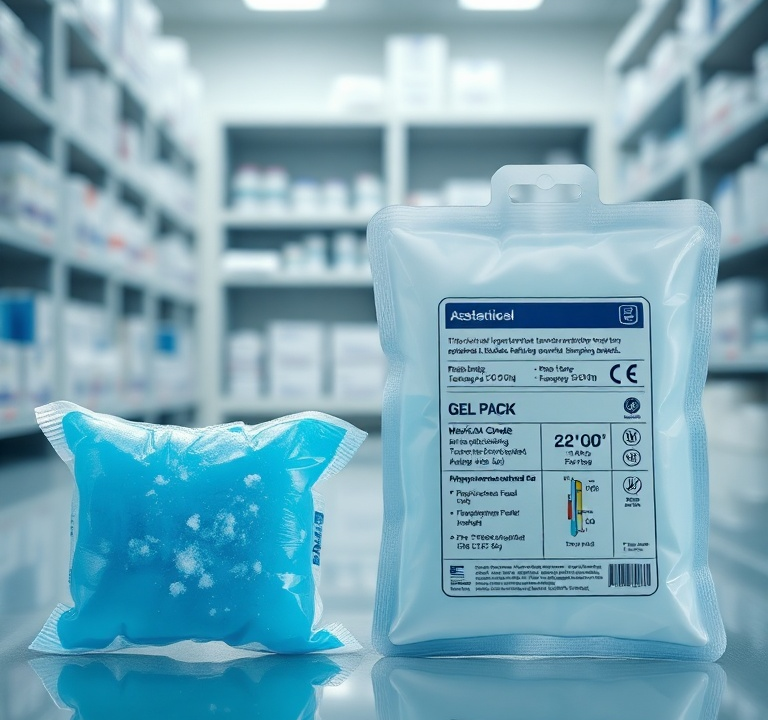
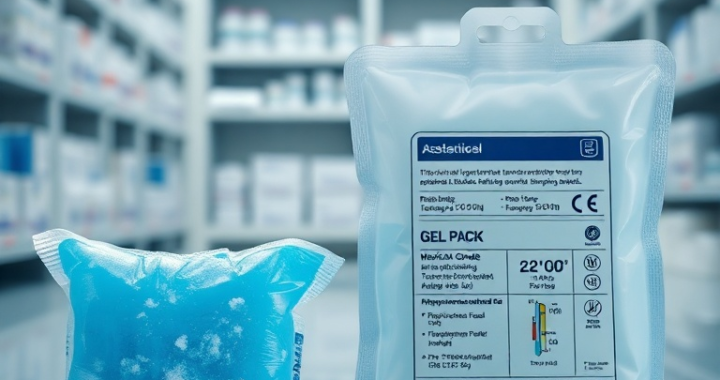
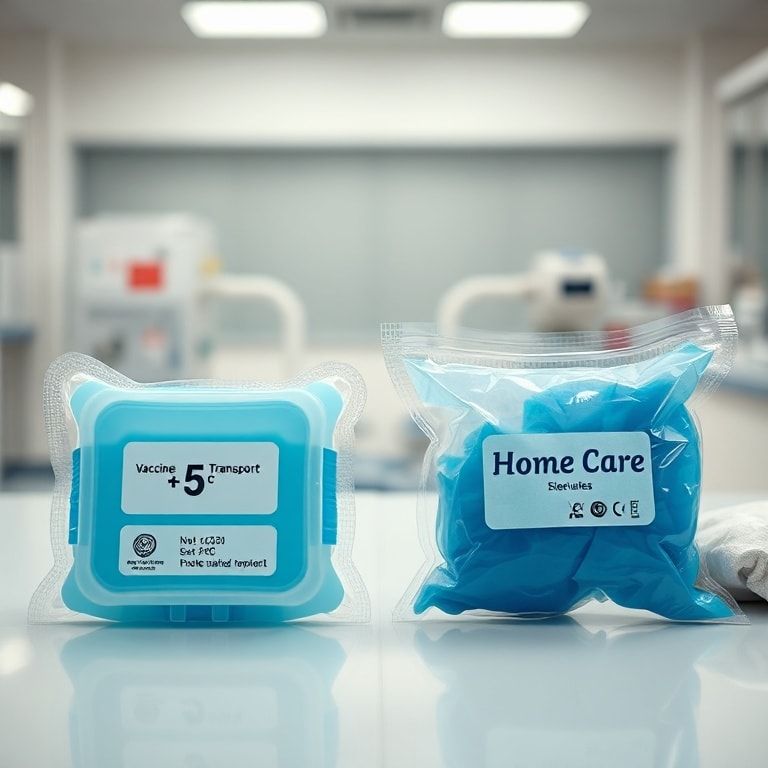
Vaccine gel packs are not merely bags of frozen water. They are often filled with phase change materials (PCMs) that freeze and thaw at specific, precise temperatures, such as +5°C (for refrigerated vaccines) or -20°C (for frozen vaccines). These PCMs absorb or release latent heat as they change phase, allowing them to maintain a constant temperature for extended periods, far longer than traditional ice.
These specialized packs are typically robust, designed to withstand repeated freezing and thawing cycles without degradation. They are also non-toxic and often encapsulated in durable, puncture-resistant materials. Organizations like the World Health Organization (WHO) provide strict guidelines and pre-qualifications for cold chain equipment, including gel packs, ensuring they meet the highest standards for vaccine safety and efficacy. This emphasis on precision demonstrates that Not All Cold offers the same level of reliability.
Home Care Needs: Not All Cold Requires Extreme Measures
In contrast to the stringent demands of vaccine transport, home care applications for cold therapy are generally more straightforward and forgiving. When you reach for an ice pack after a minor injury or to soothe a headache, your primary concerns are usually immediate relief and ease of use. The goal is localized cooling to reduce swelling, numb pain, and manage inflammation.
While effective cold therapy is still important, the precise temperature control and extended duration required for vaccines are typically unnecessary for home use. For these scenarios, the understanding that Not All Cold needs to be hyper-regulated becomes evident. Convenience, comfort, and reusability often take precedence.
Everyday Aches and Pains
For common ailments like sprains, strains, muscle soreness, headaches, or post-operative swelling, a readily available and easy-to-apply cold pack is usually sufficient. These packs provide topical cooling that helps constrict blood vessels, reducing blood flow to the injured area and thereby minimizing swelling and bruising. They also temporarily numb nerve endings, offering pain relief.
The temperature delivered by these packs is typically just below freezing or moderately cold, which is adequate for therapeutic effect without posing risks of frostbite when used correctly. The flexibility of the pack to conform to different body parts is also a key feature for comfort and efficacy in home settings.
Over-the-Counter Solutions
Most home care cold packs are readily available at pharmacies and supermarkets. They often contain a gel made from water, propylene glycol, and cellulose, which allows them to remain flexible even when frozen. Some are designed for single use, while many are reusable, able to be refrozen multiple times. These products are designed for practicality and affordability, reflecting the less critical nature of their application. This accessibility and simplicity are possible because, for home use, Not All Cold needs to be a high-tech, precision instrument.
Dissecting the Differences: Not All Cold Packs Are Built the Same
To truly appreciate why vaccine transport and home care require different cold packs, it’s essential to examine their fundamental differences across several key parameters. These distinctions highlight the gap between casual cooling and critical temperature management, reinforcing that Not All Cold serves the same purpose.
Understanding these variations empowers consumers and medical professionals alike to make informed choices. It moves beyond a superficial understanding of “cold” to a deeper appreciation of engineered thermal solutions.
Temperature Range and Stability
For vaccines, the temperature range is extremely narrow and strictly defined (e.g., +2°C to +8°C for most refrigerated vaccines, or below -15°C for frozen ones). The gel packs must maintain this range consistently for hours or even days, often in fluctuating ambient temperatures. This requires advanced phase change materials (PCMs) that undergo phase transitions at precise temperatures, ensuring stability.
Home care packs, on the other hand, aim for a broader “cold” range, typically around 0°C to +10°C, and their stability requirements are much less stringent. They are designed for short-term application, usually 15-20 minutes, and their contents primarily aim to get cold and stay cold enough for that duration. The critical difference here is the *precision* and *duration* of temperature maintenance; truly, Not All Cold offers this level of control.
Durability and Reusability
Vaccine transport gel packs are built for extreme durability. They must withstand repeated freezing and thawing cycles, potential impacts during transit, and exposure to various environmental conditions. Their outer casings are often made from heavy-duty plastics or composite materials, designed to prevent leaks and maintain integrity over many uses.
Home care packs prioritize flexibility and comfort. While many are reusable, their durability is generally lower, and they might degrade with extensive use. Their softer, more pliable outer materials are chosen for direct skin contact and conformity to body parts, rather than for rugged transport conditions. The robustness of the pack itself is another factor proving that Not All Cold solutions are designed for the same kind of physical stress.
Safety and Material Composition
Both types of gel packs are generally designed to be non-toxic. However, vaccine transport packs often contain specialized, laboratory-grade PCMs that are rigorously tested for safety and performance under specific medical guidelines. The focus is on preventing any contamination or interaction with sensitive medical products.
Home care packs typically use simpler, food-grade ingredients like water, non-toxic polymers, and sometimes dyes. While safe for external use, their composition isn’t designed for the same level of precise thermal regulation or interaction with delicate biologics. The internal chemistry and external materials used further differentiate these packs, highlighting that Not All Cold is formulated with the same critical components.
Navigating Your Options: Understanding That Not All Cold Serves Every Purpose
Making the right choice between different medical gel packs boils down to understanding the specific application and its requirements. For critical tasks like vaccine transport, there is no room for compromise; only specialized, rigorously tested solutions will suffice. For personal home care, practicality, comfort, and general effectiveness are key.
It’s important to remember that using a home care ice pack for vaccine transport could have disastrous consequences, leading to ineffective vaccines and potential health risks. Conversely, using an expensive, highly specialized vaccine gel pack for a minor bruise would be an unnecessary expense and overkill. This reinforces the core message: Not All Cold is interchangeable.
When to Consult a Professional
If you are involved in medical logistics, pharmaceutical storage, or any scenario requiring precise temperature control for sensitive biological materials, always consult with experts in cold chain management. Refer to guidelines from authoritative bodies such as the WHO, CDC, or national health agencies. These resources provide detailed specifications for appropriate temperature monitoring devices and phase change materials.
For personal use, if you have chronic pain, a severe injury, or are unsure about the best cold therapy method, consult a healthcare professional. They can offer guidance on the appropriate duration, frequency, and type of cold application, ensuring you use cold therapy safely and effectively for your specific needs. Understanding that Not All Cold is applied the same way is crucial for optimal outcomes.
Conclusion: The Nuance of Temperature Matters
The journey through the world of medical gel packs reveals a profound truth: Not All Cold is equal. From the life-saving precision required for vaccine transport to the comforting relief provided by a home ice pack, the underlying science, engineering, and regulatory standards vary dramatically. Recognizing these differences is not just academic; it has direct implications for public health, patient safety, and effective personal care.
We’ve seen how vaccine cold chain demands specialized phase change materials, extreme durability, and unwavering temperature stability, governed by international standards. In stark contrast, home care focuses on accessibility, flexibility, and general therapeutic cooling for everyday ailments. Each application has its unique set of requirements, demonstrating that a one-size-fits-all approach to cold therapy is simply inadequate.
Next time you encounter a medical gel pack, take a moment to consider its intended purpose. Is it safeguarding a precious vaccine, or is it easing a minor ache? Understanding this distinction empowers you to appreciate the intricate design behind these seemingly simple products and to make informed choices. Ensure you’re always using the right tool for the job – because when it comes to medical temperature control, the nuance of cold truly matters. **Make the smart choice for your specific cold therapy needs – research and select the appropriate medical gel pack today!**