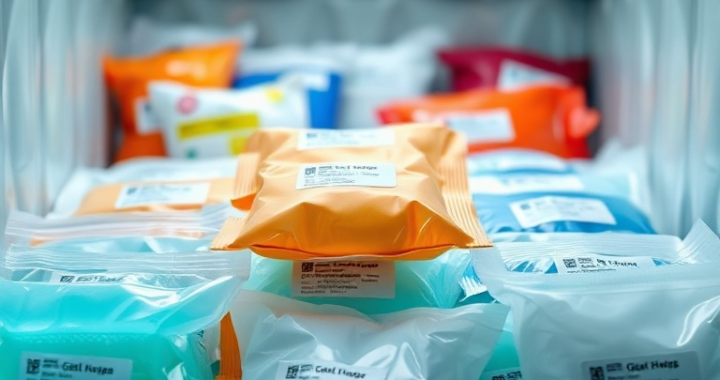

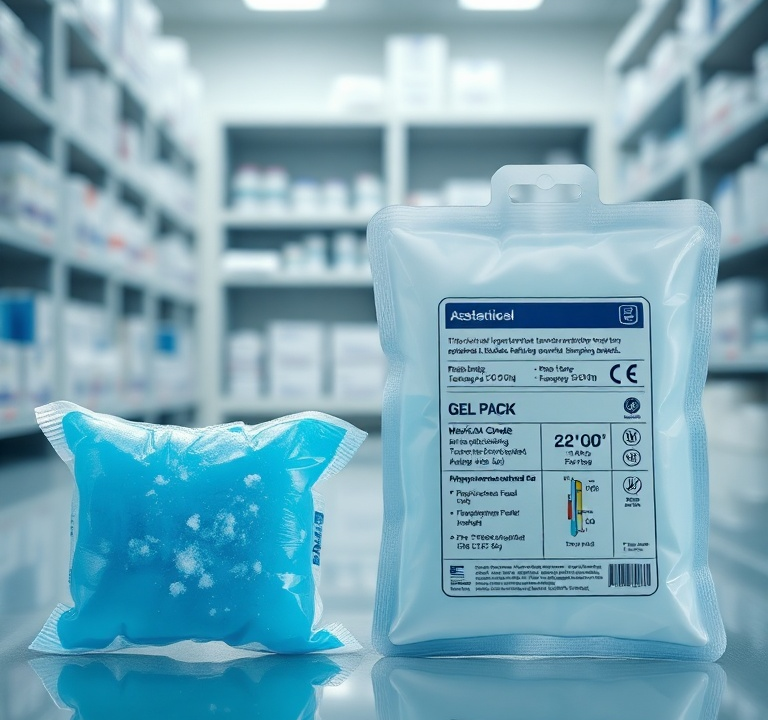
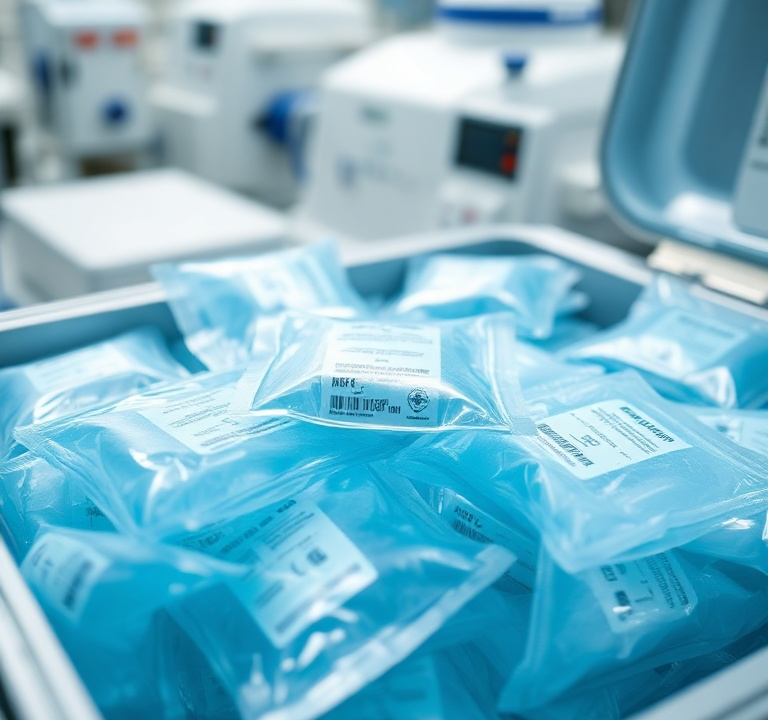



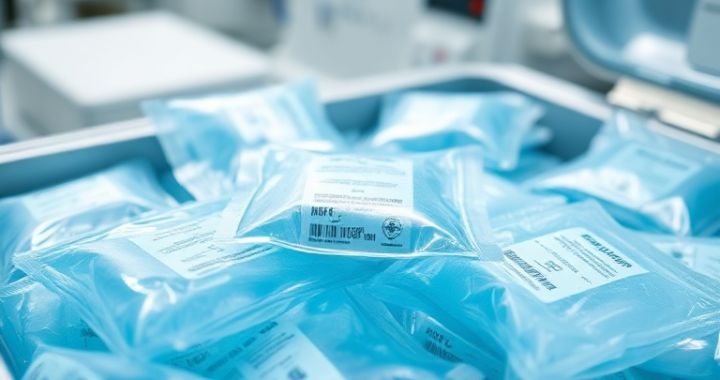


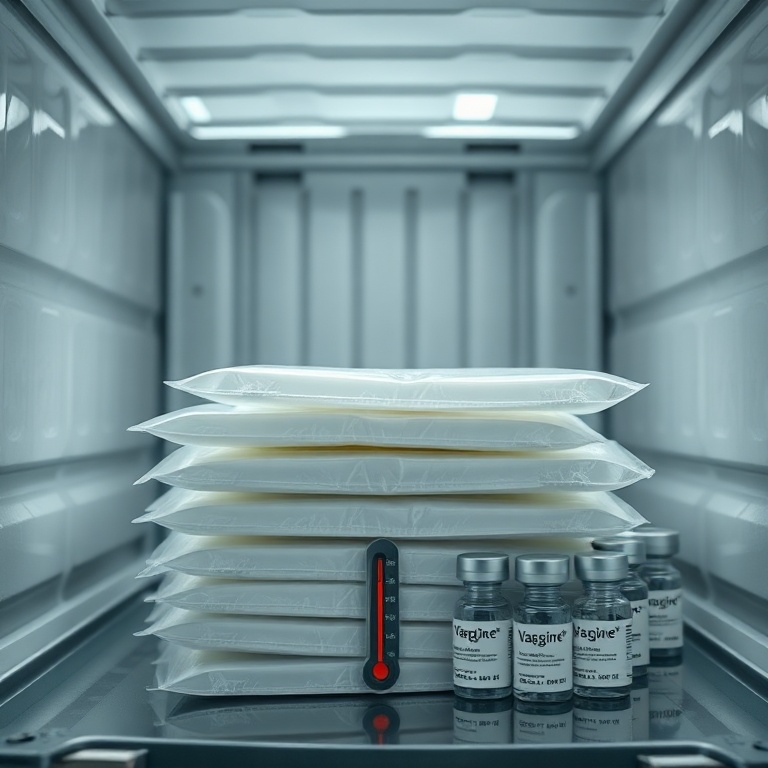
Welcome to “Vaccine: Essential Facts for Your Health.” In an era where global health is more interconnected than ever, the journey of a vaccine from manufacturing plant to an arm in a remote village is a marvel of logistics and scientific precision. This intricate process, often referred to as the “cold chain,” is absolutely critical to ensuring the efficacy and safety of every vaccine dose. At the heart of this cold chain lie unsung heroes: pharmaceutical gel packs.
These seemingly simple items play a profoundly critical role in global health. They are the silent guardians, maintaining the precise temperature required for sensitive biological products. Without their reliable performance, the monumental efforts in vaccine development and distribution would be severely undermined, risking the health of millions worldwide.
The Lifesaving Journey of Every Vaccine
The development of a vaccine is a triumph of medical science, but its impact is only realized once it safely reaches the patient. This journey is fraught with potential hazards, primarily temperature fluctuations. From the moment a vaccine leaves the production facility, it embarks on a complex voyage that demands constant vigilance over its environment.
Every step, from packaging and transit to storage at local clinics, must adhere to strict temperature guidelines. This is where the meticulous planning of the cold chain comes into play. It’s a system designed to protect the integrity of the vaccine at all costs, ensuring it remains viable and potent.
Understanding the Cold Chain for Vaccine Integrity
The cold chain is a temperature-controlled supply chain that includes all the equipment and procedures used to maintain products within a specific temperature range. For most vaccines, this range is typically between +2°C and +8°C (35°F and 46°F). Excursions outside this range, whether too hot or too cold, can irreversibly damage the vaccine‘s potency.
This comprehensive system involves specialized refrigeration units, insulated containers, and, crucially, temperature-regulating elements. Each component works in concert to create a stable environment. The success of global immunization programs hinges on the unbroken continuity of this chain, protecting every vaccine from degradation.
The Silent Guardians: Pharmaceutical Gel Packs and Vaccine Transport
Among the most vital components of the cold chain are pharmaceutical gel packs. These are not merely frozen water bottles; they are engineered solutions designed for precise temperature maintenance. Composed of non-toxic gels, they have specific thermal properties that allow them to absorb or release heat over extended periods.
Unlike regular ice, which melts quickly and can lead to freezing damage if in direct contact with vaccines, gel packs offer a more stable and controlled thermal buffer. They are carefully selected based on the required temperature range and the duration of transport, providing a consistent environment for the delicate vaccine cargo.
Why Temperature Control is Non-Negotiable for Vaccines
The effectiveness of any vaccine is directly tied to its structural integrity. Biological products, by their very nature, are sensitive to environmental factors. Temperature is perhaps the most critical of these, capable of rendering a vaccine ineffective long before its expiration date.
This sensitivity underscores why pharmaceutical companies invest heavily in cold chain logistics. Protecting the vaccine means protecting the public health benefit it is designed to provide. Compromised vaccines offer no protection, wasting resources and endangering those who receive them.
The Science Behind Vaccine Sensitivity
Vaccines are biological substances, often containing attenuated (weakened) or inactivated viruses or bacteria, or specific components like proteins or mRNA. These delicate structures can be denatured or broken down by extreme temperatures. Heat, for instance, can cause proteins to unfold or mRNA strands to degrade, altering their immunological properties.
Conversely, freezing can also be detrimental, especially for vaccines formulated with adjuvants or specific preservatives. Freezing can cause physical damage to the vaccine‘s components, leading to aggregation or loss of stability, thereby reducing its ability to elicit an immune response. Understanding this delicate balance is key to proper vaccine storage.
Risks of Temperature Excursions for Vaccine Efficacy
When vaccines are exposed to temperatures outside their specified range, their potency can significantly diminish. This is known as a “temperature excursion.” A compromised vaccine may not provide the intended level of protection, leaving individuals vulnerable to the diseases they were meant to prevent.
The consequences extend beyond individual patient safety; they can undermine public trust in immunization programs. Imagine the frustration and danger if a widely administered vaccine campaign failed due to improper temperature control. This highlights the indispensable role of robust cold chain management and reliable tools like gel packs in safeguarding every vaccine.
Innovations in Vaccine Cold Chain Technology
The demand for more efficient and reliable vaccine distribution has spurred continuous innovation in cold chain technology. While the basic principle remains the same, advancements in materials science and digital monitoring have revolutionized how vaccines are transported and stored. These innovations are crucial for reaching every eligible individual with a viable vaccine.
From advanced phase change materials to intelligent tracking systems, the goal is always to enhance the stability and security of the vaccine supply. This ongoing evolution ensures that even the most fragile vaccines can traverse vast distances without losing their protective qualities.
Beyond Basic Gel Packs: Advanced Phase Change Materials for Vaccine Safety
While traditional gel packs are effective, newer technologies offer even greater precision. Phase Change Materials (PCMs) are at the forefront of this innovation. These substances are designed to melt and freeze at specific temperatures, providing a much more stable and prolonged thermal buffer than water-based gels.
For example, some PCMs are engineered to maintain a precise +5°C, ideal for many vaccines, for extended periods. This reduces the risk of both freezing and overheating, offering superior protection. The careful selection of the right PCM for each vaccine type and transport duration is a critical aspect of modern cold chain planning.
Smart Monitoring and Logistics for Vaccine Distribution
Modern cold chain management extends beyond physical coolants to include sophisticated digital solutions. Real-time temperature monitoring devices, often equipped with GPS tracking, are now standard in vaccine transport. These devices continuously record temperature data and can alert logistics teams to any deviations.
This allows for immediate intervention if a problem arises, preventing potential vaccine spoilage. Such smart logistics systems provide an invaluable layer of security and transparency, ensuring that every vaccine delivery is meticulously tracked and protected. Organizations like the WHO often provide guidelines for these advanced monitoring systems (an external linking opportunity).
Global Impact: Delivering Vaccines to Every Corner
The true power of pharmaceutical gel packs and the cold chain becomes evident in global health initiatives. Delivering vaccines to remote villages, disaster zones, or densely populated urban centers presents unique challenges. Without reliable temperature control, these life-saving interventions would simply not be possible.
Immunization campaigns against diseases like polio, measles, and now COVID-19, rely heavily on this infrastructure. The ability to maintain vaccine integrity across diverse climates and challenging terrains is a testament to the effectiveness of these cold chain solutions.
Overcoming Challenges in Remote and Developing Regions for Vaccine Access
In many parts of the world, especially developing countries, infrastructure can be limited. Reliable electricity for refrigeration is not always guaranteed, and transport routes can be long and arduous. Here, the passive cooling power of gel packs in insulated carriers becomes indispensable for safe vaccine delivery.
They allow health workers to transport vaccines for days without external power, reaching populations that would otherwise be inaccessible. This empowers local health initiatives and ensures that even the most isolated communities can benefit from vital immunization programs. This is a crucial aspect of equitable vaccine distribution.
The Role of Gel Packs in Mass Immunization Campaigns and Vaccine Rollouts
During large-scale immunization drives, such as those seen during the recent pandemic, the sheer volume of vaccines needing transport and storage is immense. Pharmaceutical gel packs were instrumental in these efforts, used in millions of insulated containers to distribute vaccines rapidly and efficiently.
Their ease of use, reusability, and effectiveness make them a go-to solution for maintaining the cold chain at every level, from national distribution hubs to local vaccination sites. They are a cornerstone of any successful mass vaccine rollout, safeguarding the precious doses until they can be administered. Consider the logistical challenges detailed by the CDC for vaccine distribution as an internal linking opportunity.
The Future of Vaccine Delivery and Sustainability
As global health challenges evolve, so too must the methods for delivering vaccines. The future of cold chain logistics is focused on even greater efficiency, sustainability, and resilience. Innovations continue to emerge, driven by the need to reach more people with life-saving vaccines while minimizing environmental impact.
This includes exploring new materials, optimizing transport routes, and integrating renewable energy sources into the cold chain. The goal is to make vaccine delivery not just effective, but also environmentally responsible and economically viable for all nations.
Eco-Friendly Solutions for Vaccine Transport
The environmental footprint of the cold chain is an increasing concern. Researchers are developing biodegradable gel pack materials and reusable packaging solutions to reduce waste. Furthermore, efforts are being made to optimize transport routes and utilize more energy-efficient refrigeration units, contributing to a greener vaccine supply chain.
The pharmaceutical industry is actively seeking ways to balance the critical need for vaccine integrity with environmental stewardship. This includes exploring solar-powered refrigerators and more sustainable manufacturing processes for cold chain components. These initiatives ensure the long-term viability of global vaccine programs.
Continuous Improvement in Vaccine Cold Chain Management
The landscape of vaccine development is constantly changing, with new vaccines often having unique temperature requirements. This necessitates ongoing research and adaptation in cold chain management. Training programs for health workers on proper handling and storage of vaccines are also continuously updated.
International collaborations, like those facilitated by Gavi, the Vaccine Alliance, play a crucial role in sharing best practices and resources. By continually refining cold chain strategies, we can ensure that future generations of vaccines, regardless of their sensitivity, can reach everyone who needs them, maintaining the incredible public health benefits of every vaccine.
Conclusion: The Unsung Heroes of Global Vaccine Health
The journey of a vaccine is a testament to human ingenuity, from scientific discovery to global distribution. At every critical juncture, pharmaceutical gel packs stand as the quiet, indispensable guardians of vaccine integrity. They ensure that the precision of scientific research translates into tangible protection for communities worldwide.
Without their crucial role in maintaining the cold chain, the monumental efforts in vaccine development and widespread immunization would be compromised. These humble components are truly essential facts for your health, playing a pivotal role in the ongoing fight against infectious diseases. Understanding their importance helps us appreciate the complexity and dedication involved in safeguarding global public health.
Join us in recognizing the vital role of every link in the cold chain. Support initiatives that strengthen vaccine distribution and advocate for robust public health infrastructure in your community and beyond. Your awareness contributes to a healthier, more protected world for everyone.