


Unseen Wonders: Explore Hidden Gems
In the vast and intricate world of modern medicine, countless elements work in harmony to ensure patient well-being. While we often focus on groundbreaking drugs, advanced surgical techniques, or revolutionary diagnostic tools, there’s a quiet, often **unseen** guardian playing a pivotal role: the medical gel pack. These unassuming thermal solutions are far more than simple cooling devices; they are an essential shield, tirelessly working behind the scenes to prevent drug degradation and guarantee the potency of life-saving medications. Understanding their critical function reveals an **unseen** layer of protection that underpins pharmaceutical efficacy and patient safety worldwide.
The Unseen Threat: Why Drug Degradation Matters
Pharmaceutical products are complex chemical compounds designed to interact with the human body in precise ways. Their stability, however, is incredibly delicate, making them vulnerable to a range of environmental factors. Temperature fluctuations, exposure to light, and humidity can all trigger chemical reactions that alter a drug’s molecular structure.
When a drug degrades, its intended therapeutic effect can be significantly diminished or entirely lost. This means a patient might receive a medication that simply doesn’t work, leading to prolonged illness or worsening conditions. Even more concerning, degradation can sometimes produce toxic byproducts, turning a life-saving treatment into a potential health hazard.
Consider insulin, vaccines, or certain cancer therapies – these are highly sensitive biopharmaceuticals that require stringent temperature control. Their efficacy is directly linked to their structural integrity, which can be compromised rapidly outside of their specified storage ranges. The challenge lies in maintaining these ideal conditions from the manufacturing plant to the patient’s bedside, a journey often fraught with **unseen** environmental perils.
Understanding the Unseen Enemies of Potency
Temperature is arguably the most significant factor influencing drug stability. Heat can accelerate chemical reactions, breaking down active pharmaceutical ingredients (APIs) into inactive or harmful compounds. Conversely, freezing can also damage certain medications, particularly those in liquid form, by causing protein denaturation or crystallization that alters their composition.
Light, especially ultraviolet (UV) radiation, can induce photodegradation, a process that breaks chemical bonds and alters molecular structures. Humidity can lead to hydrolysis, where water molecules react with the drug, causing it to break down. These environmental stressors are often **unseen** but constantly present, posing a continuous threat to drug quality throughout the supply chain.
The Science Behind the Unseen Shield
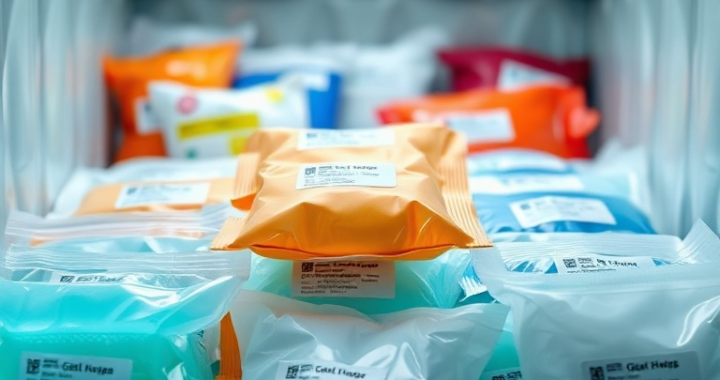
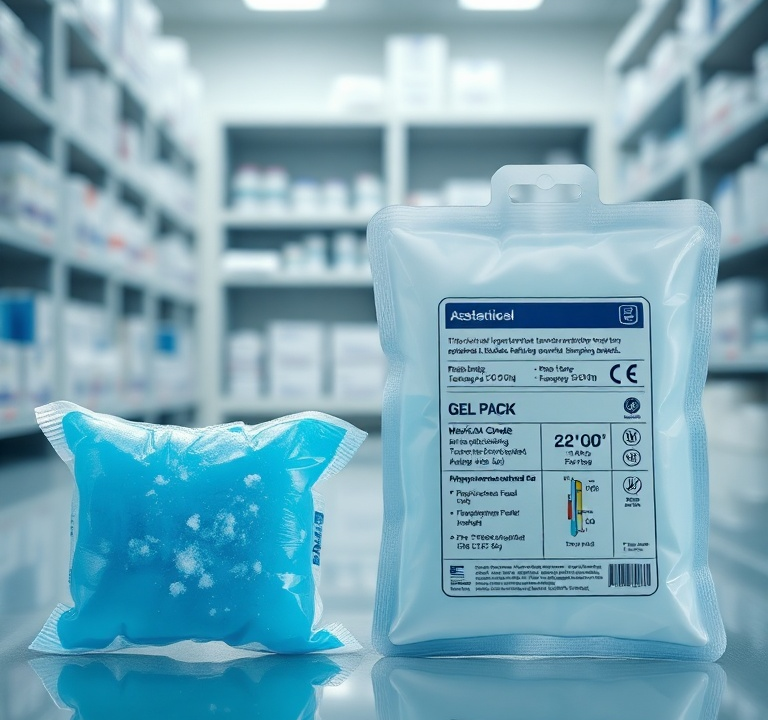
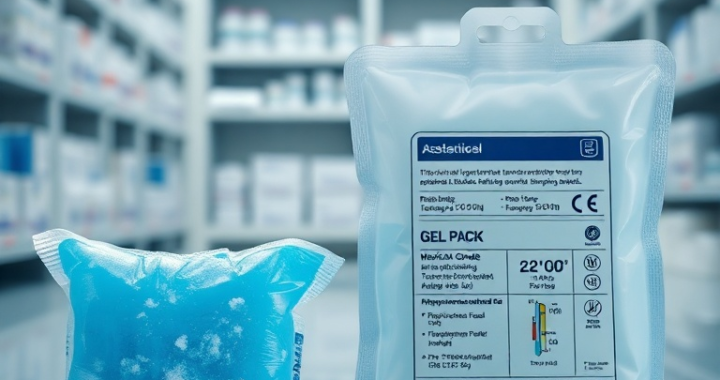
Medical gel packs are engineered marvels, designed to absorb or release thermal energy to maintain a stable temperature environment. Unlike ordinary ice packs, which simply freeze and melt, medical gel packs often utilize specialized formulations and phase change materials (PCMs) that are calibrated to specific temperatures.
Phase change materials are substances that absorb and release large amounts of latent heat when they undergo a phase transition, such as melting or freezing, at a constant temperature. This property allows them to maintain a desired temperature range for extended periods, far more effectively than water-based ice alone. For instance, a PCM could be designed to melt at exactly 5°C, providing consistent cooling within the crucial refrigerated range of 2-8°C.
The internal composition of these gel packs typically includes water, a polymer gelling agent, and sometimes salts or other additives to fine-tune their thermal properties. This precise formulation allows them to maintain specific temperature profiles, whether it’s frozen (-20°C), refrigerated (2-8°C), or controlled room temperature (20-25°C), for hours or even days during transit and storage. Their ability to provide this precise thermal regulation is an **unseen** yet fundamental aspect of pharmaceutical logistics.
How Gel Packs Provide Unseen Thermal Stability
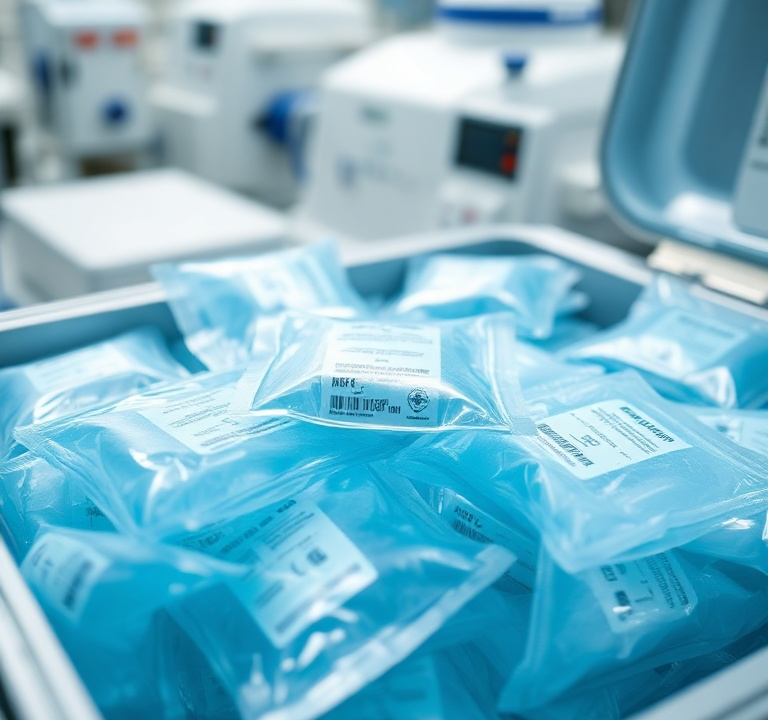
The magic of medical gel packs lies in their ability to act as a thermal buffer. When placed around temperature-sensitive drugs within an insulated container, they slowly absorb heat from the warmer environment or release heat into a colder one. This slows down the rate of temperature change for the enclosed products, effectively extending the time they remain within their safe temperature window.
Different types of gel packs are employed depending on the specific temperature requirements. Water-based gel packs are common for maintaining refrigerated temperatures, while specialized PCMs are used for more extreme or precise temperature ranges. The design of the gel pack itself, including its size, shape, and even the type of outer film, contributes to its overall thermal performance and durability. This sophisticated engineering ensures an **unseen** level of protection for delicate pharmaceuticals.
Beyond the Obvious: The Unseen Impact on Patient Safety
The direct link between stable drug potency and patient safety cannot be overstated. When medical gel packs reliably maintain the integrity of medications, they directly contribute to successful treatment outcomes and prevent potential harm. This **unseen** contribution is foundational to the trust patients place in their prescribed remedies.
Imagine a patient with a severe allergic reaction relying on an epinephrine auto-injector. If the epinephrine has degraded due to improper storage temperatures, it may not deliver the life-saving dose when needed most. Similarly, a vaccine that has lost its potency due to temperature excursions might fail to protect against disease, leaving individuals vulnerable.
The consistent performance of drugs, guaranteed by proper temperature control, ensures that healthcare professionals can confidently administer treatments. It reduces the risk of adverse events that could arise from degraded compounds and upholds the promise of efficacy made by pharmaceutical manufacturers. This silent, **unseen** guardian truly saves lives.
Ensuring Dosage Accuracy and Preventing Unseen Risks
Every drug is formulated with a precise dosage in mind, calibrated to deliver a specific therapeutic effect. When a drug degrades, its active ingredient concentration can decrease, meaning the patient receives an under-dose. This can lead to ineffective treatment, delayed recovery, or the need for more aggressive interventions. Conversely, some degradation pathways can concentrate active ingredients or produce more potent, harmful compounds, leading to an overdose or toxic effects.
Medical gel packs mitigate these risks by preserving the drug’s intended chemical composition and concentration. By preventing degradation, they ensure that the dose administered is the dose intended, safeguarding patients from both sub-therapeutic and supra-therapeutic outcomes. This **unseen** layer of precision is critical in all aspects of patient care, from routine prescriptions to emergency interventions.
Furthermore, the psychological impact of drug degradation, though **unseen**, is significant. Patients and healthcare providers rely on the promise of medication effectiveness. A failure in this regard erodes trust in the healthcare system and can lead to skepticism about future treatments. The reliable performance of gel packs reinforces this trust by ensuring that every dose counts.
The Unseen Heroes of Cold Chain Logistics
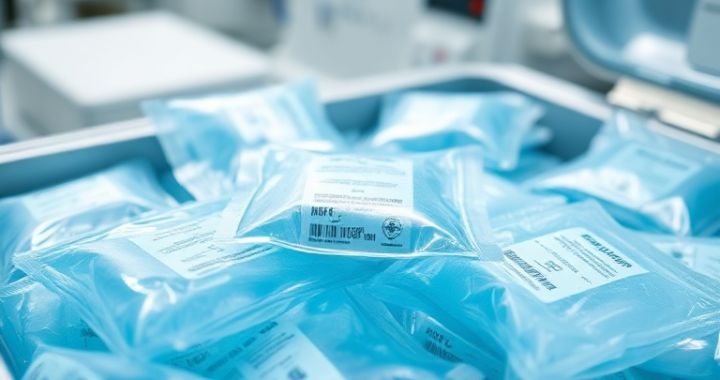
The journey of a drug from its manufacturing facility to the patient is often long and complex, spanning continents and enduring various climatic conditions. This “cold chain” is a temperature-controlled supply chain designed to maintain optimal conditions for perishable products, and medical gel packs are its indispensable components. They are the **unseen** workhorses that make global pharmaceutical distribution possible.
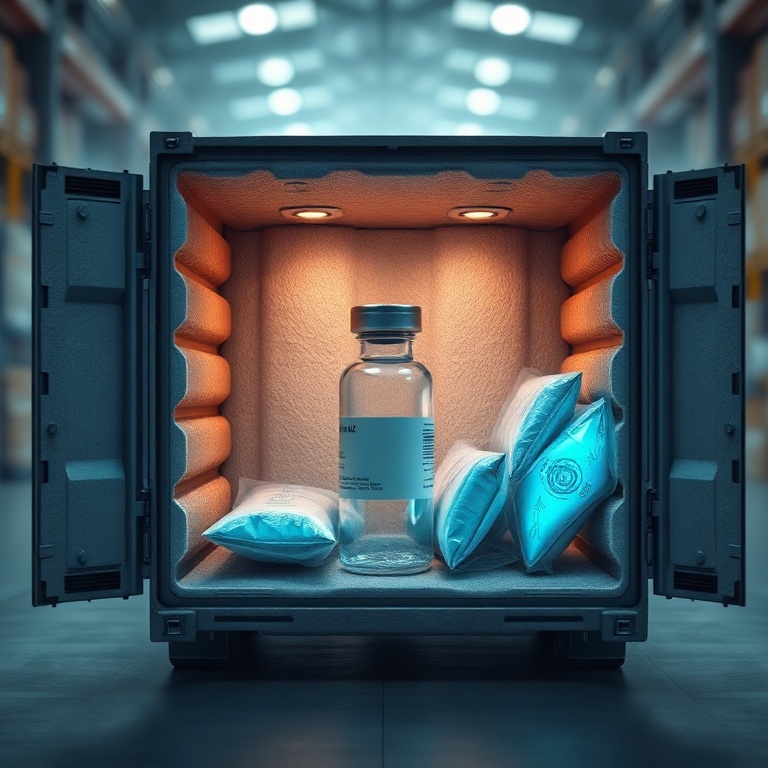
In global distribution, medications face extreme temperatures in transit, from scorching tarmac during air cargo transfers to freezing conditions in unheated warehouses. Without robust thermal packaging solutions, including strategically placed gel packs, the integrity of these vital drugs would be compromised long before they reach their destination. They work in tandem with insulated containers, thermal blankets, and real-time temperature monitoring devices to create a formidable defense against temperature excursions.
This intricate logistical dance involves careful planning, precise packing protocols, and continuous innovation to meet the evolving demands of the pharmaceutical industry. The reliability of these **unseen** heroes ensures that even the most delicate biologics can be safely transported across vast distances, reaching patients in remote areas or those with critical, time-sensitive needs.
Navigating Global Challenges with Unseen Protection
The challenges in cold chain logistics are multifaceted. Customs delays, unexpected route changes, and infrastructure limitations in developing regions can all extend transit times and expose shipments to uncontrolled temperatures. Medical gel packs provide a crucial buffer during these **unseen** contingencies, offering an extended window of thermal protection.
They are integral to validating shipping lanes and packaging configurations, ensuring compliance with strict regulatory requirements from bodies like the FDA and EMA. Without the consistent performance of these thermal buffers, the complexities of global pharmaceutical distribution would be insurmountable, severely limiting access to essential medicines worldwide. Their silent contribution is truly an **unseen** pillar of global health.
Innovation in the Unseen World of Thermal Packaging
The field of thermal packaging is continuously evolving, driven by the need for greater efficiency, sustainability, and precision. Researchers and manufacturers are constantly developing new formulations for gel packs, exploring advanced PCMs that offer longer duration, tighter temperature control, and even multi-temperature capabilities within a single pack. This commitment to improvement ensures the **unseen** shield remains robust.
Sustainable practices are also a growing focus. Efforts are underway to create biodegradable gel pack materials, reduce reliance on single-use plastics, and develop reusable solutions that minimize environmental impact. The goal is to provide effective thermal protection while also being environmentally responsible, addressing the **unseen** ecological footprint of the cold chain.
Future innovations may include “smart” gel packs integrated with IoT sensors, providing real-time data on their thermal state and remaining capacity. This would offer unprecedented visibility into the cold chain, allowing for proactive interventions and even more precise temperature management. Such advancements promise to further enhance the **unseen** capabilities of these vital components.
The Future of Unseen Pharmaceutical Protection
As pharmaceutical science advances, with an increasing number of biologics, gene therapies, and personalized medicines, the demands on thermal packaging will only grow. These cutting-edge treatments are often far more sensitive to temperature variations than traditional small-molecule drugs, requiring even more sophisticated and reliable thermal solutions. The role of medical gel packs, therefore, is set to become even more critical.
The continuous development of more efficient, sustainable, and intelligent gel pack technologies will be essential in supporting the next generation of medical breakthroughs. These **unseen** innovations will ensure that the promise of new therapies is delivered safely and effectively to patients around the globe, maintaining their potency and efficacy from lab to life.
Conclusion
From the moment a life-saving drug leaves the manufacturing plant until it reaches a patient’s hand, its integrity is under constant, often **unseen**, threat. Medical gel packs stand as a vital, yet frequently overlooked, line of defense against these perils. They are the unsung heroes of the pharmaceutical cold chain, meticulously engineered to maintain precise temperature ranges, prevent degradation, and ultimately ensure the potency and safety of medications.
Their sophisticated science, critical role in patient safety, and indispensable contribution to global logistics highlight an **unseen** world of dedication and innovation. The next time you encounter one of these humble thermal solutions, remember the profound impact it has on public health. It’s a testament to the fact that sometimes, the most critical protections are the ones we rarely see but absolutely depend on.
To learn more about the critical role of cold chain logistics in pharmaceutical safety, explore resources from authoritative bodies like the World Health Organization (WHO) or delve into the specifics of FDA guidelines on drug stability. Understanding these **unseen** elements empowers us to appreciate the intricate network that ensures our medications are safe and effective. If you’re involved in pharmaceutical distribution or healthcare, consider how optimizing your thermal packaging solutions can enhance product integrity and patient trust. Explore advanced gel pack technologies today to secure your valuable cargo.