



The journey of a life-saving vaccine, from its sterile manufacturing facility to the arm of a patient, is far more complex than many realize. It’s a delicate dance of science, logistics, and precision, where every step is critical to maintaining the product’s efficacy and safety. A single misstep can compromise the entire batch, rendering it ineffective and potentially jeopardizing public health. Understanding the intricate process that safeguards these vital medical tools is paramount for appreciating the immense effort behind global immunization programs.
This post delves into the “Vaccine Stability Secrets,” uncovering the critical role of pharmaceutical cold chains and the unsung heroes within them: precision gel packs. We’ll explore why temperature control is non-negotiable for vaccines and how innovative solutions ensure that every dose delivered is as potent as intended. The integrity of each vaccine dose hinges on an unbroken cold chain, a testament to scientific rigor and logistical excellence.
Understanding Vaccine Vulnerability
At their core, vaccines are biological products, often containing weakened or inactivated forms of pathogens, or components like proteins or mRNA. This biological nature makes them inherently sensitive to environmental factors, particularly temperature fluctuations. Unlike many other medications, a vaccine cannot simply be reheated or cooled back to its ideal state once it has been compromised.
The delicate molecules within a vaccine can degrade irreversibly if exposed to temperatures outside their specified range. This degradation can lead to a loss of potency, meaning the vaccine will no longer effectively stimulate an immune response in the recipient. Such a failure not only wastes resources but also leaves individuals vulnerable to the diseases the vaccine was designed to prevent. Ensuring the stability of every vaccine is a top priority.
The Science Behind Vaccine Degradation
Vaccines are typically manufactured to be stable within a narrow temperature window, most commonly +2°C to +8°C (36°F to 46°F). Exceeding this upper limit can accelerate molecular reactions, causing proteins to denature or genetic material to break down. Conversely, freezing temperatures can damage the adjuvant (an ingredient that boosts the immune response) or even rupture the viral or bacterial components, rendering the vaccine useless.
For example, some mRNA vaccines require ultra-cold storage, sometimes as low as -70°C, due to the extreme fragility of their genetic material. This variability underscores the need for highly specialized cold chain solutions tailored to each specific vaccine. The science behind maintaining vaccine integrity is precise and unforgiving.
The Cold Chain: An Unbroken Promise for Every Vaccine
The pharmaceutical cold chain is a temperature-controlled supply chain designed to maintain optimal conditions for temperature-sensitive products like vaccines. It encompasses all the equipment and procedures used to keep a vaccine within its required temperature range from the moment it leaves the manufacturing plant until it is administered to a patient. This unbroken chain is the backbone of global immunization efforts.
Every link in this chain – from specialized storage facilities and refrigerated trucks to insulated shipping containers and trained personnel – must function flawlessly. A lapse at any point, whether during transport, storage, or distribution, can compromise the entire batch of vaccine. This commitment to an unbroken cold chain is essential for public trust and health outcomes.
From Manufacturer to Patient: Tracing the Vaccine’s Journey
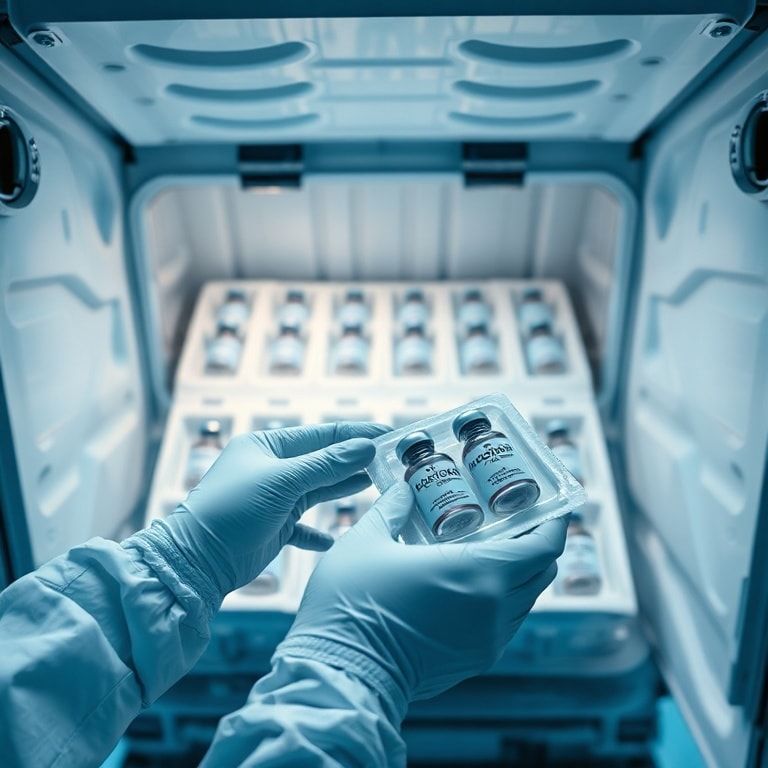
The journey of a vaccine begins at the manufacturing plant, where it is immediately stored in controlled environments. From there, it moves to primary distribution centers, often via refrigerated trucks or air cargo. These larger shipments are then broken down and sent to regional depots, clinics, pharmacies, and even remote healthcare posts.
At each transfer point, strict protocols are followed to minimize temperature excursions. Specialized packaging, temperature monitoring devices, and trained staff are crucial to ensure that the vaccine remains viable. This complex logistical ballet is performed daily across the globe, ensuring that vital vaccine doses reach those who need them most.
Precision Gel Packs: The Unsung Heroes of Vaccine Stability
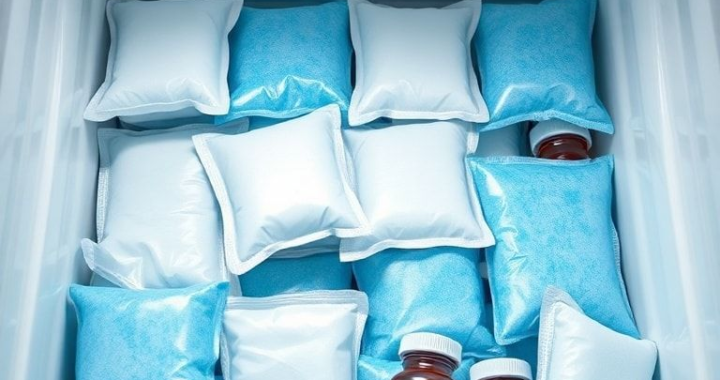
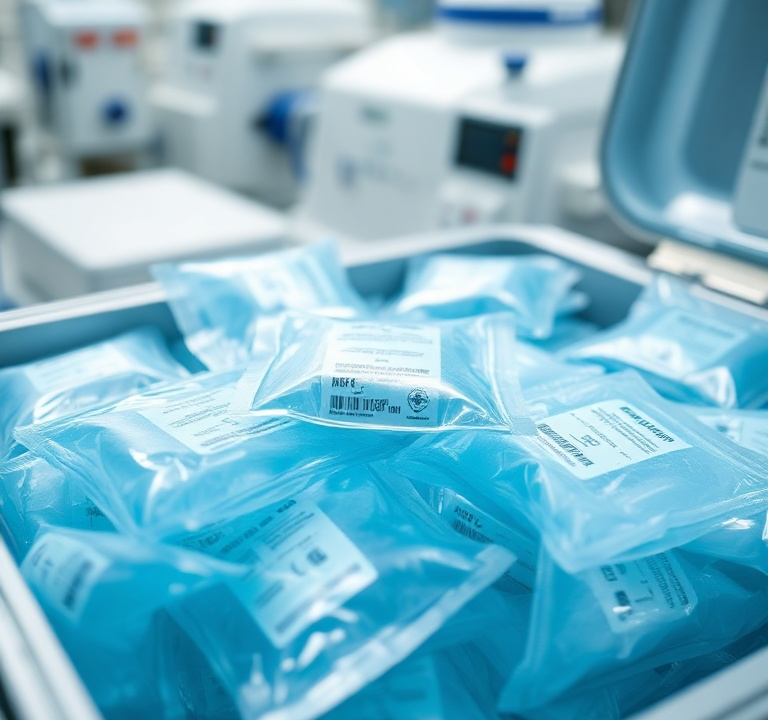
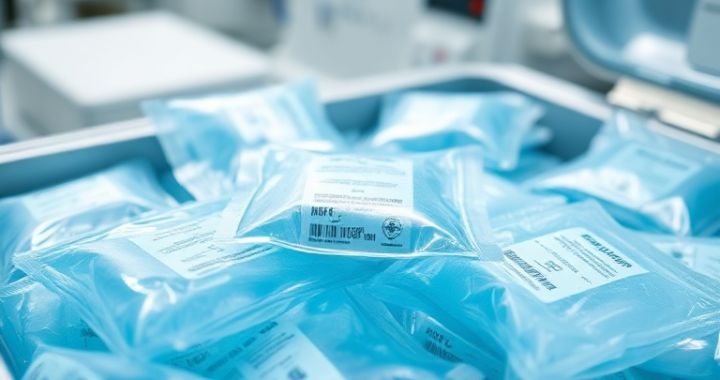
While refrigerated trucks and large freezers form the visible infrastructure of the cold chain, precision gel packs are the often-overlooked workhorses within insulated shipping containers. These seemingly simple devices play a critical role in maintaining stable temperatures for individual vaccine shipments, especially during the “last mile” of delivery or in situations where active refrigeration isn’t feasible.
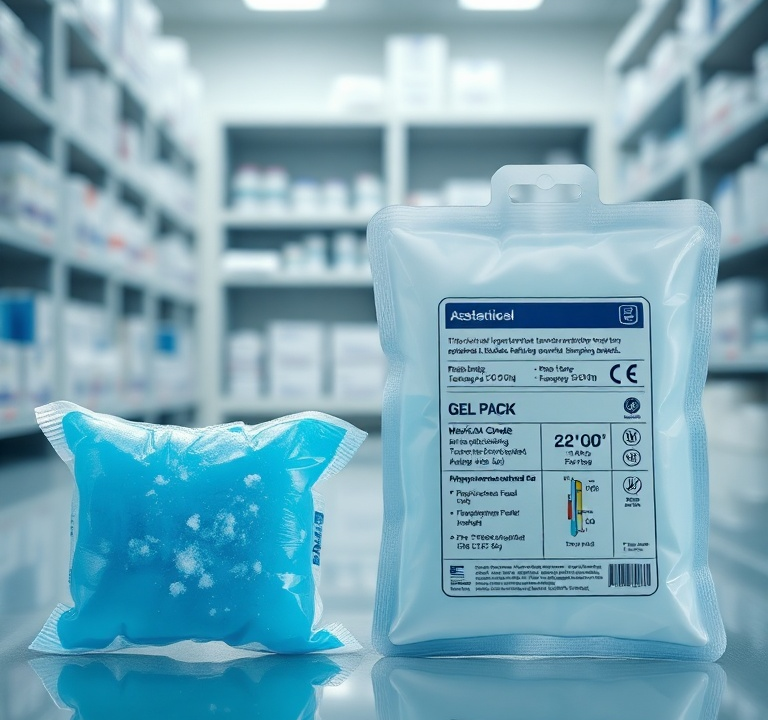
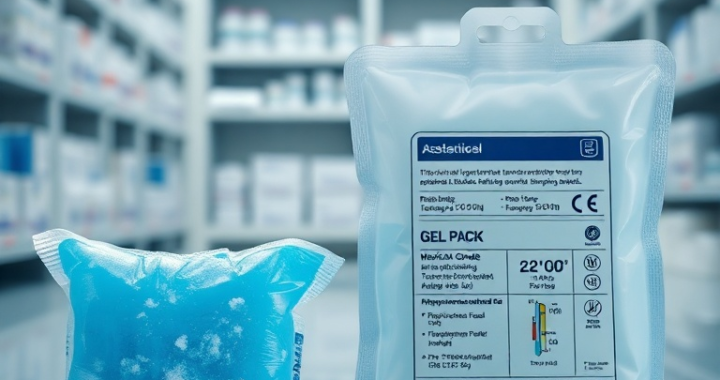
Unlike standard ice packs, which can freeze contents and cause damage, precision gel packs are engineered to maintain specific temperature ranges. They are designed with advanced phase change materials (PCMs) that absorb and release thermal energy at precise temperatures, creating a stable microenvironment around the vaccine. This technology is indispensable for preserving vaccine integrity.
Beyond Basic Ice: Phase Change Materials (PCMs) for Vaccine Transport
Traditional ice packs freeze at 0°C (32°F), which can be detrimental to many vaccines that must not freeze. Precision gel packs, however, utilize PCMs with different freezing/melting points. For example, some PCMs are formulated to freeze at +5°C, providing a prolonged cooling effect within the crucial +2°C to +8°C range without ever dropping below freezing.
Other PCMs are designed for ultra-cold applications, absorbing heat to maintain temperatures like -20°C or even -70°C. This targeted thermal management is crucial for the diverse storage requirements of modern vaccines. The choice of PCM is critical and depends entirely on the specific needs of the vaccine being transported.
Customization and Specific Vaccine Requirements
The effectiveness of precision gel packs lies in their ability to be customized for various temperature profiles and shipping durations. Manufacturers of these packs work closely with pharmaceutical companies to design solutions that meet the exact specifications of each vaccine. This includes not just the PCM type, but also the pack’s size, shape, and quantity within an insulated container.
For instance, a vaccine requiring 48 hours of +2°C to +8°C stability during air transit will use a different gel pack configuration than one needing 72 hours of -20°C stability for ground transport in a desert climate. The engineering behind these customized solutions is a testament to the dedication to vaccine safety. This level of customization ensures optimal protection for every vaccine shipment.
Ensuring Vaccine Safety and Efficacy with Robust Cold Chains
The ultimate goal of the sophisticated cold chain, supported by precision gel packs, is to ensure that every vaccine dose administered is safe, potent, and effective. This directly translates to successful immunization programs, reduced disease burden, and improved public health outcomes globally. The investment in robust cold chain infrastructure pays dividends in human lives saved and illnesses prevented.
A compromised vaccine is not only a financial loss but also a public health risk, as it may lead to a false sense of security without providing actual protection. Therefore, maintaining the integrity of the cold chain is not just a logistical challenge but a moral imperative. The commitment to vaccine safety is unwavering.
Monitoring and Validation in the Cold Chain
Modern cold chains employ advanced monitoring technologies to track temperature conditions throughout a vaccine’s journey. Data loggers, RFID tags, and real-time GPS tracking provide continuous visibility, alerting stakeholders to any temperature excursions immediately. This allows for swift intervention and helps identify areas for improvement in the logistics process.
Validation studies are also crucial. Before a cold chain solution is deployed, it undergoes rigorous testing to ensure it can maintain the required temperature range under various environmental conditions. This meticulous validation process guarantees that the combination of insulated packaging and precision gel packs will perform as expected, safeguarding every vaccine.
The Economic and Public Health Impact of Cold Chain Failures on Vaccine Supply
The economic consequences of cold chain failures can be substantial. Spoiled vaccine batches represent significant financial losses, including manufacturing costs, shipping expenses, and the cost of replacement doses. Beyond monetary losses, there are far-reaching public health implications.
A failed vaccine can lead to outbreaks of preventable diseases, increased healthcare costs, and a loss of public trust in immunization programs. For instance, studies by organizations like the World Health Organization (WHO) often highlight the critical need for robust cold chain infrastructure, especially in developing regions where resources are scarce. The impact of a single compromised vaccine can ripple through communities, underscoring the importance of prevention.
Innovations in Vaccine Cold Chain Technology
The field of cold chain logistics is continuously evolving, driven by the need to transport increasingly sensitive and diverse vaccines. Innovations include “smart” packaging with integrated sensors that communicate temperature data in real-time, allowing for proactive intervention. The development of more advanced PCMs with even tighter temperature control and longer hold times is also ongoing.
Furthermore, efforts are being made to develop “passive” cold chain solutions that require no external power, making them ideal for remote areas with unreliable electricity. These advancements promise to further enhance the safety and accessibility of vaccines worldwide, ensuring a robust future for global health initiatives. The next generation of vaccine delivery is already being designed.
Conclusion: The Unseen Guardians of Vaccine Safety
The journey of a vaccine is a testament to human ingenuity and dedication, from scientific discovery to global distribution. Precision gel packs, as integral components of the pharmaceutical cold chain, serve as unseen guardians, meticulously maintaining the temperature stability that every vaccine requires. Their role, though often unnoticed, is absolutely critical to ensuring that each dose remains potent, safe, and ready to protect.
Understanding these stability secrets reinforces the confidence we place in immunization programs. It highlights the vast, complex network of professionals, technologies, and protocols working tirelessly behind the scenes to safeguard public health. The next time you consider a vaccine, remember the intricate journey it has taken, protected at every step by these vital cold chain solutions.
For more insights into pharmaceutical logistics and cold chain management, consider exploring resources from organizations like the CDC or the Pharmaceutical Cold Chain Network. Ensuring the future of global health relies on continued innovation and vigilance in protecting every single vaccine. Join the conversation and learn more about how you can support vaccine safety and efficacy in your community today!