


Unsung Heroes: Their Untold Stories
The Unsung Guardians of Global Health
In the vast, intricate world of healthcare, countless innovations and dedicated professionals work tirelessly to ensure our well-being. While we often celebrate groundbreaking surgeries or revolutionary drugs, there are many **unsung** heroes operating behind the scenes, whose contributions are no less critical. Among these overlooked champions are advanced gel packs, seemingly simple devices that play an indispensable role in safeguarding the potency and safety of temperature-sensitive medications, from life-saving vaccines to essential biologics.
These humble yet mighty tools are fundamental to the global healthcare supply chain, preventing spoilage and ensuring that vital medicines reach patients in optimal condition, regardless of distance or environmental challenges. Their story is one of silent vigilance, a testament to how meticulous science underpins even the most mundane-seeming components of modern medicine.
The Critical Challenge: Temperature Sensitivity in Medications
Many modern medications are biological in nature, meaning they are incredibly sensitive to temperature fluctuations. Vaccines, insulin, certain cancer therapies, and complex biologics can degrade rapidly if exposed to temperatures outside their specified range.
Even a slight deviation can render these life-saving treatments ineffective or, worse, harmful. This inherent fragility presents a monumental challenge for pharmaceutical companies, distributors, and healthcare providers alike, making the journey from manufacturer to patient a delicate tightrope walk.
The integrity of these medications is paramount, directly impacting patient outcomes and trust in the healthcare system. Without robust temperature control, the efficacy of an entire treatment course could be compromised, leading to adverse health events or wasted resources.
Enter the Unsung Gel Pack: A Scientific Marvel
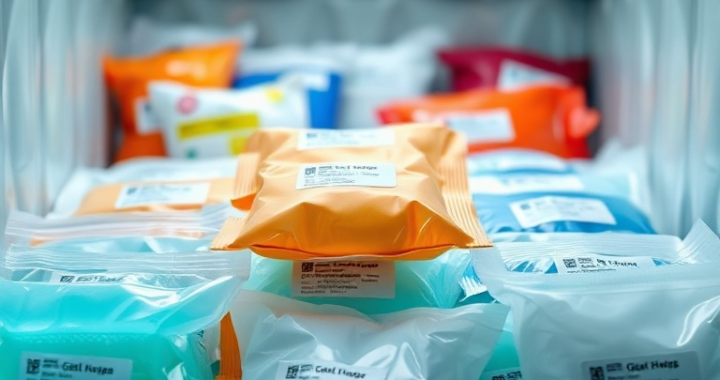
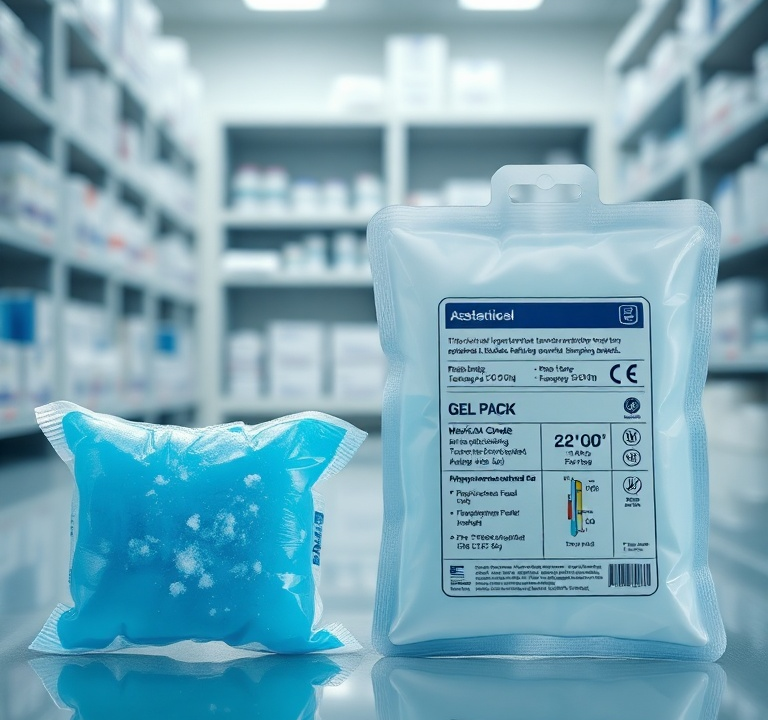
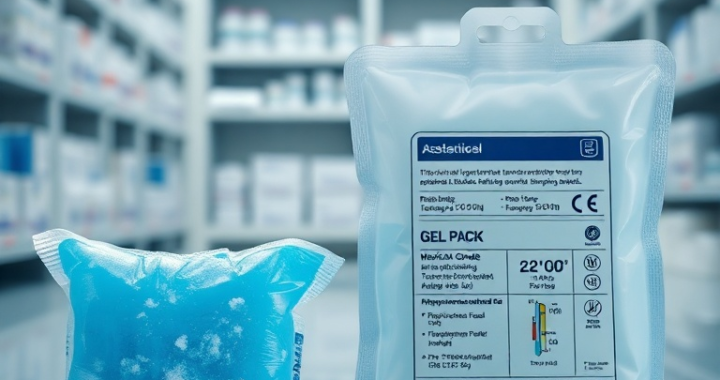
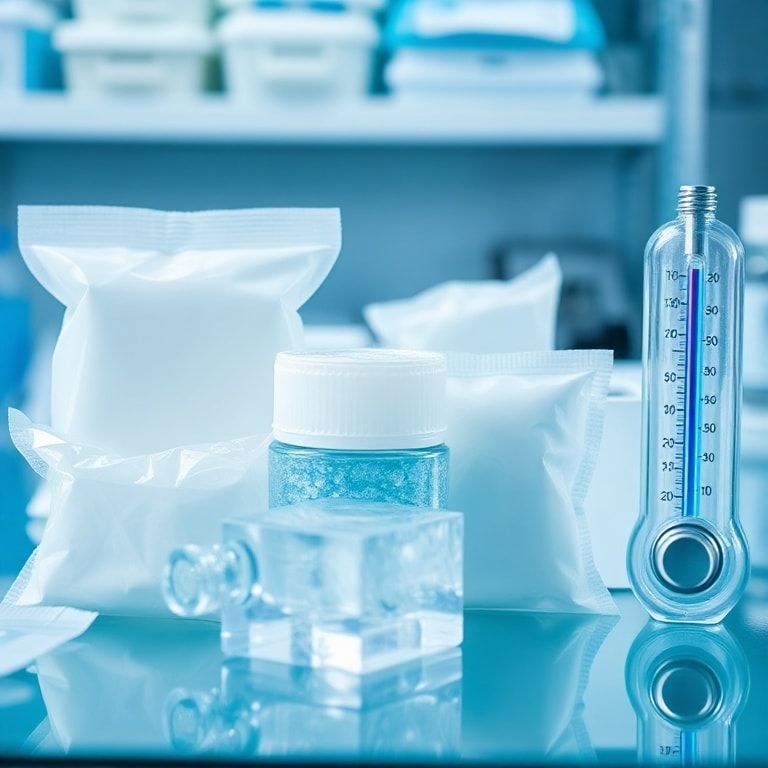
At the forefront of solving this critical temperature challenge are advanced gel packs – the **unsung** heroes of cold chain logistics. Far from simple ice blocks, these sophisticated thermal solutions are engineered with precision to maintain specific temperature ranges for extended periods.
Their design incorporates specialized gels, often phase-change materials (PCMs), which absorb or release latent heat as they transition between solid and liquid states. This allows them to maintain a stable temperature much more effectively and for longer durations than traditional ice, which simply melts.
The science behind these gel packs is complex, involving careful selection of materials and precise calibration to meet stringent pharmaceutical requirements. They are a testament to the quiet innovation that often goes **unsung** in the rush to spotlight more glamorous medical breakthroughs.
Beyond Basic Cooling: The Science of Phase-Change Materials
Traditional ice packs offer limited thermal control, as their temperature rises quickly once they melt. PCMs, on the other hand, are designed to melt and freeze at specific temperatures, maintaining that temperature for a prolonged period during their phase transition.
This “plateau” effect is crucial for temperature-sensitive medications, preventing them from freezing (which can be just as damaging as overheating) or quickly warming up. Different PCMs are formulated for various temperature requirements, from refrigerated (2-8°C) to frozen (-20°C or colder).
The careful selection and formulation of these materials ensure that medications remain within their narrow acceptable temperature window, a truly **unsung** feat of materials science and engineering.
The Cold Chain: Where Unsung Heroes Shine Brightest
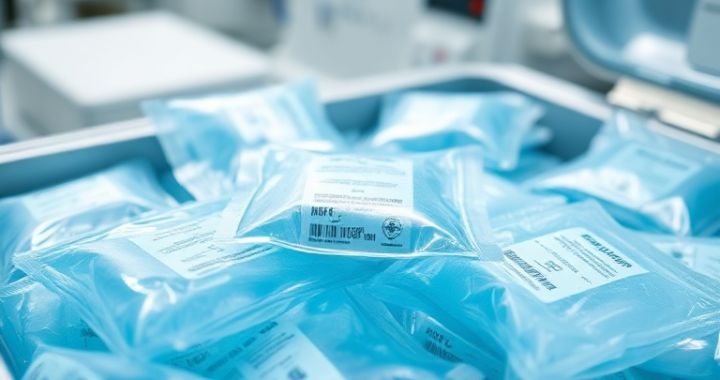
The “cold chain” refers to the entire network of temperature-controlled environments that keeps perishable goods, including pharmaceuticals, safe from the point of manufacture to the point of use. This intricate system relies heavily on the consistent performance of gel packs.
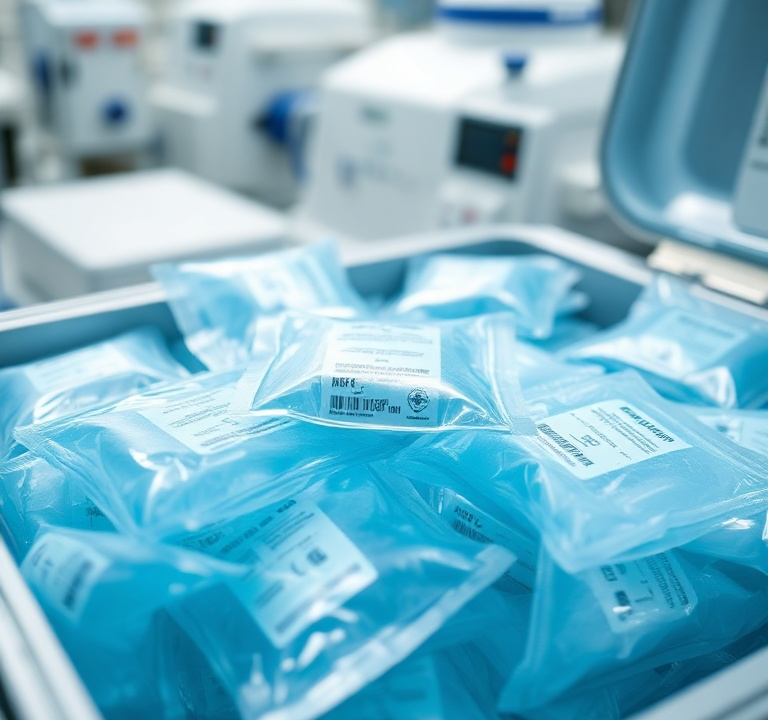
From insulated shipping containers traveling across continents to local delivery vans, gel packs are strategically placed to create a microclimate around precious cargo. They are the silent sentinels protecting against external heat or cold, ensuring every vial and syringe arrives intact.
The robust design of these **unsung** heroes ensures that even during unforeseen delays or challenging environmental conditions, the cold chain remains unbroken, a critical factor for global health initiatives like vaccine distribution.
Global Reach: Protecting Medications Across Continents
Imagine a vaccine manufactured in one country needing to reach remote villages in another, traversing deserts, mountains, and various climates. Without reliable temperature control, this journey would be impossible.
Gel packs enable this global reach, making life-saving treatments accessible to populations far removed from manufacturing hubs. They empower humanitarian efforts and global health organizations to deliver critical aid, often in challenging logistical environments.
Their role in global health equity is truly **unsung**, facilitating the distribution of medicines that can change the trajectory of countless lives worldwide.
Impact on Specific Medications: A Silent Safeguard
The implications of effective gel pack technology are far-reaching, directly impacting the availability and efficacy of numerous vital medications.
Vaccines: The Vanguard of Public Health
Perhaps no medication highlights the importance of temperature control more than vaccines. From childhood immunizations to seasonal flu shots and global pandemic responses, vaccines are highly susceptible to temperature excursions.
Gel packs are integral to vaccine cold chains, ensuring that every dose retains its immunogenic properties. Their consistent performance means that when a vaccine is administered, it provides the intended protection, preventing widespread disease and saving lives – a profound, yet often **unsung**, contribution.
Insulin and Biologics: Daily Necessities
For millions living with diabetes, insulin is a daily necessity. Its potency is directly affected by temperature, and improper storage can render it ineffective, leading to serious health complications.
Similarly, many modern biologics, used to treat autoimmune diseases, cancers, and other complex conditions, are fragile proteins that require strict temperature maintenance. Gel packs provide the reliable environment these medications need, ensuring patients receive treatments that work as intended.
The daily peace of mind for patients relying on these medications is a direct result of the meticulous, **unsung** work of thermal packaging solutions.
Innovations and the Future of Unsung Thermal Solutions
The field of thermal packaging is continuously evolving, driven by the increasing complexity of new medications and the demand for more sustainable and efficient solutions. Researchers are constantly developing new PCMs with even more precise temperature profiles and longer durations.
Smart packaging solutions, incorporating sensors that monitor temperature in real-time and transmit data, are becoming more prevalent. These innovations provide unprecedented visibility into the cold chain, allowing for proactive interventions and ensuring the integrity of shipments.
The future promises even more advanced, environmentally friendly, and cost-effective gel pack technologies, continuing the legacy of these **unsung** heroes in healthcare innovation.
Sustainability and Efficiency: The Next Frontier
As environmental concerns grow, the development of reusable, recyclable, and biodegradable gel packs is a major focus. Companies are investing in closed-loop systems for gel pack return and refurbishment, minimizing waste and reducing the carbon footprint of pharmaceutical logistics.
Optimizing pack-out configurations and container designs also contributes to greater efficiency, allowing more medications to be shipped with less material and energy. This commitment to sustainability is another **unsung** aspect of their ongoing evolution.
The Unsung Professionals Behind the Packs
While we focus on the gel packs themselves, it’s crucial to acknowledge the dedicated engineers, logistics experts, and quality assurance professionals who design, test, and implement these solutions. Their meticulous work ensures that every gel pack performs as expected, under various conditions.
These individuals work tirelessly to understand complex thermal dynamics, adhere to strict regulatory guidelines (like those from the FDA or WHO for cold chain management, providing opportunities for external linking to these authoritative sources), and troubleshoot potential issues. Their expertise makes the seemingly simple gel pack a reliable guardian of health.
Their collective effort, often operating behind the scenes, is a truly **unsung** but vital component of pharmaceutical safety and efficacy.
Conclusion: Celebrating the Unsung Heroes of Healthcare
In a world where medical advancements often steal the spotlight, it’s easy to overlook the foundational elements that make these innovations possible. Advanced gel packs are prime examples of **unsung** heroes – small, often unnoticed components that wield immense power in protecting our health.
They are the silent guardians of medication potency, the invisible enablers of global health initiatives, and the steadfast protectors against spoilage and waste. Their role in maintaining the integrity of temperature-sensitive pharmaceuticals is indispensable, ensuring that when you or a loved one needs vital medication, it arrives safe, potent, and ready to work.
Next time you see a package of medication being handled with care, remember the **unsung** gel packs working diligently inside. Their untold stories are woven into the fabric of modern healthcare, ensuring a healthier, safer future for us all. Consider exploring more about cold chain innovations or pharmaceutical logistics to deepen your understanding of these critical processes (internal linking opportunity). Let’s continue to support the research and development that keeps these essential technologies advancing. What other **unsung** heroes in healthcare do you think deserve more recognition?