


In our modern world, where medical advancements offer solutions for countless health challenges, it’s easy to take for granted the intricate processes that bring life-saving medications from the manufacturer to our hands. But have you ever stopped to consider the journey your prescriptions take and whether their potency remains intact throughout? A critical, often overlooked aspect of this journey is the cold chain, and understanding its integrity is paramount. So, the question arises: Are Your Medications truly safe and effective when they arrive, or could they be compromised before you even open the package?
Many medications, from common vaccines to complex biologics and insulin, are highly sensitive to temperature fluctuations. Exposure to heat, cold, or even light outside their specified range can degrade their active ingredients, rendering them less effective, or in some cases, even harmful. This is where pharmaceutical-grade ice packs step in, playing a crucial, yet often unsung, role in maintaining what’s known as cold chain integrity. These aren’t just any ice packs; they are precision tools designed to safeguard your health.
Understanding the Cold Chain: Are Your Medications Vulnerable?
The cold chain refers to a temperature-controlled supply chain. It encompasses all the means necessary to maintain a product within a specific temperature range from the point of manufacture through transport, storage, and distribution, right up to the point of administration. For pharmaceuticals, this unbroken chain is absolutely vital because many drugs are thermolabile, meaning they are easily altered or destroyed by heat.
Consider the delicate nature of certain medications. Vaccines, for instance, are biological products that can lose their effectiveness if exposed to freezing or excessively warm temperatures. Insulin, essential for millions managing diabetes, also requires strict temperature control to maintain its potency. When this cold chain is breached, the medication can lose its therapeutic properties, potentially leading to treatment failure, adverse reactions, or a significant waste of resources. This makes us question: Are Your Medications receiving the protection they truly need?
The Silent Threat: How Temperature Fluctuations Impact Medication Efficacy
The impact of temperature excursions on medications can be insidious. Unlike a physical defect that is immediately visible, a medication that has been compromised by heat or cold might look perfectly normal. However, at a molecular level, its active ingredients could have degraded, reducing its ability to treat the intended condition effectively. This silent degradation is a significant concern for patient safety.
For example, studies have shown that insulin exposed to temperatures outside its recommended range can lose its potency, leading to uncontrolled blood sugar levels for diabetic patients. Similarly, certain antibiotics or chemotherapy drugs, if not stored correctly, might deliver a suboptimal dose, jeopardizing treatment outcomes. The consequences can range from delayed recovery to life-threatening situations, highlighting why we must always ask: Are Your Medications still effective after their journey?
The Role of Pharmaceutical-Grade Ice Packs: Are Your Medications Truly Protected?
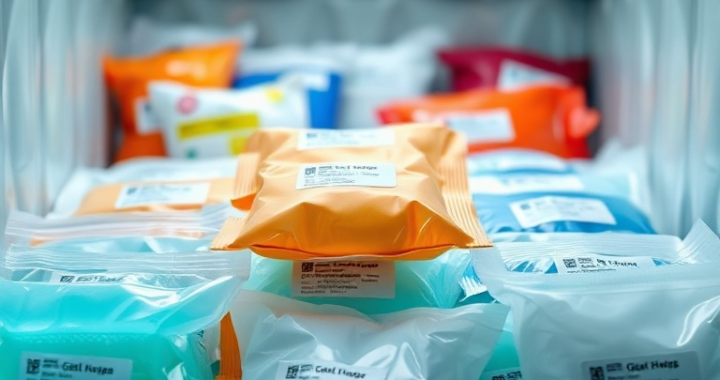
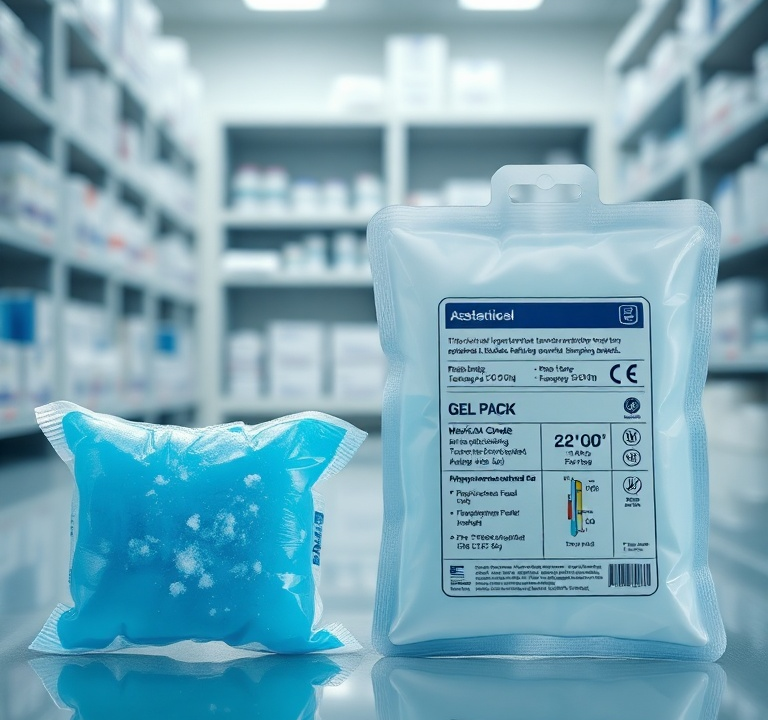
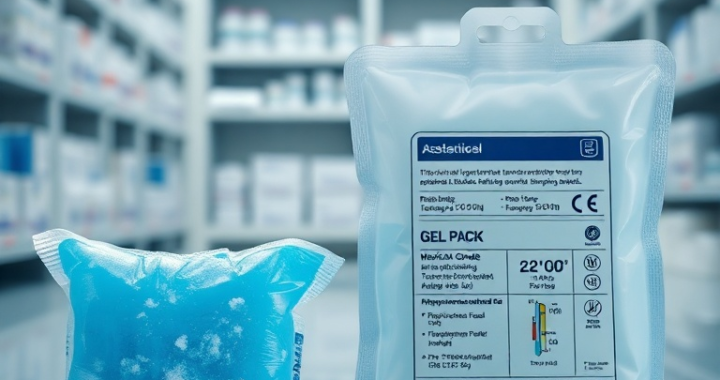
This is where the distinction between a regular picnic cooler ice pack and a pharmaceutical-grade ice pack becomes critical. Pharmaceutical-grade ice packs are engineered with specific scientific principles to provide stable and controlled temperature maintenance. They are not simply frozen water; they often contain phase change materials (PCMs) or gels designed to freeze and thaw at precise temperatures, ensuring a consistent thermal environment for sensitive medications.
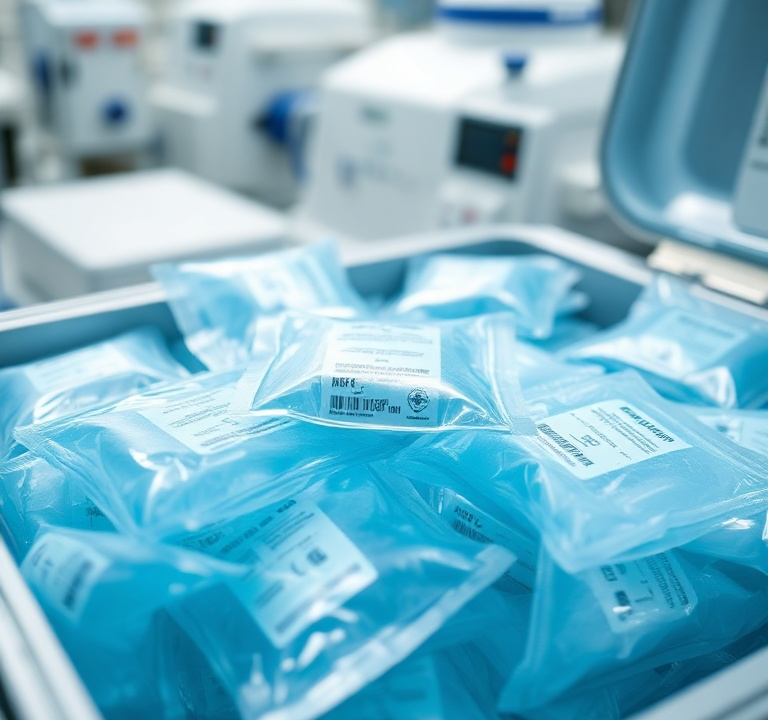
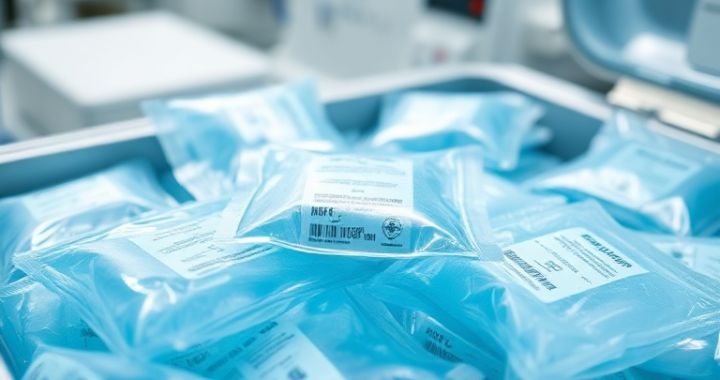
These specialized ice packs are rigorously tested and validated to perform under various conditions. They are non-toxic, durable, and designed to prevent direct contact freezing of temperature-sensitive items, which can be just as damaging as excessive heat. Their role extends across the entire cold chain, from bulk shipping of pharmaceuticals to individual patient deliveries, ensuring that the integrity of the medication is preserved at every step. This precise engineering is fundamental to answering: Are Your Medications maintaining their intended quality?
Beyond Just “Cold”: Precision and Consistency in Temperature Control
The science behind pharmaceutical-grade ice packs goes far beyond merely keeping things “cold.” Many medications require specific temperature ranges, such as 2-8°C (36-46°F) for refrigeration, or even ultra-cold conditions for certain vaccines. Regular ice can often freeze products, causing damage to delicate biological structures. Pharmaceutical-grade PCMs, however, are formulated to maintain these narrow temperature windows for extended periods.
These materials absorb and release latent heat as they change phase (from solid to liquid or vice versa), providing a stable thermal buffer. This controlled phase change prevents temperature spikes or drops, offering a far more consistent and reliable environment than conventional ice. The precision these packs offer is indispensable, especially when transport times are long or ambient temperatures are extreme. Without such precision, the question of Are Your Medications truly effective remains open.
Are Your Medications at Home or On the Go? Best Practices for Cold Chain Management
While manufacturers and distributors bear a significant responsibility, consumers also play a vital role in maintaining the cold chain once medications reach their doorstep. Knowing how to handle and store your temperature-sensitive drugs is crucial for their efficacy and your safety.
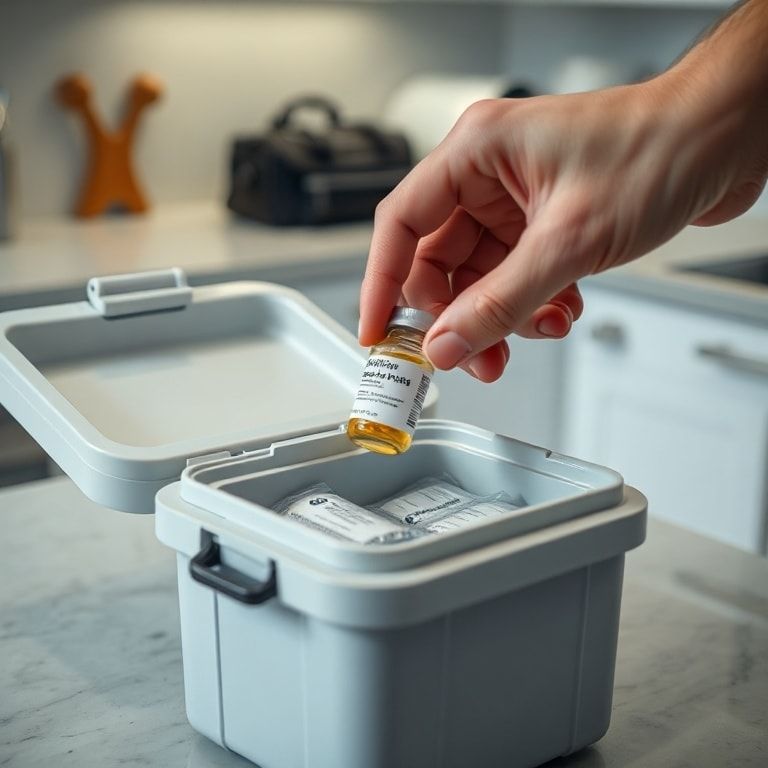
When you receive a medication that requires refrigeration, act promptly. Open the package immediately and transfer the medication to your refrigerator. Do not leave it sitting on your porch or countertop. If you’re traveling, especially for extended periods, investing in a small, pharmaceutical-grade cooler with appropriate ice packs can be a lifesaver. Always consult your pharmacist or doctor about specific storage requirements and handling instructions for your prescriptions. They can provide tailored advice to ensure Are Your Medications stored correctly in your home environment.
What to Look For: Identifying Reliable Cold Chain Solutions
For individuals and smaller clinics managing temperature-sensitive medications, choosing the right cold chain solutions is key. Look for products that are validated and certified to meet industry standards, such as those set by regulatory bodies like the FDA or international health organizations. These certifications indicate that the products have undergone rigorous testing to ensure their performance.
Consider the duration for which the temperature needs to be maintained. Some solutions are designed for short transit times, while others can sustain critical temperatures for several days. Reputable suppliers will provide data sheets and performance specifications for their cold chain packaging. Additionally, incorporating temperature monitoring devices, such as data loggers, can provide an extra layer of assurance, allowing you to track the temperature history of your medications. This vigilance helps ensure Are Your Medications protected at all times.
The Broader Impact: Are Your Medications Part of a Larger Public Health Effort?
The integrity of the pharmaceutical cold chain extends far beyond individual prescriptions; it is a cornerstone of global public health. The successful distribution of vaccines during pandemics, the ongoing fight against chronic diseases like diabetes and autoimmune disorders, and the availability of life-saving biologics all hinge on effective cold chain management. When the cold chain fails, the ripple effects can be devastating, leading to widespread health risks and significant economic losses from spoiled products.
Consider the vast logistical networks required to deliver vaccines to remote areas, often involving multiple transfers and varying environmental conditions. Pharmaceutical-grade ice packs and robust cold chain protocols are the silent heroes enabling these critical public health initiatives. Moreover, as telemedicine and direct-to-consumer prescription delivery become more prevalent, the importance of reliable cold chain solutions for the “last mile” delivery only grows. This collective effort ensures that Are Your Medications contributing to the well-being of entire communities.
Economic and Environmental Considerations of Cold Chain Integrity
Beyond the immediate health implications, cold chain failures have substantial economic and environmental costs. Spoiled medications represent not only a loss of investment in research, development, and manufacturing but also a waste of scarce resources. The disposal of degraded pharmaceuticals also carries environmental consequences. By investing in robust cold chain solutions, including high-quality pharmaceutical-grade ice packs, we can minimize waste, optimize resource utilization, and contribute to a more sustainable healthcare system. Research continues to refine these systems, ensuring that Are Your Medications delivered efficiently and responsibly.
Authoritative sources, such as the World Health Organization (WHO) and various pharmaceutical associations, consistently emphasize the critical need for robust cold chain practices. Studies frequently highlight the financial burden and public health risks associated with cold chain breaches, underscoring why every effort to maintain temperature integrity is a worthwhile investment.
Conclusion: Ensuring Your Medication’s Safety
The journey of your medication from production to consumption is far more complex than it appears, with cold chain integrity playing a pivotal role in its safety and effectiveness. Pharmaceutical-grade ice packs are not mere accessories; they are essential components of a sophisticated system designed to protect delicate drugs from harmful temperature excursions. Understanding their importance empowers you as a patient to ask informed questions and take proactive steps in safeguarding your health.
So, the next time you receive a temperature-sensitive prescription, remember the crucial role of the cold chain and the specialized tools that protect it. Don’t leave its safety to chance. Be vigilant, understand storage requirements, and when in doubt, always consult your healthcare provider or pharmacist. By doing so, you ensure that Are Your Medications always performing at their peak, delivering the therapeutic benefits you need and deserve. Prioritize the safety of your medications – your health depends on it.