


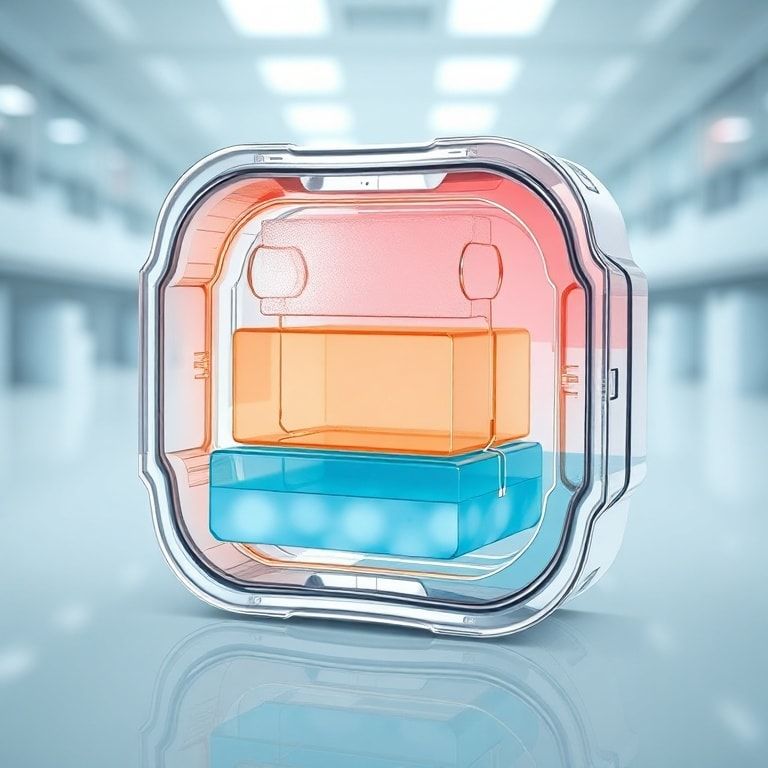
In the vast and intricate world of modern medicine, countless innovations work tirelessly behind the scenes to safeguard our health. While we often focus on groundbreaking surgeries, revolutionary drugs, or advanced diagnostic tools, there are many unsung heroes whose contributions are equally vital, yet often go unnoticed. Among these are advanced medical gel packs – the **unseen** guardians that play a critical role in preserving the potency and efficacy of your most crucial medications.
These unassuming packs are far more sophisticated than a simple bag of ice. They are engineered with precision, leveraging advanced science to maintain specific temperature ranges essential for pharmaceutical integrity. Understanding their intricate function reveals a hidden layer of protection that ensures treatments like vaccines, insulin, and life-saving biologics reach patients exactly as intended, every single time. Let’s delve into the vital work of these silent protectors.
The Unseen Battle: Why Temperature Matters for Medications
The effectiveness of many medications hinges critically on their storage conditions. Even slight deviations from recommended temperatures can compromise their chemical structure, rendering them ineffective or, in some cases, even harmful. This delicate balance creates an **unseen** battle against environmental factors.
The Fragile Nature of Pharmaceuticals
Many modern medications, especially biologics and vaccines, are composed of complex protein molecules or live attenuated viruses. These structures are incredibly sensitive to heat, cold, and even light. Exposure to extreme temperatures can cause these delicate molecules to denature, aggregate, or degrade, losing their therapeutic properties.
Consider insulin, a life-saving medication for diabetics. If it gets too hot, its protein structure can break down, reducing its ability to regulate blood sugar. Conversely, if it freezes, its efficacy can also be severely diminished, potentially leading to dangerous health outcomes for patients. The consequences of such degradation are profound, extending beyond just financial waste to direct patient harm.
Understanding the Cold Chain
The “cold chain” refers to the temperature-controlled supply chain that ensures perishable products, including pharmaceuticals, are maintained within a specific temperature range from the point of manufacture to the point of use. This continuous, unbroken sequence of refrigerated production, storage, and distribution is paramount for critical medications.
A break in this chain, even for a short period, can have catastrophic effects. Imagine a batch of vaccines losing potency during transit due to inadequate temperature control; this could compromise public health initiatives on a massive scale. Reliable cold chain management, therefore, is an **unseen** yet fundamental pillar of global healthcare infrastructure, protecting public health at every step.
Unveiling the Technology: How Medical Gel Packs Work
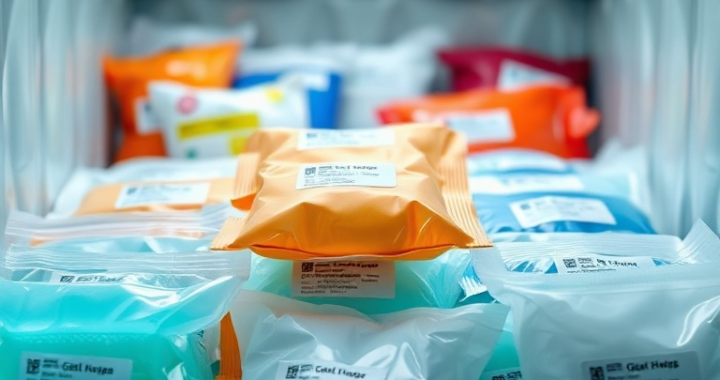
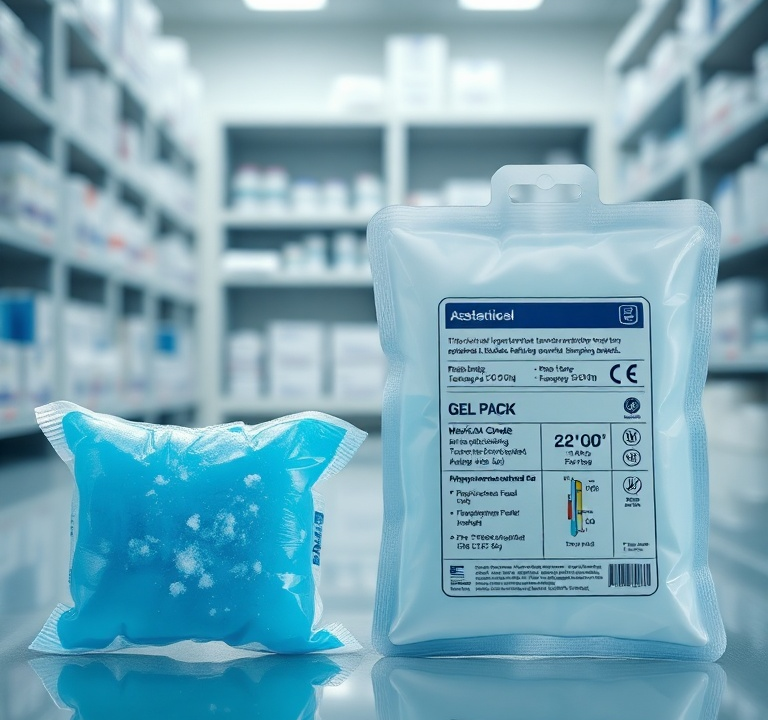
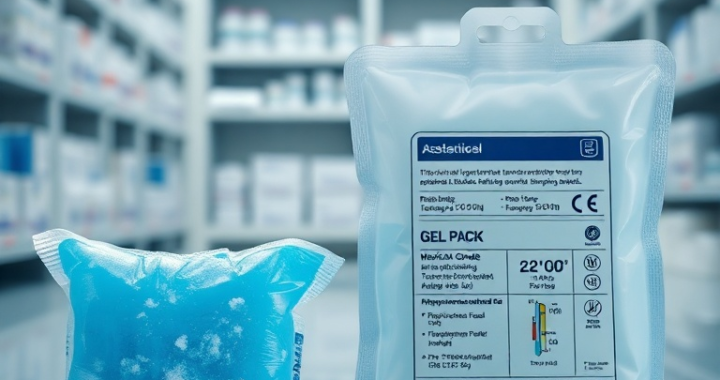
Far from being mere frozen water, advanced medical gel packs are sophisticated pieces of engineering designed for precise temperature regulation. Their true genius lies in their ability to absorb or release thermal energy, maintaining a stable microenvironment for sensitive pharmaceuticals. This often **unseen** technology is crucial for maintaining medication efficacy.
More Than Just Ice: The Science Behind the Gel
The secret to these gel packs lies in their use of Phase Change Materials (PCMs). Unlike water, which simply melts from ice to liquid at 0°C (32°F), PCMs are formulated to change phase (solid to liquid or vice versa) at specific, predetermined temperatures. During this phase change, they absorb or release a large amount of latent heat without significantly changing their own temperature.
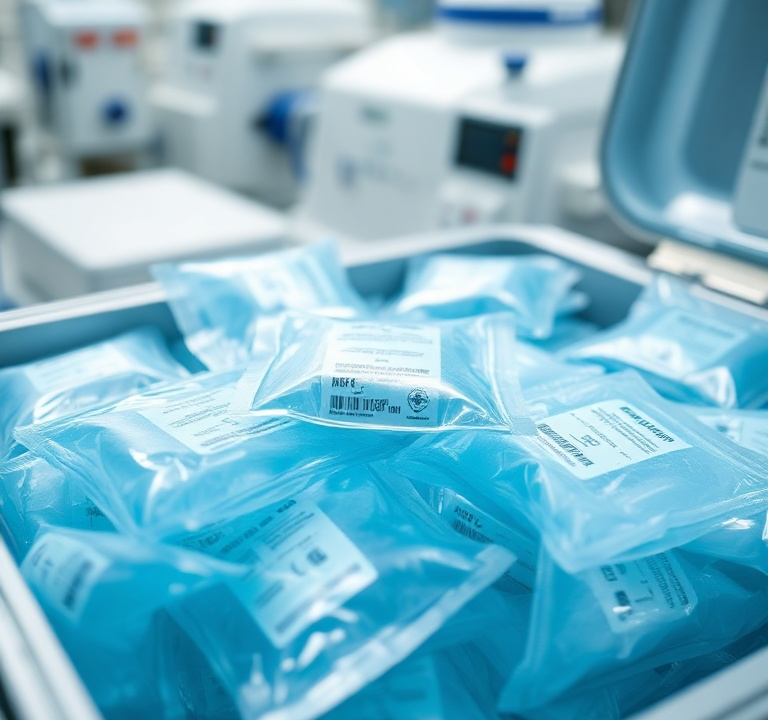
This property allows them to act as thermal buffers, stabilizing the temperature inside a container for extended periods. For instance, a PCM designed for refrigerated medications might maintain a consistent 2-8°C (35-46°F) range, protecting against both freezing and overheating. Different formulations exist for frozen, refrigerated, and even controlled room temperature applications, each tailored to specific drug requirements.
Design and Engineering for Precision
The effectiveness of medical gel packs also stems from their meticulous design and the materials used. They are typically made from non-toxic, durable materials that can withstand repeated use and harsh transportation conditions. The gels themselves often contain water, polymers, and other additives to achieve the desired phase change characteristics and stability.
Engineers consider factors like the volume of the gel, its specific heat capacity, and the thermal insulation of the packaging it will accompany. This integrated approach ensures that the entire system—the cooler, the gel packs, and the insulation—works harmoniously to provide optimal temperature control. The precision in their design is an **unseen** marvel of material science.
The new generation of medical gel packs often features specialized designs to maximize surface area contact with medication containers, further enhancing thermal transfer efficiency. This optimized contact ensures that temperature fluctuations are minimized, providing a consistent and protective environment for pharmaceuticals. The intricate internal structure and material composition are often overlooked but are critical to their performance.
The Unseen Impact: Preserving Potency and Saving Lives
The quiet efficiency of medical gel packs has a profound and far-reaching impact on global health. They are instrumental in ensuring that life-saving treatments remain viable, reaching individuals who depend on them, regardless of location or circumstance. Their role is often **unseen** but undeniably critical.
Ensuring Efficacy: From Lab to Patient
Every dollar invested in pharmaceutical research and development, every hour spent in clinical trials, culminates in a medication designed to improve or save lives. Medical gel packs are the final line of defense in preserving this immense investment and the promise it holds. They maintain the active ingredient integrity, ensuring that when a patient receives a dose, it delivers the full therapeutic effect.
Without reliable temperature control, millions of dollars worth of critical medications could be rendered useless, leading to immense waste and, more importantly, jeopardizing patient health outcomes. Examples abound: vaccines for infectious diseases, delicate chemotherapy drugs, and complex biologics used in treating autoimmune conditions all rely heavily on stringent temperature management throughout their journey from manufacturing facilities to hospitals, pharmacies, and even patients’ homes. For more information on pharmaceutical logistics, you might consult industry standards set by organizations like the World Health Organization.
Global Health and Humanitarian Aid
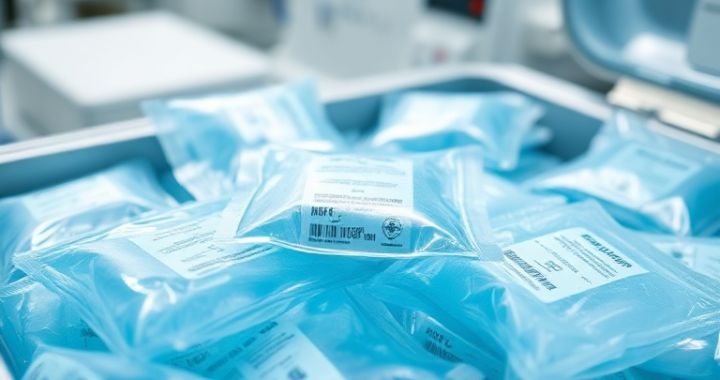
In remote villages, disaster zones, or regions with unreliable infrastructure, the challenge of maintaining a cold chain is significantly amplified. This is where the robust and reliable performance of medical gel packs truly shines. They enable humanitarian organizations to transport vital medications, including vaccines and antivenoms, to areas that would otherwise be inaccessible for temperature-sensitive deliveries.
These packs become **unseen** heroes in challenging environments, bridging the gap between advanced medical science and populations in desperate need. Their ability to provide stable temperature control for extended periods, often without electricity, is indispensable for global health equity. They empower medical professionals to deliver care where it’s needed most, safeguarding the health of vulnerable communities around the world.
Beyond the Obvious: Advanced Features and Future Unseen Innovations
The evolution of medical gel pack technology continues, pushing boundaries to offer even greater reliability, intelligence, and sustainability. The future promises even more sophisticated, yet still largely **unseen**, advancements.
Smart Gel Packs and Monitoring
The integration of technology into cold chain solutions is rapidly advancing. Modern medical packaging often includes smart sensors, such as temperature loggers and RFID tags, that can monitor environmental conditions in real-time. When paired with advanced gel packs, these systems provide an **unseen** layer of data and accountability.
These smart solutions can record temperature fluctuations throughout transit, alerting logistics providers to potential issues before they compromise medication. Some even offer predictive analytics, using historical data to optimize routes and packaging for future shipments. This ensures a level of oversight and control previously unimaginable, significantly reducing the risk of cold chain breaches. Companies specializing in cold chain monitoring often provide detailed case studies and data, which can be found on their respective websites.
Sustainability and Eco-Friendly Solutions
As environmental concerns grow, the medical packaging industry is increasingly focusing on sustainable solutions. Future **unseen** innovations in gel pack technology include the development of reusable and recyclable materials, reducing waste and minimizing the environmental footprint of pharmaceutical distribution.
Researchers are exploring biodegradable PCMs and innovative packaging designs that require less material while maintaining superior thermal performance. This commitment to sustainability ensures that while we protect human health, we also minimize our impact on the planet, creating a more responsible and eco-conscious cold chain for the future. You can often find research papers on sustainable packaging through academic databases or environmental science journals.
Conclusion
From the delicate proteins of a vaccine to the life-sustaining power of insulin, critical medications rely on a complex network of protection to maintain their efficacy. At the heart of this network, working silently and diligently, are advanced medical gel packs – the **unseen** guardians of pharmaceutical integrity. They are far more than just cooling elements; they are scientifically engineered solutions that bridge the gap between pharmaceutical innovation and patient well-being.
Their precision in temperature control ensures that every dose delivered is as potent and effective as intended, saving lives and preventing countless adverse health outcomes. As technology advances, these **unseen** wonders will only become more sophisticated, offering smarter, more sustainable, and even more reliable protection. Next time you encounter a medication that requires refrigeration, take a moment to appreciate the sophisticated, **unseen** science working tirelessly to keep you safe and healthy. Explore how these hidden gems continue to revolutionize healthcare logistics and contribute to a healthier world. Consider supporting initiatives that promote cold chain innovation and sustainable medical packaging.