





The pursuit of human potential often involves overcoming formidable obstacles, pushing boundaries, and ensuring that the tools we rely upon are robust enough to meet the challenges of a complex world. In the realm of public health and medicine, this pursuit is embodied in the meticulous care taken to preserve life-saving treatments. While refrigerators and freezers are the frontline defenders, their capabilities are often limited by infrastructure and mobility. This is where innovation steps in, taking us beyond conventional cooling methods to guarantee the integrity of pharmaceuticals and, crucially, the safety of vaccines.
The journey of a vaccine, from its manufacturing plant to the arm of a patient, is a perilous one, fraught with temperature fluctuations that can render it ineffective. Similarly, many critical pharmaceutical products require precise temperature control to maintain their therapeutic properties. The integrity of these vital medical supplies is non-negotiable, directly impacting patient outcomes and public trust. Understanding the sophisticated mechanisms that protect these delicate biological substances is key to appreciating how we unlock the full potential of modern medicine.
The Imperative of the Cold Chain: Ensuring Safety Beyond the Lab
The “cold chain” refers to the temperature-controlled supply chain that keeps perishable products, like vaccines and certain medications, within a safe temperature range from the point of manufacture to the point of administration. This unbroken chain is absolutely vital because deviations can lead to irreversible damage, reducing potency or even making the product harmful. For vaccines, maintaining efficacy is paramount; a compromised vaccine offers no protection and wastes precious resources.
Historically, maintaining this chain, particularly in remote areas or during transport, has presented significant logistical hurdles. Traditional ice, while effective for short periods, comes with drawbacks such as melting, water leakage, and inconsistent temperature maintenance. These issues necessitated a more advanced, reliable solution that could perform consistently, even in challenging environments, allowing medical professionals to reach populations far beyond easily accessible clinics.
Traditional Challenges and the Need for Solutions Beyond Basic Cooling
The challenges associated with the cold chain extend far beyond just keeping things cold. Issues such as power outages, extended transit times, varying ambient temperatures, and the need for portability all contribute to the complexity. In regions with limited infrastructure, the reliance on electricity for refrigeration is often impractical or impossible. This creates significant gaps in vaccine delivery and pharmaceutical distribution, leaving vulnerable populations at risk.
Furthermore, the specific temperature requirements for different medical products vary widely. Some vaccines need to be kept frozen, others refrigerated, and some must avoid freezing entirely. A one-size-fits-all approach to cooling simply doesn’t work. This intricate dance of temperature control demands precise and adaptable solutions that can cater to diverse needs, pushing us to look for methods beyond simple refrigeration.
Beyond Traditional Ice: The Science of Medical Gel Packs
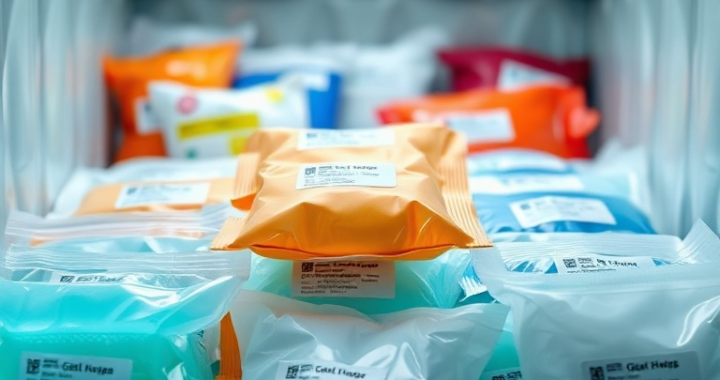
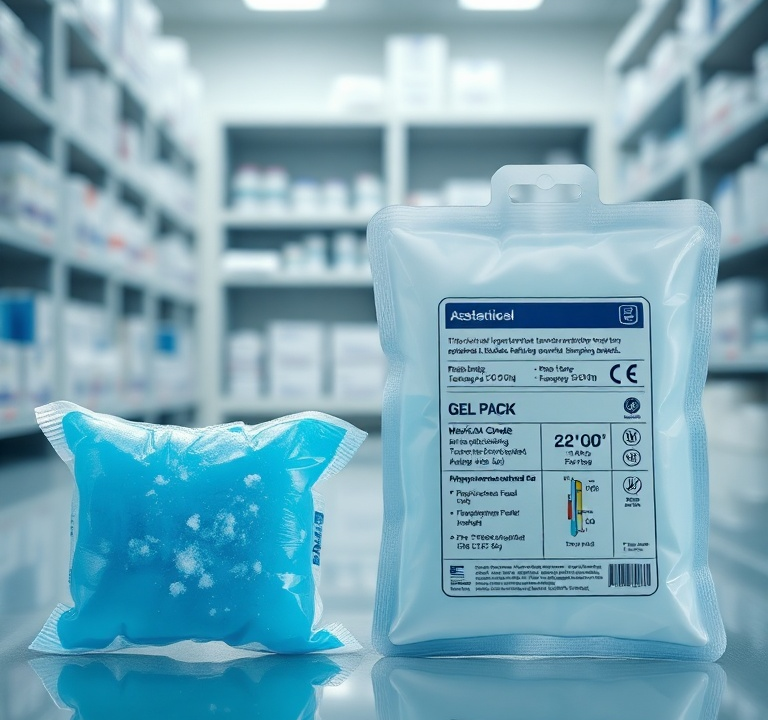
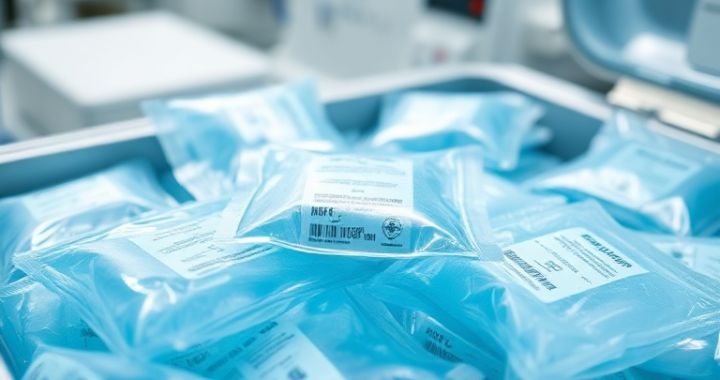
Medical gel packs represent a significant leap forward in cold chain management, offering a superior alternative to conventional ice. These sophisticated cooling elements are designed to maintain specific temperatures for extended periods, without the drawbacks of melting ice. Their effectiveness lies in the science of phase change materials (PCMs) contained within a durable, leak-proof casing.
Unlike water, which melts at 0°C (32°F), PCMs can be engineered to change phase (from solid to liquid or vice versa) at specific temperatures. This allows gel packs to release or absorb latent heat at a constant temperature, providing a much more stable thermal environment for sensitive medical products. This precise temperature control is crucial for safeguarding the integrity of vaccines and pharmaceuticals, enabling their safe transport and storage beyond what was previously possible.
Types of Medical Gel Packs and Their Applications Beyond Standard Use
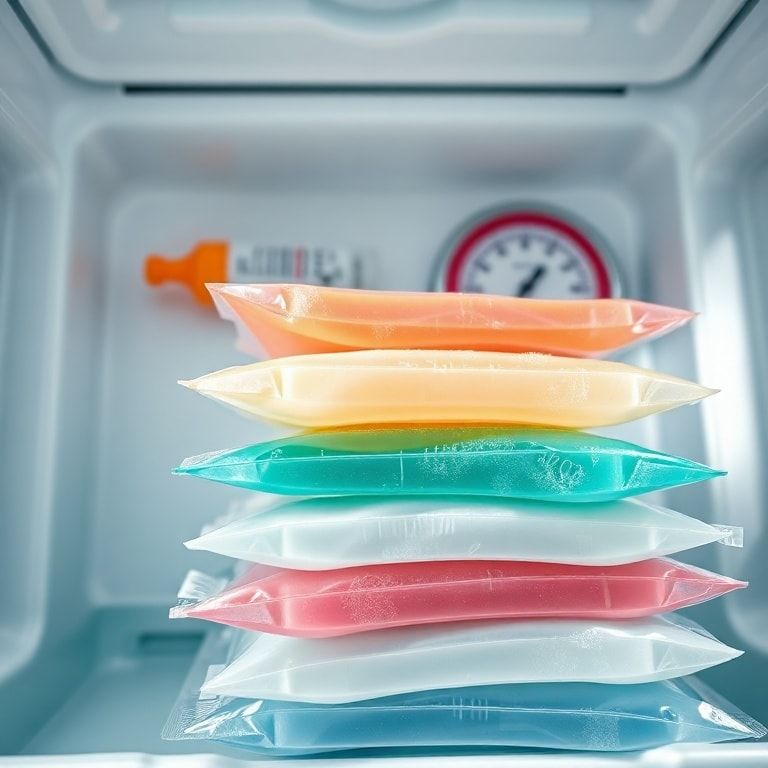
The versatility of medical gel packs is evident in the variety of types available, each tailored for specific temperature ranges and applications. Some gel packs are designed for frozen temperatures (e.g., -20°C or colder), ideal for mRNA vaccines that require ultra-cold storage. Others maintain refrigerated temperatures (e.g., +2°C to +8°C), suitable for a wide range of common vaccines and biologics.
There are also specialized “controlled room temperature” (CRT) gel packs that keep products within a specific non-refrigerated range, preventing exposure to extreme heat or cold. This adaptability means that medical gel packs can be deployed in diverse scenarios, from long-haul international shipping of vaccines to local distribution of temperature-sensitive medications to patient homes. Their application extends far beyond just emergency transport, becoming an integral part of routine medical logistics.
Ensuring Vaccine Efficacy: A Deeper Dive Beyond Basic Storage
Vaccine efficacy is directly linked to its stability, which is highly dependent on temperature. Exposure to temperatures outside the recommended range can degrade the antigens within the vaccine, rendering it less effective or even completely inert. This not only wastes valuable doses but also puts individuals at risk of preventable diseases, undermining public health efforts. Medical gel packs play a pivotal role in preventing such degradation.
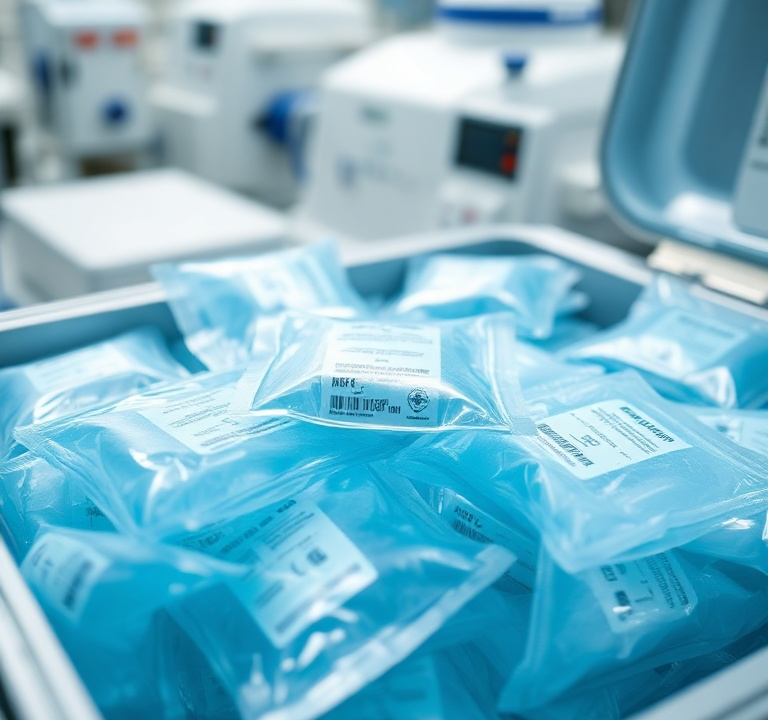
By maintaining a consistent and precise temperature, gel packs ensure that vaccines retain their full potency throughout their journey. This includes transport from manufacturing facilities to central warehouses, from warehouses to regional distribution centers, and finally, to clinics, pharmacies, or even mobile vaccination units in remote areas. The reliability offered by these gel packs means that every dose delivered has the best chance of providing the intended protection, taking vaccine distribution capabilities far beyond static refrigeration points.
Maintaining Pharmaceutical Integrity Beyond Vaccines
While vaccines often take center stage in cold chain discussions, a vast array of other pharmaceutical products also require stringent temperature control. Biologics, insulin, certain antibiotics, chemotherapy drugs, and specialized laboratory reagents are all sensitive to temperature fluctuations. The degradation of these products can lead to reduced therapeutic effect, increased side effects, or even toxicity.
Medical gel packs are indispensable in protecting the integrity of these diverse pharmaceuticals. They are used in clinical trials to ensure the stability of investigational drugs, in hospital pharmacies for storing critical medications, and by patients themselves for transporting temperature-sensitive prescriptions. This broad application underscores their importance in maintaining the quality and safety of the entire pharmaceutical supply chain, securing patient health far beyond the immediate need for vaccinations.
The Economic and Public Health Impact: Reaching Beyond Limitations
The impact of reliable cold chain solutions, powered by medical gel packs, extends far beyond individual doses or specific medications. Economically, preventing spoilage of vaccines and pharmaceuticals saves billions of dollars annually in lost product and reprocessing costs. Every spoiled dose represents a financial loss, but more importantly, a missed opportunity for health intervention.
From a public health perspective, the ability to safely transport and store temperature-sensitive medical supplies to any location, regardless of infrastructure, is transformative. It enables vaccination campaigns in underserved communities, facilitates the rapid deployment of emergency medical supplies during crises, and supports global health initiatives aimed at eradicating diseases. This expanded reach means that life-saving treatments can literally go anywhere they are needed, unlocking the potential for better health outcomes for millions globally. Consider the implications for global disease eradication efforts, where reaching the last mile is often the most challenging. [Link to WHO guidelines on cold chain management].
Future Innovations and the Road Beyond
The field of cold chain logistics is continuously evolving, with ongoing research and development aimed at making medical gel packs even more efficient, sustainable, and versatile. Innovations include gel packs with even longer thermal retention times, lighter materials for reduced shipping costs, and advanced monitoring technologies integrated directly into packaging. The goal is to create truly smart cold chain solutions that can adapt to ever-changing global health demands.
Sustainable practices are also a growing focus, with efforts to develop reusable and recyclable gel packs, minimizing environmental impact. As global health challenges evolve, from new pandemics to the increasing complexity of biologics, the role of these seemingly simple yet scientifically advanced cooling elements will only grow. The journey to unlock the full potential of global health requires constant innovation, pushing us ever beyond current capabilities.
Conclusion: Unlocking Potential Beyond Expectations
The integrity of vaccines and pharmaceuticals is a cornerstone of modern healthcare, directly influencing our collective ability to combat disease and improve quality of life. Medical gel packs, often overlooked, are quiet heroes in this endeavor, providing the precise and reliable temperature control essential for safeguarding these vital medical supplies. Their scientific design allows us to extend the reach of life-saving treatments far beyond the confines of traditional refrigeration, ensuring that every dose and every medication retains its intended potency.
By understanding and appreciating the critical role of these advanced cooling solutions, we gain insight into the meticulous efforts required to maintain public health and unlock the true potential of medical innovation. The ability to deliver effective treatments, regardless of geographical or infrastructural limitations, empowers communities and strengthens global health security. As we continue to face new health challenges, the ongoing development and strategic deployment of solutions like medical gel packs will remain instrumental in our shared journey towards a healthier future. To learn more about how these innovations are shaping global health, explore reports from leading pharmaceutical logistics experts and public health organizations. [Link to a relevant industry report or scientific study on cold chain innovation].