








Title: Unveiling the Wonders of Science
In today’s world, advancements in science have led to innovative ways to manage chronic pain, one of which is through cryotherapy. Cryotherapy, also known as cold therapy, involves exposing the body to extremely cold temperatures for short periods. This treatment has gained popularity for its potential benefits in reducing inflammation, improving recovery, and managing pain. Let’s delve into the science behind cryotherapy and how it can help individuals dealing with chronic pain.
Understanding the Science Behind Cryotherapy
The concept of using cold temperatures for therapeutic purposes dates back centuries, with cold packs and ice baths being common practices. Cryotherapy takes this idea to the next level by utilizing specialized chambers or localized devices to expose the body to temperatures as low as -200 degrees Fahrenheit. This extreme cold triggers a series of physiological responses in the body, leading to various therapeutic effects.
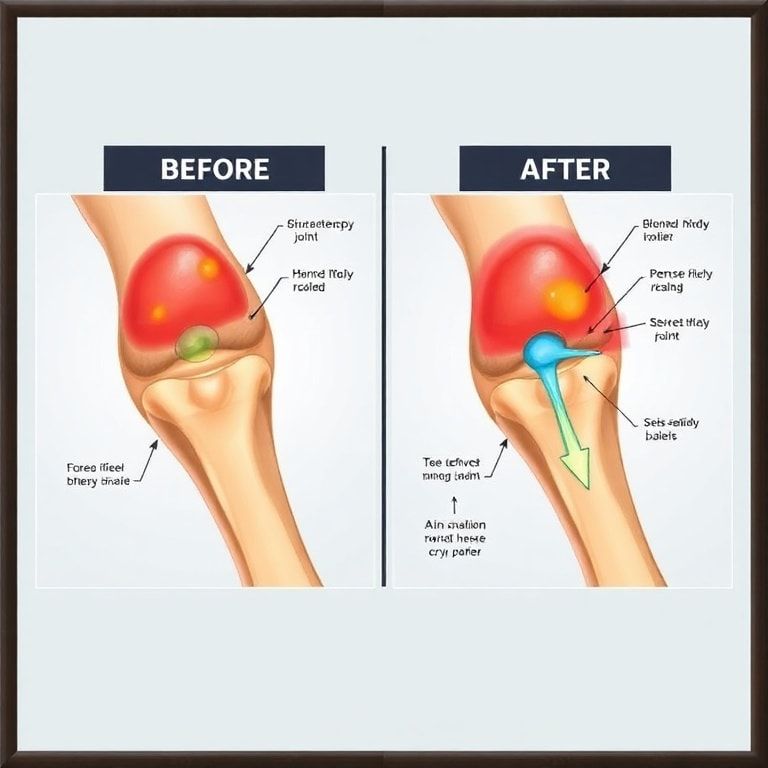
One of the primary mechanisms behind cryotherapy’s pain-relieving properties is its ability to constrict blood vessels, reducing blood flow to a specific area. This vasoconstriction helps numb nerve endings, decreasing pain signals sent to the brain. Additionally, the cold temperature can decrease inflammation by slowing down the metabolic rate of cells, thereby reducing swelling and discomfort.
Furthermore, cryotherapy stimulates the release of endorphins, which are natural painkillers produced by the body. These endorphins not only help alleviate pain but also promote a sense of well-being and relaxation. By targeting multiple pathways involved in pain perception, cryotherapy offers a holistic approach to managing chronic pain.
The Role of Cryotherapy in Managing Chronic Pain
Chronic pain conditions, such as arthritis, fibromyalgia, and lower back pain, can significantly impact an individual’s quality of life. Traditional treatments like medication and physical therapy may provide relief, but some individuals seek alternative options to complement their existing regimen. Cryotherapy offers a non-invasive, drug-free solution that can be used in conjunction with other therapies to enhance pain management.
Research has shown promising results regarding the effectiveness of cryotherapy in managing chronic pain. A study published in the Journal of Athletic Training found that cryotherapy reduced pain intensity and improved functional outcomes in individuals with musculoskeletal injuries. Another study in the Journal of Alternative and Complementary Medicine reported that cryotherapy was effective in reducing pain and stiffness in patients with rheumatoid arthritis.
Moreover, cryotherapy has been used by athletes and fitness enthusiasts to accelerate recovery after intense physical activity. By reducing inflammation and muscle soreness, cryotherapy helps individuals recover faster and return to their training routine sooner. This is particularly beneficial for athletes who engage in high-impact sports or endurance events.
Incorporating Cryotherapy into Your Pain Management Plan
If you are considering incorporating cryotherapy into your pain management plan, it is essential to consult with a healthcare provider or cryotherapy specialist. They can assess your individual needs, recommend the appropriate treatment protocol, and ensure your safety throughout the process. Additionally, it is crucial to follow the guidelines provided during the session to maximize the benefits of cryotherapy and minimize any potential risks.
In conclusion, the science behind cryotherapy reveals its potential as a valuable tool in managing chronic pain. By harnessing the power of cold temperatures to reduce inflammation, numb pain receptors, and promote the release of endorphins, cryotherapy offers a natural and effective approach to pain relief. Whether you are dealing with arthritis, sports injuries, or general discomfort, exploring the benefits of cryotherapy may provide the relief you seek. Embrace the wonders of science and discover a new way to manage chronic pain effectively.