





Title: Unlocking the Science Behind Cold: How It Affects Your Body
Have you ever wondered about the science behind cold therapy and how freezing temperatures can actually help relieve pain and inflammation in the body? In this article, we will delve into the fascinating world of cold therapy and explore the various ways in which cold temperatures can positively impact our health and well-being.
Cold therapy, also known as cryotherapy, has been used for centuries as a natural remedy for a wide range of ailments. From reducing muscle soreness after intense exercise to alleviating joint pain and swelling, the benefits of cold therapy are vast and well-documented. But how exactly does exposure to cold temperatures work to relieve pain and inflammation in the body?
When our bodies are exposed to cold temperatures, several physiological responses are triggered. One of the primary ways in which cold therapy works is by constricting blood vessels, which helps to reduce swelling and inflammation in the affected area. Additionally, cold temperatures can help to numb nerve endings, providing temporary relief from pain and discomfort.
Incorporating cold therapy into your wellness routine can have a number of positive effects on your overall health. Whether you choose to take a cold shower after a workout, apply an ice pack to a sore muscle, or immerse yourself in a cold plunge pool, the benefits of cold therapy are undeniable. Not only can cold therapy help to reduce pain and inflammation, but it can also improve circulation, boost immune function, and enhance overall well-being.
To better understand the science behind cold therapy, let’s take a closer look at how freezing temperatures affect the body on a cellular level. When exposed to cold temperatures, our bodies go into a state of vasoconstriction, where blood vessels narrow in order to conserve heat. This process helps to reduce blood flow to the affected area, which in turn can help to decrease swelling and inflammation.
In addition to vasoconstriction, cold therapy can also stimulate the production of endorphins, which are the body’s natural painkillers. Endorphins are neurotransmitters that help to block pain signals in the brain, providing a sense of relief and well-being. By triggering the release of endorphins, cold therapy can help to alleviate pain and promote relaxation.
Furthermore, cold therapy has been shown to have anti-inflammatory effects on the body. By reducing the production of inflammatory molecules and enzymes, cold temperatures can help to decrease swelling and pain in the affected area. This can be particularly beneficial for individuals suffering from conditions such as arthritis, tendonitis, or bursitis.
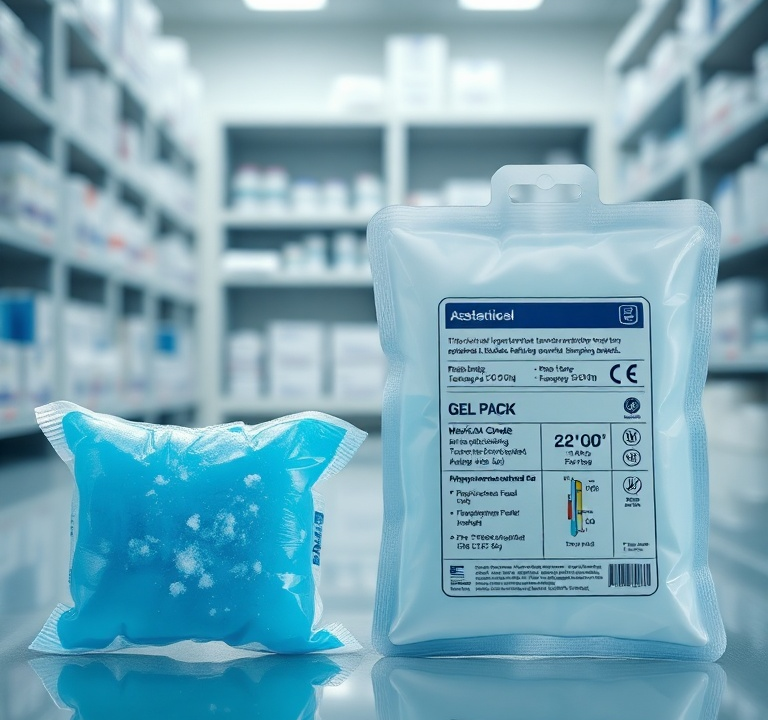
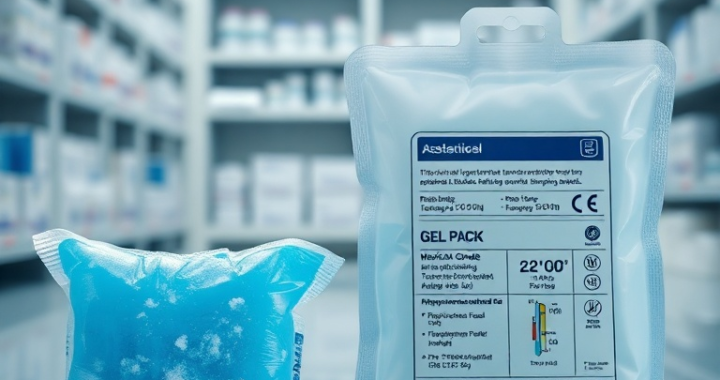
Incorporating cold therapy into your daily routine can be as simple as applying an ice pack to a sore muscle or taking a cold shower after a workout. For more intense cold therapy treatments, you may consider immersing yourself in a cold plunge pool or undergoing whole-body cryotherapy sessions. Whatever method you choose, the key is to listen to your body and pay attention to how it responds to the cold temperatures.
In conclusion, the science behind cold therapy is truly fascinating and offers a wealth of benefits for our health and well-being. By understanding how freezing temperatures can affect the body on a cellular level, we can harness the power of cold therapy to relieve pain, reduce inflammation, and promote overall wellness. So the next time you’re feeling sore or achy, consider giving cold therapy a try – your body will thank you for it.