





Decoding Cold Chain: The Essential Guide
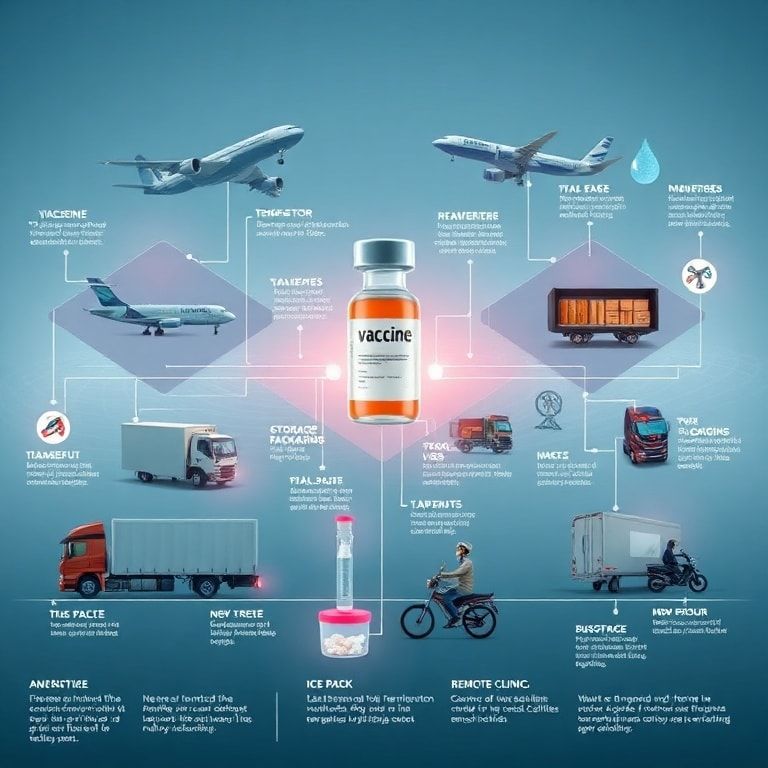
The journey of life-saving vaccines from manufacturer to patient is a marvel of modern logistics, a complex ballet performed under stringent temperature controls. This intricate system is known as the cold chain, and its integrity is paramount to public health worldwide. When we talk about **Decoding Cold Chain**, we’re delving into the critical processes, technologies, and innovations that ensure these delicate biological products remain potent and effective, even in the most challenging environments. The stability of vaccines, particularly in extreme conditions, hinges on the reliability of every link in this chain, with next-gen medical ice packs playing an increasingly vital role.
The global demand for vaccines, from routine childhood immunizations to emergency pandemic responses, has spotlighted the vulnerabilities and strengths of existing cold chain infrastructure. Maintaining precise temperature ranges – typically between 2°C and 8°C – is non-negotiable for most vaccines. Any deviation can lead to degradation, rendering the vaccine useless and potentially endangering lives. This blog post will explore how cutting-edge technology, especially in the realm of medical ice packs, is revolutionizing vaccine stability and making robust cold chain management achievable globally.
The Imperative of Decoding Cold Chain for Vaccine Efficacy
The efficacy of a vaccine is directly tied to its stability, which is, in turn, dictated by its exposure to temperature. Vaccines are biological substances, susceptible to degradation when exposed to temperatures outside their specified range. This degradation can reduce or completely eliminate their ability to stimulate an immune response, making vaccination ineffective. The World Health Organization (WHO) estimates that up to 50% of vaccines globally may be wasted due to temperature excursions, underscoring the urgent need for robust cold chain solutions.
Understanding the nuances of **Decoding Cold Chain** is not just a technical exercise; it’s a public health imperative. Every failed dose represents a missed opportunity to protect someone from preventable disease and a waste of valuable resources. From manufacturing facilities in developed nations to remote villages with limited infrastructure, the cold chain must hold firm. This global challenge demands innovative solutions that can adapt to diverse logistical landscapes and extreme climatic conditions.
Traditional Cold Chain Challenges: Why Innovation is Key
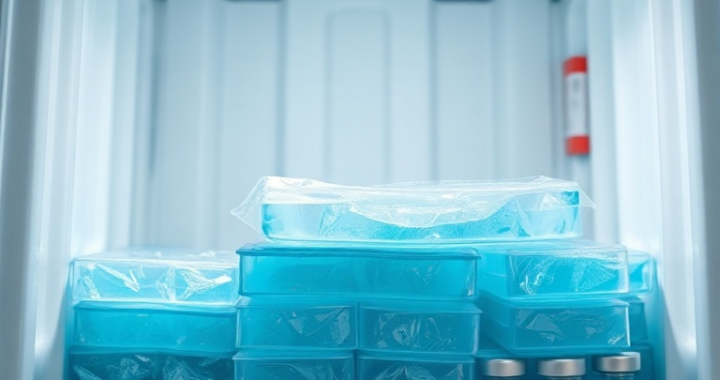
For decades, the standard approach to maintaining vaccine temperatures relied heavily on conventional water-based ice packs and refrigerated transport. While effective in controlled environments, these methods face significant limitations when confronted with the realities of global distribution, especially in low-resource settings or during “last-mile” delivery. Traditional ice packs often lead to freezing temperatures, which can be just as damaging to many vaccines as excessive heat. This “freeze-thaw” cycle is a silent killer of vaccine potency.
Furthermore, relying solely on electricity for refrigeration poses challenges in areas with unreliable power grids or during natural disasters. The sheer bulk and weight of traditional ice, combined with its limited thermal endurance, add to transportation costs and logistical complexities. These inherent challenges highlight the critical need for advancements in **Decoding Cold Chain** technologies, particularly in passive cooling solutions that offer greater stability, longer hold times, and protection against freezing.
Next-Gen Medical Ice Packs: Revolutionizing Vaccine Stability
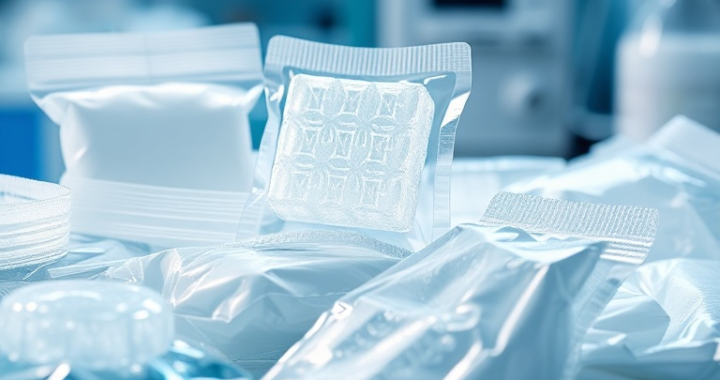
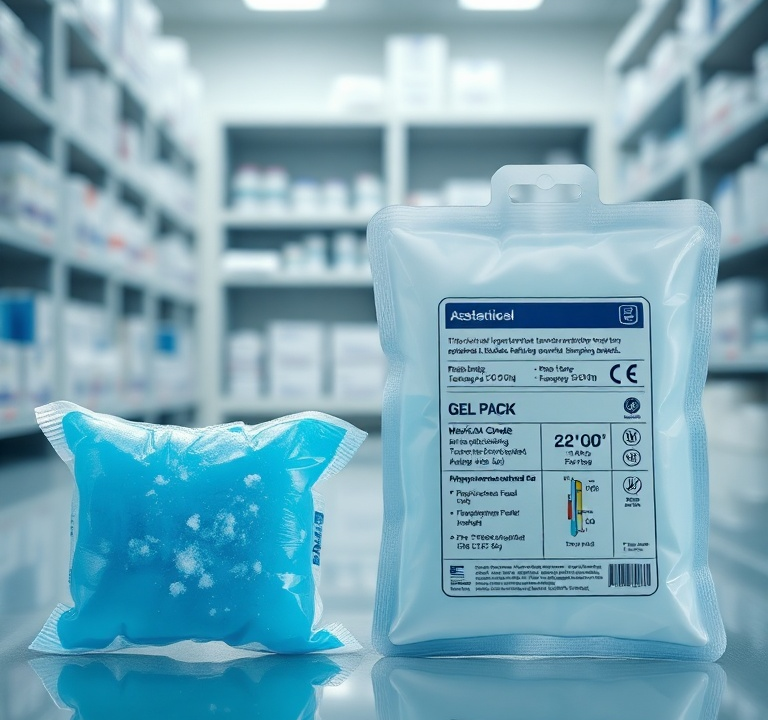
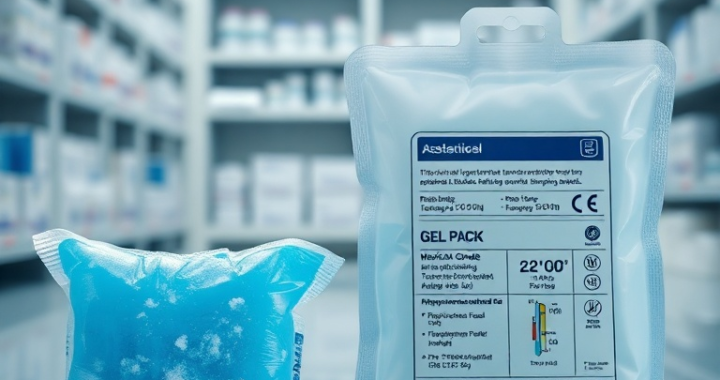
The advent of next-generation medical ice packs marks a significant leap forward in cold chain technology. These aren’t just frozen water; they are sophisticated thermal energy storage devices designed to maintain precise temperature ranges for extended periods, often without external power. The core of this innovation lies in Phase Change Materials (PCMs).
PCMs are substances that absorb and release large amounts of latent heat when they melt and freeze at specific, pre-determined temperatures. Unlike water, which freezes at 0°C and melts at 0°C, PCMs can be engineered to freeze and melt at temperatures like +5°C, +2°C, -20°C, or any other desired point. This allows for the creation of ice packs that maintain the critical 2°C to 8°C range without ever freezing the vaccine itself. This precision is a game-changer for **Decoding Cold Chain** complexities.
Understanding Phase Change Materials (PCMs) in Detail
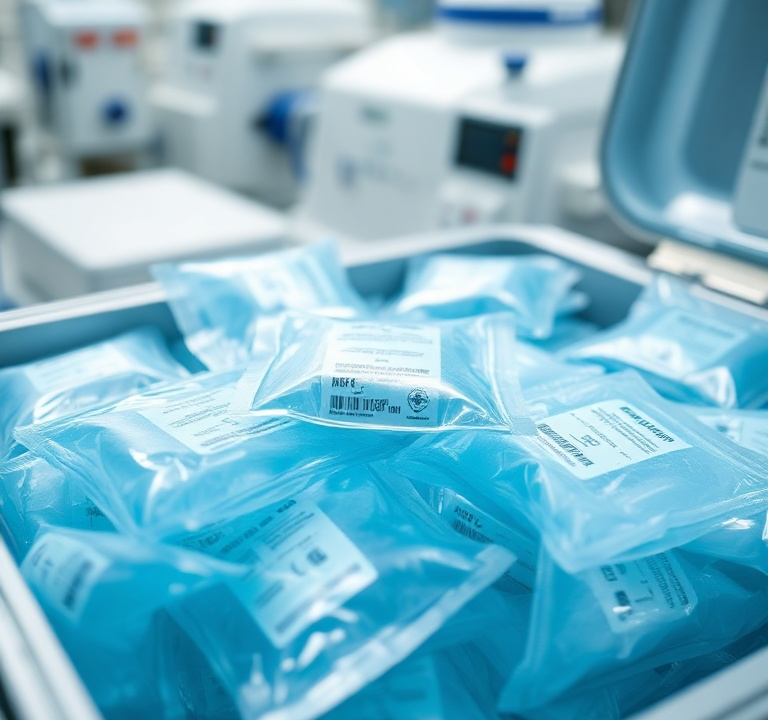
PCMs come in various forms, including salt hydrates, fatty acids, and paraffins, each with different thermal properties. Their ability to absorb heat energy as they transition from solid to liquid (and release it as they transition back) allows them to act as thermal buffers. When a PCM pack designed for 2°C to 8°C is placed in a cooler with vaccines, it will absorb any excess heat from the environment, maintaining the internal temperature within the desired range until all the PCM has melted.
This controlled phase transition provides a much longer “hold time” compared to traditional ice. For instance, a well-designed PCM pack can maintain temperatures within the safe range for 96 hours or more, even in ambient temperatures exceeding 40°C. This extended performance is crucial for long-distance transport and last-mile delivery in remote areas, significantly enhancing the reliability of **Decoding Cold Chain** logistics.
Beyond PCMs: Integrated Solutions for Enhanced Protection
While PCMs are at the heart of next-gen ice packs, their effectiveness is amplified when integrated into comprehensive cold chain solutions. Advanced insulation materials, such as vacuum insulated panels (VIPs) or specialized foam, complement PCMs by minimizing heat transfer between the external environment and the internal payload. These materials are lightweight yet highly effective, further extending hold times and reducing the overall size and weight of vaccine carriers.
Smart monitoring devices are another critical component. These small, often disposable, sensors can track temperature, humidity, and even location throughout the vaccine’s journey. Data collected from these devices provides real-time insights, allowing for immediate intervention if temperature excursions occur and offering valuable data for optimizing future cold chain routes and processes. This holistic approach is essential for truly successful **Decoding Cold Chain** operations.
Real-World Impact: Ensuring Vaccine Stability in Extreme Climates
The impact of these next-gen solutions is most evident in regions facing extreme climatic challenges. Imagine delivering vaccines across the scorching deserts of Africa or through the humid jungles of Southeast Asia, where ambient temperatures regularly soar above 35°C. Traditional methods would quickly fail, but PCM-based ice packs, combined with high-performance insulated containers, can ensure vaccines remain viable.
During the COVID-19 pandemic, the rapid deployment of sensitive mRNA vaccines, which required ultra-cold storage, pushed cold chain innovation to its limits. While these required specialized freezers, the principles of precise temperature control and robust packaging were paramount, and the lessons learned are directly applicable to standard vaccine distribution. Next-gen ice packs are now routinely used in disaster relief efforts, humanitarian aid missions, and routine immunization campaigns in areas with unreliable infrastructure, demonstrating their versatility and reliability in **Decoding Cold Chain** challenges.
Challenges and Future Directions in Decoding Cold Chain
Despite the significant advancements, challenges remain. The initial cost of next-gen PCMs and sophisticated insulated containers can be higher than traditional solutions, though the long-term benefits in reduced vaccine waste and enhanced public health outcomes often outweigh this. Training personnel in the proper conditioning and use of these advanced materials is also crucial to prevent human error.
The future of **Decoding Cold Chain** will likely see further integration of IoT (Internet of Things) devices, AI-powered predictive analytics for route optimization, and even more advanced PCMs with wider temperature ranges and longer durations. Research into sustainable and reusable PCM materials will also be vital to reduce environmental impact. The goal is to create an even more resilient, cost-effective, and globally accessible cold chain that leaves no community behind.
The Economic and Social Benefits of Robust Cold Chain Management
Investing in robust cold chain management, facilitated by next-gen ice packs, yields significant economic and social benefits. Economically, it reduces vaccine wastage, which represents a substantial financial loss for health systems and donor organizations. It also improves the efficiency of immunization programs, allowing more people to be vaccinated with fewer resources.
Socially, a reliable cold chain directly translates to better public health outcomes. It ensures equitable access to life-saving vaccines, particularly for vulnerable populations in remote or underserved areas. By preventing outbreaks and reducing the burden of disease, robust cold chain management contributes to stronger, healthier communities and supports global health security initiatives. This profound impact underscores the importance of continued innovation in **Decoding Cold Chain** technologies.
Conclusion: The Unsung Heroes of Public Health
In conclusion, **Decoding Cold Chain** reveals a complex yet vital system that underpins global public health. The journey of a vaccine from production to patient is fraught with potential pitfalls, but the advent of next-generation medical ice packs, powered by innovative Phase Change Materials and supported by advanced insulation and monitoring, has dramatically enhanced our ability to ensure vaccine stability. These technological marvels are the unsung heroes, silently working to protect the potency of every dose, regardless of external conditions.
As we look to the future, continuous innovation in thermal packaging, smart logistics, and sustainable practices will be essential to further strengthen the cold chain. By embracing these advancements, we can build a more resilient, equitable, and effective global immunization program, ensuring that life-saving vaccines reach everyone who needs them, everywhere. Take action today to learn more about cold chain best practices and advocate for investment in these critical technologies, safeguarding public health for generations to come.