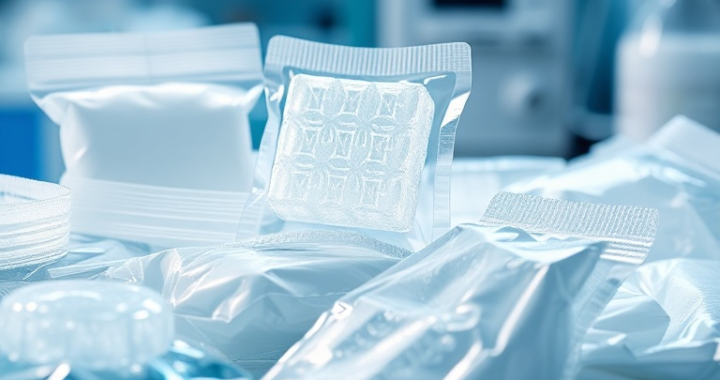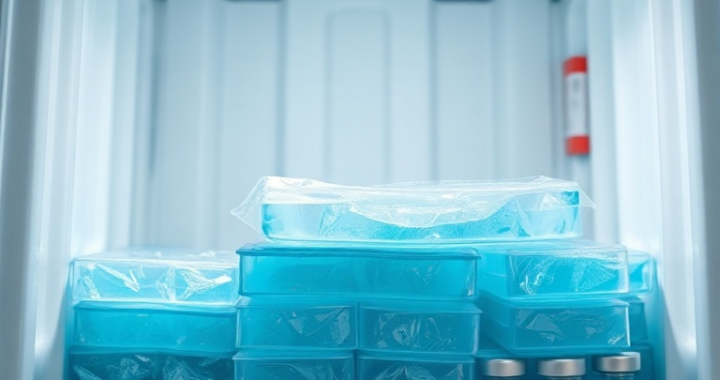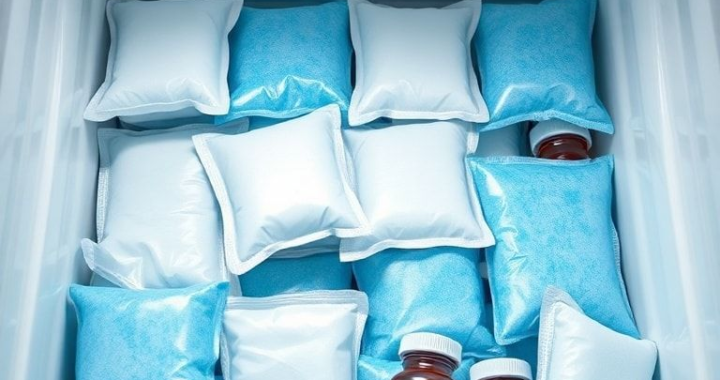

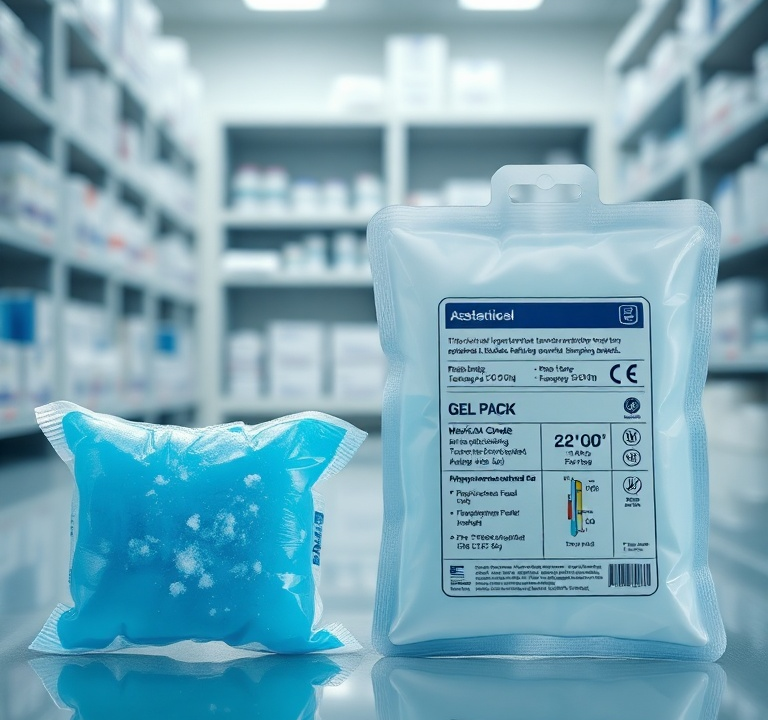



In the intricate world of modern medicine, every detail matters. From the sterile environment of an operating room to the precise dosage of a life-saving drug, meticulous attention ensures patient well-being. Yet, one often-overlooked component plays a surprisingly critical role in this chain: the humble medical gel pack. It’s time to look Beyond Ice Your conventional understanding of cold chain logistics and recognize how these seemingly simple items dictate drug potency and, ultimately, patient safety.
The choice of a medical gel pack is far from trivial. It’s a sophisticated decision that impacts the efficacy of temperature-sensitive pharmaceuticals, vaccines, and biologics throughout their journey from manufacturer to patient. Mismanagement or an unsuitable choice can lead to significant degradation, rendering treatments ineffective or even harmful. Understanding this critical link is essential for healthcare providers, logistics professionals, and patients alike.
The Unseen Threat: Temperature Excursions Beyond Ice Your Control
Pharmaceutical products are incredibly sensitive to temperature fluctuations. Many drugs require strict temperature ranges, typically 2-8°C (35-46°F) for refrigerated items, to maintain their stability and therapeutic properties. Any deviation from these parameters, known as a temperature excursion, can trigger a cascade of chemical reactions that alter the drug’s composition.
These excursions can occur at any point in the cold chain: during manufacturing, storage, transit, or even in a patient’s home. Standard ice packs, while effective for general cooling, often lack the precision and sustained performance needed for medical applications. Their rapid thawing and potential for direct contact freezing can be just as damaging as excessive heat.
Understanding Gel Pack Science Beyond Ice Your Limits
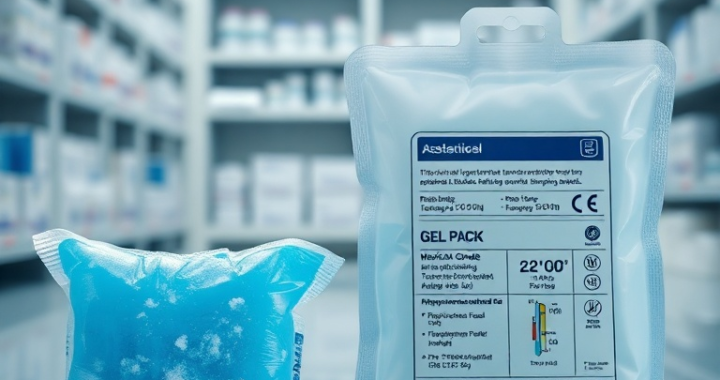
Medical gel packs are engineered with specific phase change materials (PCMs) designed to maintain a stable temperature for extended periods. Unlike water-based ice, which transitions from solid to liquid at 0°C (32°F), PCMs can be formulated to have different melting/freezing points. This allows for tailored temperature control, preventing both freezing and overheating.
For instance, some PCMs are designed to freeze at 5°C (41°F), providing a sustained cooling effect within the critical 2-8°C range without dipping below freezing. Others might be engineered for warmer temperatures, protecting against heat damage in warmer climates while still ensuring stability. This precision is what truly sets advanced gel packs apart, allowing us to go Beyond Ice Your traditional methods.
Drug Stability: A Delicate Balance
The stability of a pharmaceutical product refers to its ability to retain its chemical, physical, microbiological, and biopharmaceutical properties within specified limits throughout its shelf life. Temperature is a primary factor influencing this stability. Enzymes, proteins, and complex organic molecules in drugs can denature, aggregate, or degrade when exposed to temperatures outside their optimal range.
Consider insulin, a vital medication for diabetics. If insulin is exposed to freezing temperatures, its protein structure can be damaged, rendering it ineffective. Similarly, many vaccines lose their potency if they get too warm, failing to elicit the necessary immune response. These are not minor issues; they directly impact patient health outcomes.
Beyond Ice Your Limits in Pharmaceutical Transport
The journey of a drug from the factory to the patient’s arm can be long and complex, spanning continents, warehouses, and delivery vehicles. Each leg of this journey presents potential temperature challenges. Standard shipping containers, even refrigerated ones, can experience microclimates or temporary failures. This is where the reliability of the gel pack system becomes paramount.
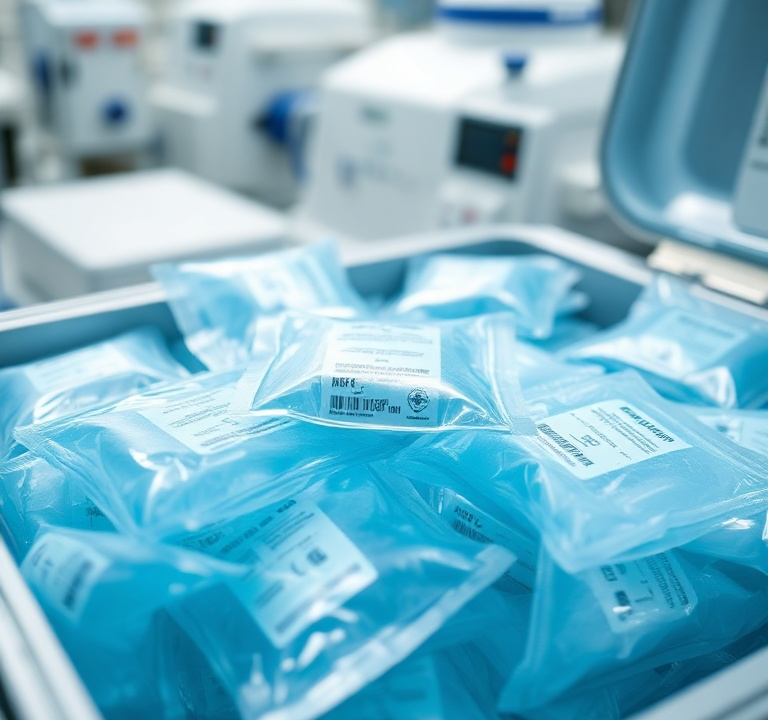
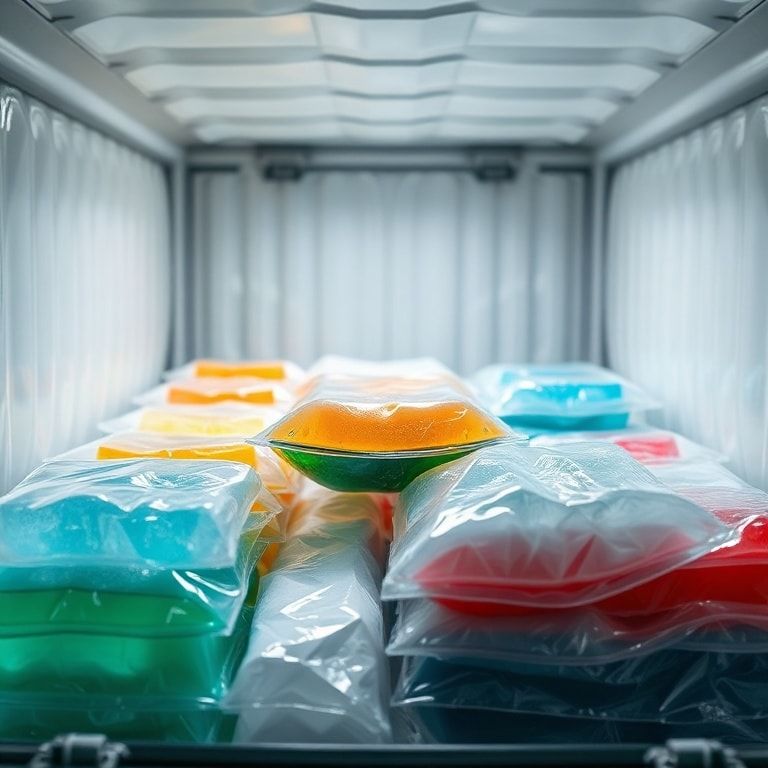
Advanced gel packs, often used in conjunction with insulated containers, create a stable thermal environment that acts as a buffer against external fluctuations. They are designed to absorb heat or release cold precisely, ensuring that the internal temperature of the package remains within the required narrow range for hours or even days. This robust protection is crucial for maintaining the integrity of sensitive medications.
For example, a study might reveal that a significant percentage of temperature excursions occur during the “last mile” of delivery, from a local distribution center to a clinic. By implementing superior gel pack solutions, pharmaceutical companies can significantly reduce these incidents, ensuring drugs arrive in optimal condition. This proactive approach helps to move Beyond Ice Your reactive measures.
Patient Safety: The Ultimate Stake
The direct correlation between proper cold chain management and patient safety cannot be overstated. A drug that has lost its potency due to temperature exposure is essentially a placebo, offering no therapeutic benefit. For critical medications like vaccines, chemotherapy drugs, or biologics for autoimmune diseases, this can have devastating consequences.
Imagine a patient receiving a vaccine that has been compromised. They believe they are protected, but their immune system has not been properly stimulated, leaving them vulnerable to disease. Or a cancer patient receiving an ineffective chemotherapy agent, delaying proper treatment and potentially worsening their prognosis. These scenarios highlight the severe implications of neglecting proper temperature control.
Furthermore, some degraded drugs can even become toxic. While less common, certain chemical changes induced by temperature excursions can lead to the formation of harmful byproducts. This underscores why the choice of medical gel pack is not just about efficacy, but a fundamental aspect of patient safety protocols. It’s about ensuring that when a patient receives medication, they are truly receiving what was intended.
Healthcare systems are constantly striving to minimize risks. Implementing robust cold chain solutions, including the right gel packs, is a fundamental step in this endeavor. It’s an investment in patient trust and positive health outcomes. This commitment goes Beyond Ice Your basic expectations for medical care.
The Role of Advanced Gel Pack Technology
Modern medical gel packs are far more sophisticated than their predecessors. They incorporate advanced materials and designs to offer superior performance:
Precision Temperature Control
As mentioned, PCMs with specific melting/freezing points are key. These materials ensure that temperature-sensitive products remain within very narrow bands, avoiding both freezing and overheating. This precision is vital for the most delicate biological products.
Extended Duration
Newer gel pack formulations and designs can maintain required temperatures for much longer periods. This is crucial for long-distance transport, unexpected delays, or situations where immediate refrigeration isn’t available. Some systems can provide stable temperatures for 48, 72 hours, or even longer.
Durability and Reusability
Many medical gel packs are designed for multiple uses, reducing waste and offering cost efficiencies for healthcare providers. They are often encased in robust, leak-proof materials that can withstand the rigors of shipping and handling.
Sustainability Initiatives
The industry is also seeing a push towards more environmentally friendly gel pack options. Biodegradable materials, plant-based PCMs, and easily recyclable components are becoming increasingly available. This aligns with broader sustainability goals within the healthcare sector, allowing us to think Beyond Ice Your environmental impact.
Regulatory Compliance and Quality Assurance Beyond Ice Your Benchmarks
The pharmaceutical industry is heavily regulated, and rightly so. Agencies like the FDA (U.S. Food and Drug Administration) and EMA (European Medicines Agency) have stringent guidelines for the storage and transportation of drugs. These regulations often mandate specific temperature controls and require rigorous validation of cold chain solutions.
Manufacturers of medical gel packs and cold chain packaging systems must adhere to these standards, providing data and documentation to prove their products’ performance. This includes thermal mapping studies, stability testing, and qualification reports that demonstrate the system’s ability to maintain temperature integrity under various conditions.
Healthcare organizations and pharmacies also have a responsibility to ensure their cold chain practices comply with these regulations. This often involves training staff on proper handling procedures, regular calibration of temperature monitoring devices, and selecting validated packaging solutions. Falling short of these benchmarks can lead to regulatory penalties, product recalls, and, most importantly, patient harm. Adhering to these standards is how we move Beyond Ice Your basic compliance.
Choosing the Right Gel Pack: Factors to Consider
Selecting the appropriate medical gel pack system requires careful consideration of several factors:
- Temperature Range Required: Is it 2-8°C, -20°C, or controlled room temperature? The PCM must match this precisely.
- Duration of Transport: How long will the product be in transit? The gel pack system must sustain the temperature for the entire duration, plus a safety margin.
- Ambient Conditions: Will the package be exposed to extreme heat or cold during transit? The system needs to be robust enough to handle these external challenges.
- Product Volume and Configuration: The size and number of products will influence the amount and type of gel packs needed, as well as the size of the insulated container.
- Cost and Reusability: Balancing initial investment with long-term operational costs and environmental impact.
- Validation Data: Always choose products with robust thermal validation data to ensure performance.
Consulting with cold chain experts and packaging engineers can help organizations make informed decisions tailored to their specific needs. This collaborative approach ensures that every aspect of the cold chain is optimized for safety and efficacy.
Innovation and Future Trends
The field of cold chain management is continuously evolving. Innovations are emerging that promise even greater control and efficiency:
- Smart Packaging: Incorporating sensors that monitor temperature, humidity, and even shock, providing real-time data throughout the journey.
- Advanced PCMs: Development of new materials with even more precise phase transition points and longer duration capabilities.
- AI and Machine Learning: Using data analytics to predict temperature excursions, optimize shipping routes, and improve cold chain reliability.
- Closed-Loop Systems: Designing fully integrated cold chain solutions where packaging, monitoring, and logistics are seamlessly connected.
These future developments will further enhance our ability to protect temperature-sensitive medications, pushing us even further Beyond Ice Your current capabilities and ensuring unprecedented levels of drug potency and patient safety.
Conclusion
The journey of a drug from its creation to its administration is fraught with potential challenges, none more critical than maintaining its temperature integrity. The choice of medical gel pack is not a minor logistical detail; it is a fundamental determinant of drug potency and, by extension, patient safety. By understanding the science behind advanced gel pack technology and implementing robust cold chain strategies, healthcare professionals can significantly mitigate risks.
Moving Beyond Ice Your outdated methods and embracing sophisticated solutions is no longer an option, but a necessity in modern medicine. Every decision, from manufacturing to last-mile delivery, contributes to the efficacy and safety of treatments. It’s an investment in health, trust, and ultimately, life itself.
Are you confident in your current cold chain solutions? Evaluate your current practices and consider how advanced medical gel packs can elevate your standards. Ensure every patient receives the full benefit of their prescribed medication. Contact cold chain specialists today to explore how you can optimize your pharmaceutical transport and storage protocols.