


Unseen Truths: What You’re Missing
In the intricate world of healthcare, where precision and efficacy are paramount, there are countless processes and components working tirelessly behind the scenes. We often focus on the groundbreaking research, the skilled surgeons, or the revolutionary drugs themselves. Yet, an entire ecosystem of support ensures these medical marvels reach us in their intended state. Among these vital, often **unseen** elements, advanced medical gel packs stand out as true heroes. These seemingly simple devices play a critical role in guaranteeing the potency of your life-saving medications, ensuring that when you need them most, they are fully effective.
Most patients are unaware of the delicate journey their medications undertake from manufacturer to pharmacy shelf, or even directly to their homes. The integrity of many pharmaceuticals, particularly biologics, vaccines, and certain specialized drugs, is highly susceptible to temperature fluctuations. A deviation of just a few degrees can render a medication ineffective, or worse, harmful. This is where advanced medical gel packs step in, acting as silent, **unseen** guardians of health. They are far more sophisticated than the ice packs you might use for a picnic, engineered with specific chemistries and phase change materials designed to maintain precise temperature ranges for extended periods. Understanding their critical function reveals a deeper appreciation for the complex logistics that underpin modern medicine and highlights the **unseen** efforts dedicated to patient safety.
The Unseen Battle for Potency
The Fragile Nature of Pharmaceuticals
Pharmaceuticals are complex chemical compounds, and their stability is surprisingly delicate. Many drugs, especially advanced biologics like insulin, certain cancer treatments, and vaccines, are proteins or other large molecules. These structures can easily denature or degrade when exposed to temperatures outside their specified range. Heat can break down chemical bonds, alter molecular structures, and accelerate degradation reactions, leading to a loss of efficacy. Conversely, freezing can also damage certain medications, causing them to separate, clump, or lose their therapeutic properties.
Consider the flu vaccine, for instance. It must be stored and transported within a very specific temperature window, typically between 2°C and 8°C (36°F and 46°F). If it gets too warm, its antigens can degrade, making it less effective in stimulating an immune response. If it freezes, the vaccine’s components can be damaged, rendering it useless. This fragility underscores the constant, **unseen** battle against environmental factors that could compromise patient health.
Temperature Excursions: An Unseen Threat
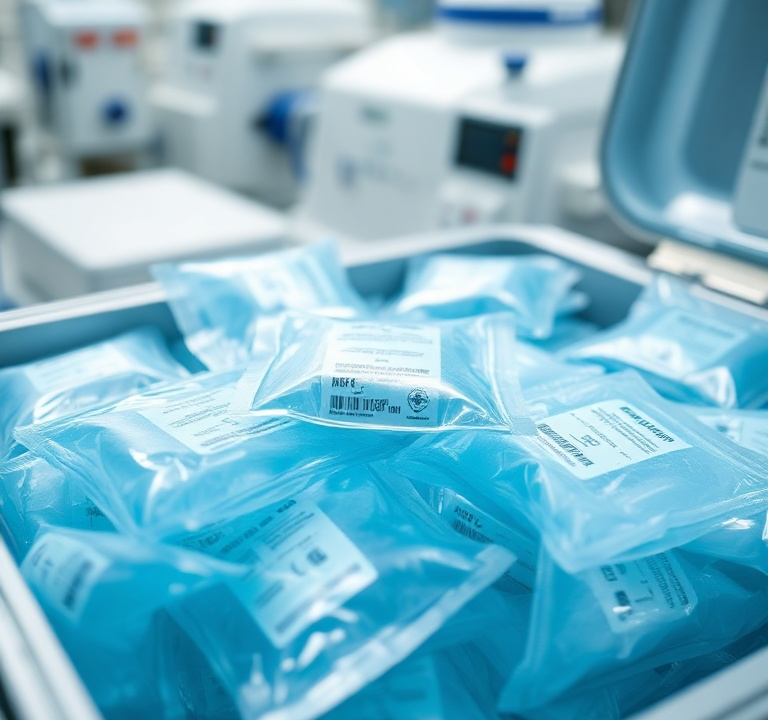
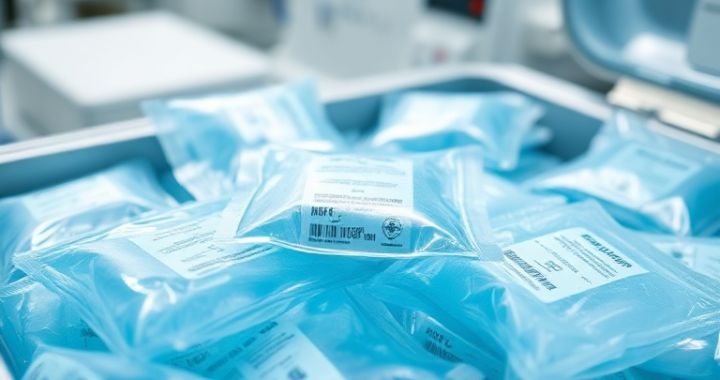
A “temperature excursion” refers to any instance where a product is exposed to temperatures outside its specified storage range. These excursions are an **unseen** but pervasive threat in the pharmaceutical supply chain. They can occur at any point: during manufacturing, while drugs are awaiting shipment, during transit across continents, or even in the final mile delivery to a patient’s home. Each link in this “cold chain” must be meticulously managed to prevent such deviations.
The consequences of temperature excursions are significant. An improperly stored medication might look perfectly normal, but its chemical structure could be compromised. This means a patient could be taking a drug that simply isn’t working, leading to uncontrolled disease progression, prolonged illness, or even life-threatening situations. The **unseen** damage done by temperature fluctuations can erode the trust patients place in their medications and healthcare providers.
Advanced Medical Gel Packs: The Unseen Guardians
How They Work: Science Behind the Stability
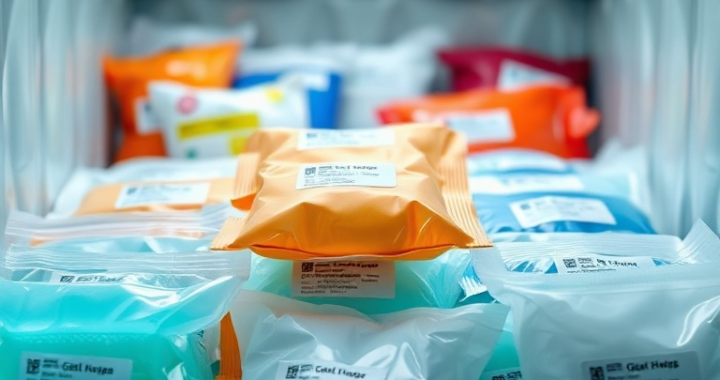
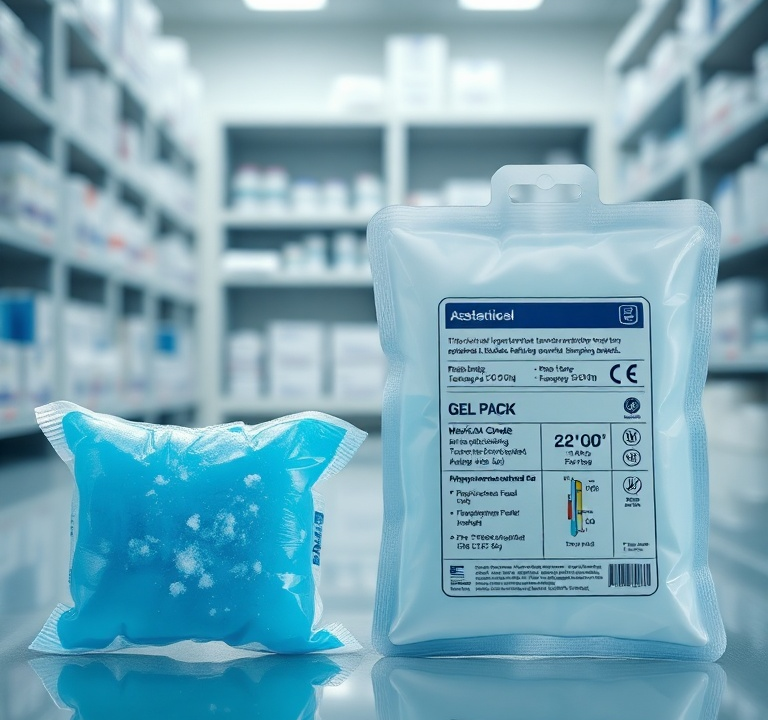
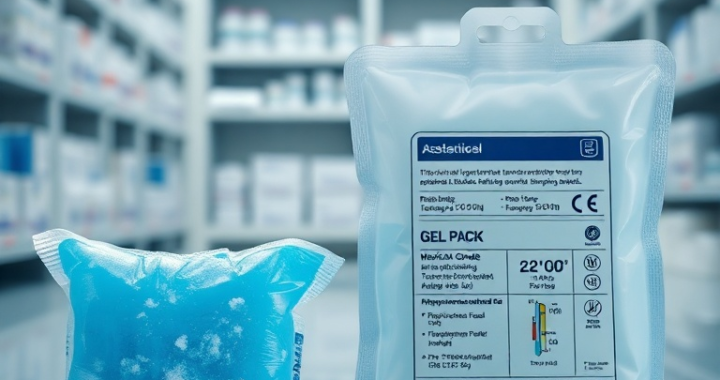
Unlike standard ice packs that simply freeze water, advanced medical gel packs utilize sophisticated phase change materials (PCMs). PCMs are substances that absorb and release large amounts of latent heat when they melt and freeze, respectively, at specific temperatures. This characteristic allows them to maintain a constant temperature for an extended period, far longer than water ice. For example, some gel packs are designed to maintain a stable 5°C, while others are engineered for ultra-cold temperatures or even room temperature stability.
These specialized packs contain a gel or liquid formulation, often proprietary, that undergoes a phase change at a precisely controlled temperature. As the ambient temperature rises, the PCM inside the pack slowly melts, absorbing heat from its surroundings and keeping the contents cool. Conversely, if the ambient temperature drops, the PCM will slowly freeze, releasing heat and preventing the contents from freezing. This scientific precision is the **unseen** engine driving their protective power.
Types of Gel Packs and Their Unseen Advantages
The world of medical gel packs is diverse, each type designed for specific temperature maintenance needs.
- Water-Based Gel Packs: These are common and effective for maintaining temperatures between 0°C and 8°C. They are often used for general refrigerated medications.
- Phase Change Material (PCM) Packs: These are more advanced, utilizing specialized salts or organic compounds to achieve precise temperature ranges, such as 2°C to 8°C, 15°C to 25°C (controlled room temperature), or even sub-zero temperatures. Their ability to “hold” a temperature during phase transition is their key **unseen** advantage.
- Dry Ice: For ultra-cold requirements, often below -20°C, dry ice (solid carbon dioxide) is used. While not a gel pack, it’s a critical component of the cold chain for specific biologics and research materials.
The choice of gel pack depends entirely on the medication’s specific temperature requirements, the duration of transport, and the expected ambient conditions. This tailored approach is another **unseen** layer of protection, ensuring optimal conditions for every unique pharmaceutical product.
Beyond Cold: Maintaining Specific Temperature Ranges
It’s a common misconception that all temperature-sensitive medications simply need to be kept cold. In reality, many require “controlled room temperature” (CRT), typically between 15°C and 25°C. Exposing these medications to excessive heat or extreme cold can be just as detrimental as improper refrigeration. Advanced gel packs are designed to manage these nuances, providing thermal stability not just for cold but also for warmer ranges, protecting against both overheating and freezing.
This capability is crucial for global distribution, where packages might traverse diverse climates, from scorching deserts to freezing tundras, all within a single journey. The ability of these packs to buffer against extreme external temperatures, keeping the internal environment stable, is an **unseen** marvel of engineering. Without them, the global distribution of many life-saving drugs would be impossible or fraught with unacceptable risks of degradation.
Impact on Patient Safety and Unseen Trust
Guaranteeing Efficacy: Why It Matters
The ultimate goal of advanced medical gel packs is to guarantee the efficacy of medications. When a patient receives a drug, they must have absolute confidence that it will perform as intended. If a medication loses its potency due to improper storage, it can lead to a cascade of negative outcomes: treatment failure, adverse drug reactions (if degraded products are toxic), and a complete erosion of trust in the healthcare system. For critical medications like insulin, vaccines, or certain chemotherapy drugs, maintaining efficacy is literally a matter of life and death.
The **unseen** work of these gel packs directly translates into tangible patient benefits, ensuring that every dose administered is a full, potent dose, capable of delivering its therapeutic effect. This silent assurance underpins the very foundation of modern medical treatment.
Reducing Waste and Saving Lives
Beyond patient safety, proper cold chain management significantly reduces pharmaceutical waste. The cost of manufacturing, packaging, and transporting medications is enormous. If a batch of drugs is rendered ineffective due to temperature excursions, it represents a substantial financial loss for manufacturers and healthcare providers, and ultimately, for healthcare systems. More importantly, it means valuable, often scarce, medications are wasted, potentially depriving patients who desperately need them.
By preventing degradation, advanced medical gel packs contribute to a more efficient and sustainable healthcare supply chain. They save money, conserve resources, and most critically, ensure that life-saving treatments are available when and where they are needed, directly contributing to saving lives. Their **unseen** role in resource management is invaluable.
The Regulatory Landscape and Unseen Standards
The pharmaceutical industry is one of the most heavily regulated sectors globally. Agencies like the FDA (U.S. Food and Drug Administration), EMA (European Medicines Agency), and WHO (World Health Organization) establish stringent guidelines for the storage and transport of temperature-sensitive medications. These regulations mandate robust cold chain management protocols, including the qualification and validation of packaging solutions like gel packs and insulated containers. (For more details, one could consult specific FDA guidance documents on good distribution practices).
Manufacturers and distributors must demonstrate that their packaging solutions can maintain the required temperature ranges under various stress conditions. This involves rigorous testing and validation processes. The compliance with these strict, often **unseen**, standards is what gives healthcare professionals and patients confidence in the integrity of their medications. This regulatory framework ensures that the “unseen heroes” are performing their duties to the highest possible standard.
The Future of Medication Transport: Unseen Innovations
Smart Packaging and Monitoring
The evolution of cold chain logistics doesn’t stop with advanced gel packs. The next frontier involves smart packaging solutions that incorporate real-time temperature monitoring. These systems use sensors embedded in packaging or even within the gel packs themselves to continuously track temperature data throughout the journey. This data can be transmitted wirelessly, providing immediate alerts if a temperature excursion occurs.
Such innovations offer an unprecedented level of transparency and control, allowing for proactive intervention if a shipment is at risk. This move towards intelligent, connected cold chains will further enhance medication safety and reduce waste, adding another layer of **unseen** protection and peace of mind. (Companies like Sensitech or Cold Chain Technologies are at the forefront of these advancements).
Sustainable Solutions in Cold Chain Logistics
As environmental concerns grow, there’s an increasing focus on developing more sustainable cold chain solutions. This includes reusable gel packs, recyclable insulation materials, and energy-efficient transport methods. Manufacturers are exploring bio-based PCMs and designing packaging that minimizes environmental impact without compromising performance. The goal is to create a cold chain that is not only effective but also environmentally responsible.
This drive for sustainability is another **unseen** aspect of the industry’s commitment to global well-being. By innovating in this area, the pharmaceutical cold chain can continue to deliver life-saving medications while also contributing to a healthier planet, demonstrating a holistic approach to care that often goes unnoticed.
Conclusion
From the moment a medication is manufactured until it reaches the patient, its journey is fraught with potential risks, particularly from temperature fluctuations. The **unseen** heroes of this journey are the advanced medical gel packs, meticulously engineered to maintain the precise thermal conditions necessary for drug stability and efficacy. They are far more than simple cooling agents; they are sophisticated scientific tools that stand as the first line of defense against medication degradation.
These **unseen** guardians ensure that every vaccine dose is potent, every insulin injection is effective, and every life-saving treatment delivers its full therapeutic promise. Their role underpins patient safety, reduces costly waste, and upholds the rigorous standards of the global pharmaceutical industry. As technology advances, we can expect even more innovative and sustainable solutions to emerge, further solidifying the critical, though often overlooked, importance of cold chain management.
The next time you receive a temperature-sensitive medication, take a moment to appreciate the complex, **unseen** network that worked tirelessly to ensure its integrity. Understanding these hidden processes empowers us to ask better questions and advocate for the highest standards in healthcare delivery. Let’s continue to recognize and support the vital work of these unseen heroes, because ensuring the potency of our medications is ensuring the future of our health. If you are involved in pharmaceutical logistics or healthcare, consider evaluating your cold chain protocols to ensure you are utilizing the most advanced and reliable gel pack technologies available. Your diligence in this **unseen** area can make all the difference.