





Cold Chains Silent: The Unsung Heroes
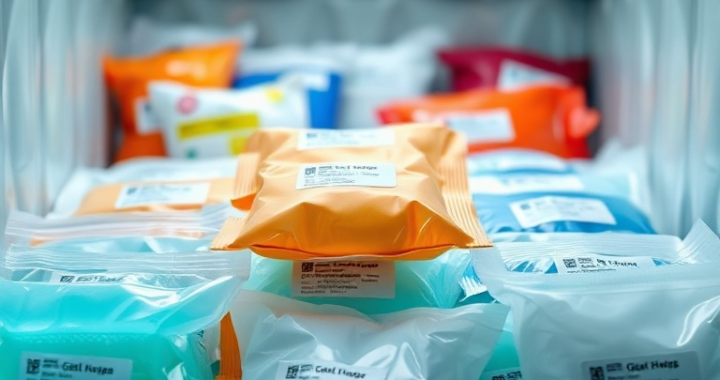
In a world increasingly reliant on sophisticated medical treatments, vaccines, and diagnostic tools, there’s an invisible network working tirelessly behind the scenes to ensure their efficacy. This intricate system, known as the cold chain, is a critical component of modern healthcare, preventing countless medical products from degrading due to temperature fluctuations. At the heart of this system are the often-overlooked yet indispensable medical gel packs, the true silent guardians of temperature-sensitive pharmaceuticals. They are the unsung heroes, ensuring that from manufacture to administration, the integrity of your medications remains uncompromised. The efficiency and reliability of these components are what make **Cold Chains Silent** yet incredibly powerful in safeguarding public health.
Imagine a scenario where a life-saving vaccine loses its potency because it was exposed to excessive heat during transit, or an insulin shipment becomes ineffective, jeopardizing a patient’s health. These aren’t hypothetical fears; they are real risks that the cold chain is designed to mitigate. Medical gel packs play a pivotal role in maintaining the precise temperature ranges required for these sensitive products, acting as a crucial barrier against thermal damage. Their consistent performance is a testament to the meticulous planning and execution behind every pharmaceutical delivery.
The Critical Imperative of Temperature Control in Medicine
Many pharmaceutical products, including vaccines, biologics, and certain medications, are exquisitely sensitive to temperature variations. Even slight deviations from their prescribed storage range can render them ineffective, or worse, harmful. This sensitivity stems from their molecular structure; proteins can denature, chemical compounds can degrade, and live cultures can die if exposed to temperatures outside their optimal window. The consequences of such degradation are severe, ranging from wasted resources and financial losses to adverse patient outcomes and public health crises.
The World Health Organization (WHO) estimates that over 50% of vaccines globally may be wasted each year due to improper storage and transportation, with temperature excursions being a primary factor. This staggering statistic underscores the vital importance of a robust cold chain. Every link in this chain, from the manufacturing plant to the pharmacy shelf, must be meticulously managed to preserve product integrity. It’s a complex logistical challenge where failure at any point can have far-reaching implications. The continuous vigilance required to maintain these conditions truly makes **Cold Chains Silent** operations a marvel of modern logistics.
Unveiling Medical Gel Packs: What Are They and How Do They Work?
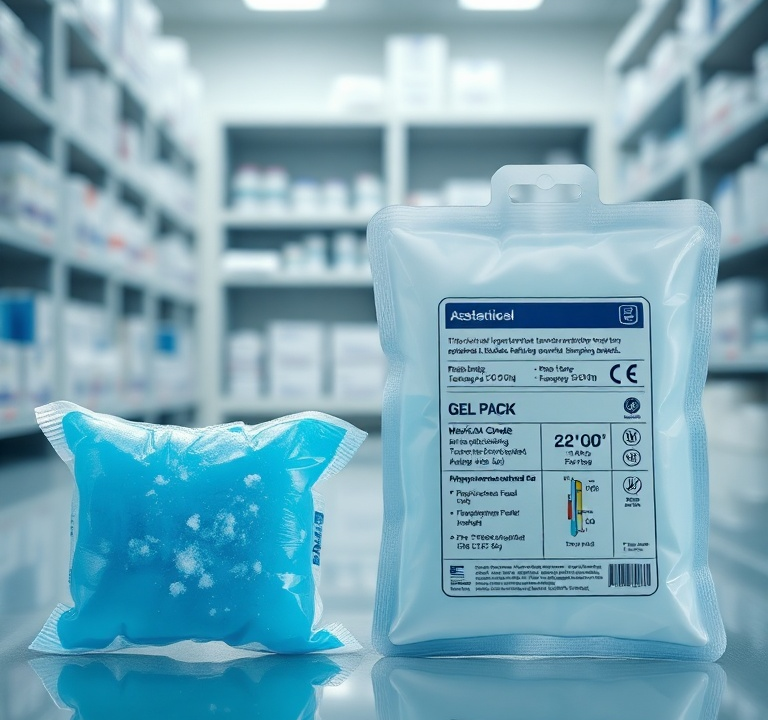
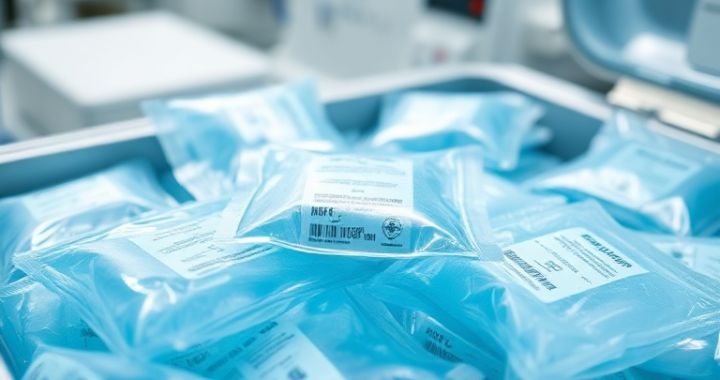
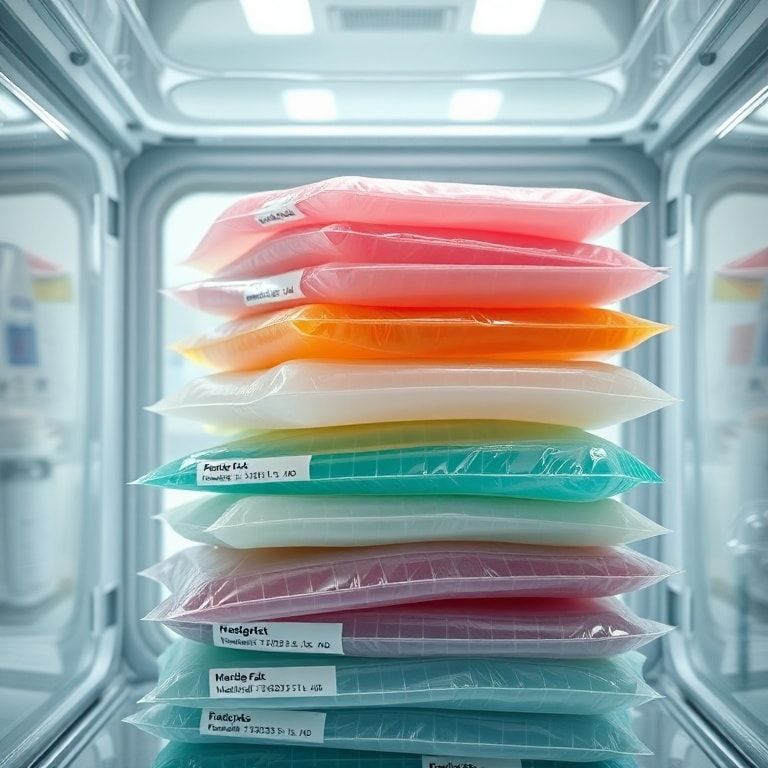
Medical gel packs are specialized thermal packaging components designed to absorb or release thermal energy, thereby maintaining a stable temperature environment within insulated containers. Unlike traditional ice, which melts and can cause water damage or inconsistent cooling, medical gel packs offer controlled, prolonged temperature maintenance. They typically consist of a non-toxic gel encapsulated in a durable plastic pouch, engineered to freeze at specific temperatures and release their “cold energy” gradually.
The science behind their efficacy lies in their phase-change material (PCM) properties. As the gel pack thaws or freezes, it undergoes a phase change, absorbing or releasing a significant amount of latent heat without a substantial change in its own temperature. This characteristic allows them to maintain a consistent temperature for extended periods, far longer than water ice. Different formulations of gels can be designed to maintain various temperature ranges, such as refrigerated (2-8°C), frozen (-15°C to -25°C), or even controlled room temperature (15-25°C), depending on the specific needs of the medication. This precision is a cornerstone of effective **Cold Chains Silent** operations.
The Anatomy of Reliability: Types of Medical Gel Packs
The diversity of medical products necessitates a variety of gel pack solutions. Understanding these types is key to appreciating the nuanced approach required for effective cold chain management. Each variant is engineered for specific thermal profiles and logistical challenges, contributing to the overall robustness of **Cold Chains Silent** systems.
Refrigerated Gel Packs (2-8°C)
These are perhaps the most commonly used gel packs, designed to keep products within the standard refrigerated range. They are crucial for transporting vaccines, insulin, blood products, and many biopharmaceuticals. These packs often contain a water-based polymer gel formulated to freeze at a slightly lower temperature than pure water, providing a stable cooling effect without reaching freezing temperatures that could damage sensitive products.
Frozen Gel Packs (-15°C to -25°C)
For products requiring deep-freeze conditions, such as certain viral vaccines or specialized reagents, frozen gel packs are essential. These typically contain a salt-water solution or a proprietary blend designed to maintain ultra-low temperatures for extended durations. They are pre-conditioned in freezers to reach their target temperature before being packed with the medical product, ensuring a consistent frozen environment throughout transit.
Controlled Room Temperature (CRT) Gel Packs (15-25°C)
While less intuitive, some medications are sensitive to both extreme cold and extreme heat, requiring a “controlled room temperature” environment. CRT gel packs are formulated to absorb excess heat when the ambient temperature rises, and conversely, release heat to prevent temperatures from dropping too low. These dual-action packs are vital for products that can degrade in either too hot or too cold conditions, showcasing the sophisticated engineering behind **Cold Chains Silent** solutions.
Beyond the Basics: The Impact of Gel Pack Failure
The reliance on medical gel packs means that any failure in their performance can have serious repercussions. A compromised gel pack, whether due to improper conditioning, damage during transit, or incorrect selection for the specific thermal profile, can lead to temperature excursions. These excursions, even brief ones, can initiate a cascade of degradation within the medication, rendering it less effective or even harmful. The consequences extend beyond the immediate patient, impacting public health at large.
For instance, a vaccine that has been exposed to temperatures outside its range might not elicit the desired immune response, leaving an individual vulnerable to disease. This not only wastes the vaccine but also creates a false sense of security. The economic impact is also significant; damaged pharmaceutical shipments lead to costly recalls, replacements, and potential legal liabilities for manufacturers and distributors. This highlights why the integrity of **Cold Chains Silent** operations is non-negotiable.
The Broader Ecosystem: Gel Packs in the Context of the Entire Cold Chain
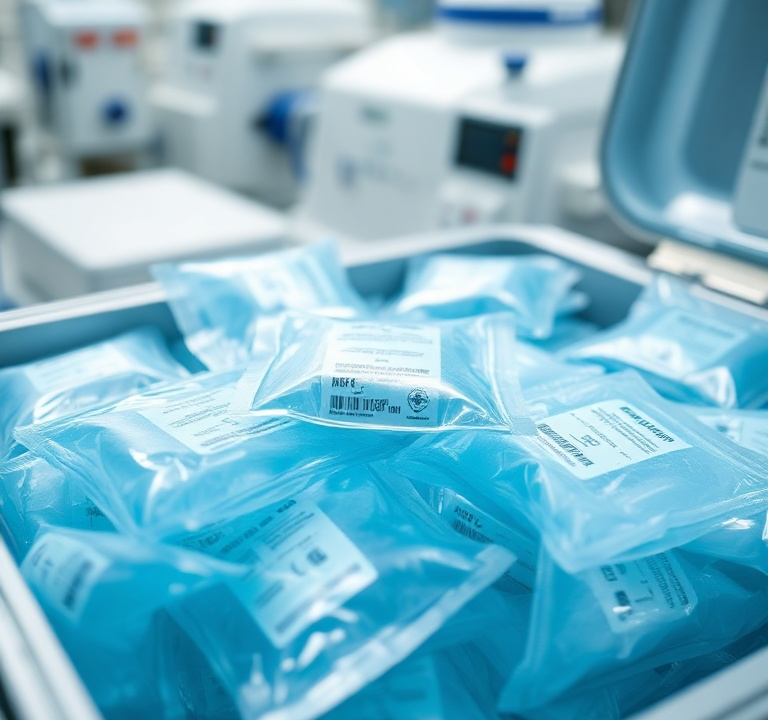
While gel packs are critical, they are just one component of a larger, integrated system. The effectiveness of the cold chain relies on the synergistic operation of several elements: insulated containers, temperature monitoring devices, robust logistics, and trained personnel. Gel packs work in concert with high-quality insulation to create a stable microclimate around the medical product. The insulation minimizes heat transfer from the external environment, while the gel packs actively manage the internal temperature.
Temperature monitoring devices, such as data loggers and indicators, provide crucial real-time or post-shipment data on temperature conditions. These devices confirm that the gel packs, in conjunction with the insulation, have successfully maintained the required temperature range throughout the journey. Without accurate monitoring, even the most advanced gel packs cannot guarantee product integrity. This holistic approach ensures the comprehensive safety and efficacy of the cold chain, underscoring the collective effort that makes **Cold Chains Silent** an effective reality.
Innovations in Cold Chains Silent Technology
The field of cold chain logistics is constantly evolving, driven by the increasing complexity of new pharmaceutical products and the demand for greater efficiency and sustainability. Innovations in gel pack technology are at the forefront of this evolution. Researchers are developing advanced phase-change materials that offer even more precise temperature control and longer duration, reducing the need for frequent pack changes and improving logistical efficiency.
Furthermore, there’s a growing focus on developing reusable and eco-friendly gel pack solutions to minimize environmental impact. The industry is exploring bio-based gels and recyclable packaging materials, aligning with global sustainability goals. These advancements not only enhance the reliability of the cold chain but also contribute to a greener future for pharmaceutical logistics. The ongoing pursuit of perfection in these areas ensures that **Cold Chains Silent** systems remain at the cutting edge.
Ensuring Compliance and Quality: Standards and Regulations
The pharmaceutical industry is heavily regulated, and cold chain logistics is no exception. Regulatory bodies worldwide, such as the FDA in the United States, the EMA in Europe, and the WHO globally, issue stringent guidelines for the storage and transportation of temperature-sensitive medical products. These guidelines cover everything from packaging specifications and temperature monitoring requirements to validation protocols for cold chain solutions.
Manufacturers and distributors must adhere to these “Good Distribution Practices” (GDP) to ensure product quality and patient safety. This includes rigorous testing and validation of gel pack performance under various environmental conditions, comprehensive training for personnel involved in packing and shipping, and meticulous documentation of all processes. Compliance is not merely a legal obligation; it’s a fundamental commitment to patient well-being, reinforcing the critical nature of every component within **Cold Chains Silent** operations.
The Future of Cold Chains Silent Guardians
As medical science continues to advance, bringing forth more complex and temperature-sensitive therapies, the role of the cold chain will only grow in importance. Personalized medicine, gene therapies, and mRNA vaccines are just a few examples of innovations that place unprecedented demands on logistical precision. The development of smart packaging that integrates real-time tracking and temperature alerts, coupled with advanced gel pack technologies, will be crucial in meeting these future challenges.
The unsung heroes of the cold chain – medical gel packs – will continue to evolve, becoming even more efficient, sustainable, and reliable. Their quiet yet powerful contribution ensures that the intricate balance between scientific breakthroughs and practical delivery is maintained, ultimately safeguarding global health. The ongoing dedication to perfecting these systems is what truly defines the spirit of **Cold Chains Silent** innovation.
Conclusion: The Enduring Legacy of Cold Chains Silent Operations
The journey of a life-saving medication from its point of manufacture to the patient’s bedside is fraught with potential perils, none more insidious than temperature excursions. It is within this critical context that medical gel packs emerge as indispensable guardians, silently performing their duty to maintain optimal conditions. They are a testament to the meticulous science and engineering that underpin modern healthcare logistics, ensuring that every vaccine, every vial of insulin, and every specialized medication retains its intended efficacy.
From preventing vaccine waste to safeguarding novel therapies, the impact of these humble yet powerful components cannot be overstated. They embody the quiet professionalism and unwavering commitment to quality that defines the entire cold chain. The successful operation of **Cold Chains Silent** systems is a collective achievement, protecting public health one perfectly preserved package at a time. Let us acknowledge these unsung heroes, recognizing their vital role in bringing effective medicine to those who need it most. For more information on cold chain best practices or to explore advanced thermal packaging solutions, consider consulting industry standards or reaching out to specialized logistics providers.