






“Exploring the Future of Cold Chain Logistics: Unveiling Innovations and Challenges in Temperature-Controlled Transportation”
As we begin exploring the future of cold chain logistics, it’s clear that this sector is on the brink of significant advancements. However, the journey is not without its share of challenges. In this post, we’ll delve deep into the innovations shaping the landscape of temperature-controlled transportation and the hurdles that come along with them.
Exploring the Innovations in Cold Chain Logistics
Real-Time Monitoring Technology
One of the most notable innovations in the cold chain logistics industry is real-time monitoring technology. This technology allows for instant tracking of the temperature conditions within the containers, enhancing the overall efficiency and reliability of the cold chain.
Advanced Packaging Solutions
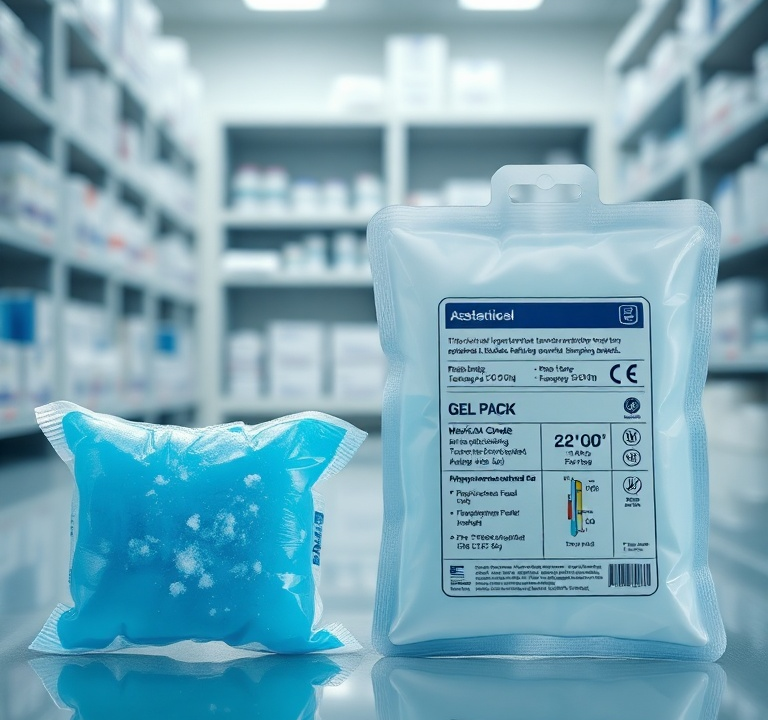
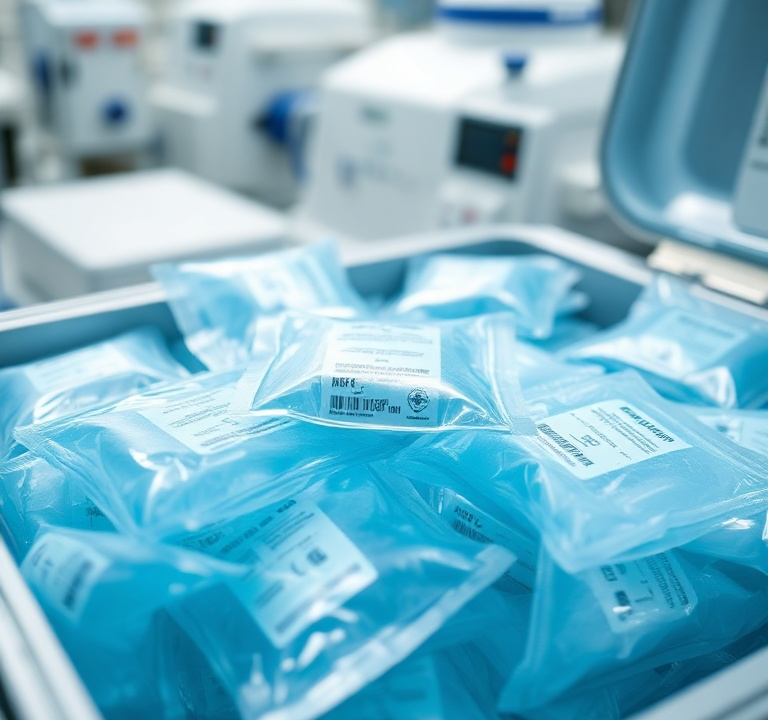
In our quest of exploring innovative solutions, we cannot overlook the contribution of advanced packaging methods. Materials like vacuum insulated panels and phase change materials are revolutionizing the way temperature-sensitive goods are transported, ensuring they reach their destination in optimal condition.
Automation and Robotics
Automation and robotics are also making their mark in cold chain logistics. With the help of automated storage and retrieval systems and robotic picking, it is possible to significantly reduce human errors, enhance efficiency, and maintain a consistent temperature.
Exploring the Challenges in Cold Chain Logistics
While we are exploring the future of cold chain logistics, it is equally important to highlight the challenges that could potentially impede its growth.
High Operational Costs
Maintaining a consistent temperature throughout the transportation process is an expensive affair. The high operational costs associated with energy consumption, specialized equipment, and advanced packaging materials pose a significant challenge to the industry.
Regulatory Compliance
Ensuring regulatory compliance is another challenge in the cold chain logistics sector. Stricter regulations concerning product safety and quality, particularly in the pharmaceutical and food industries, are forcing companies to invest more resources to remain compliant.
Environmental Concerns
Environmental concerns are another hurdle in the path of cold chain logistics. The industry is under increasing pressure to reduce its carbon footprint and adopt sustainable practices, a task that is both challenging and costly.
Exploring the Way Forward
Despite these challenges, the future of cold chain logistics is promising. With continuous advancements in technology and an increased focus on sustainability, this sector is poised for significant growth.
It is clear that exploring the future of cold chain logistics is a journey that requires constant innovation, adaptability, and resilience. As the sector evolves, companies need to stay ahead of the curve by adopting the latest technologies, investing in advanced packaging solutions, and finding ways to overcome the challenges.
Conclusion
In conclusion, exploring the future of cold chain logistics reveals a dynamic and evolving landscape. As we move forward, it will be interesting to see how the industry navigates its challenges and leverages technological advancements to transform temperature-controlled transportation.
If you are interested in delving deeper into the world of cold chain logistics, why not explore our other posts? From understanding the basics to uncovering industry trends, we have a wealth of information to help you stay informed.
Remember, the journey of exploring is never-ending – so keep learning, keep innovating, and keep moving forward.
[Image: A futuristic image of cold chain logistics. Alt text: Exploring the future of cold chain logistics]

