


Beyond Limits: Unlock Your Potential
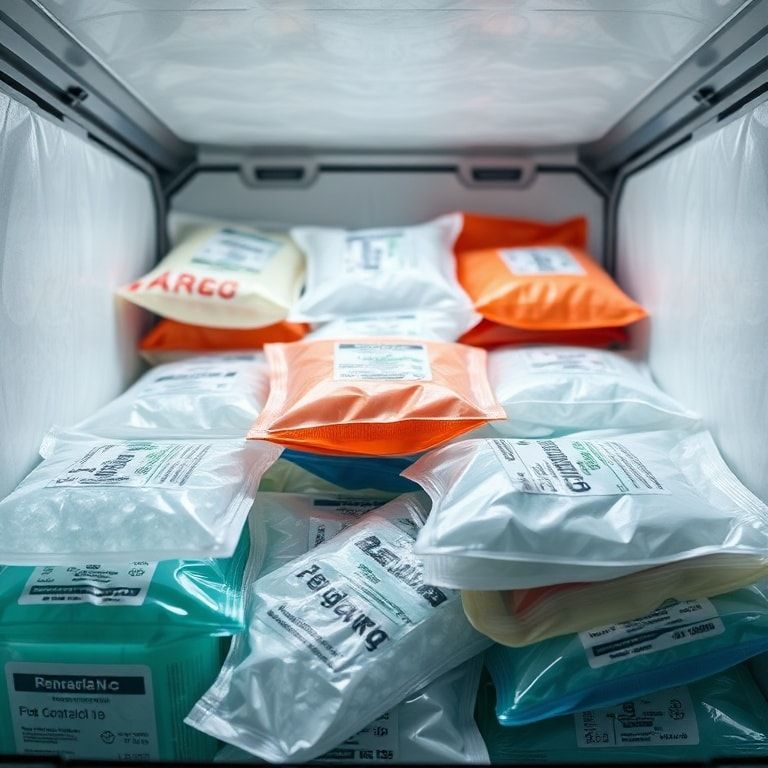
In the intricate world of pharmaceutical logistics, the journey of life-saving medications from manufacturer to patient is fraught with challenges. One of the most critical, yet often overlooked, aspects is temperature control. We often think of refrigeration as the primary solution, but the science of maintaining precise temperatures for sensitive drugs goes far **beyond** simply placing them in a cold box. This comprehensive exploration delves into the critical science of pharmaceutical gel packs, revealing their indispensable role in ensuring safe and effective drug delivery across vast distances and varying environmental conditions.
The integrity of many pharmaceutical products, particularly biologics, vaccines, and certain specialized medications, is highly susceptible to temperature fluctuations. Excursions outside their prescribed temperature range can lead to degradation, loss of efficacy, and even the formation of harmful byproducts. This not only poses a significant risk to patient health but also results in substantial financial losses for pharmaceutical companies. Understanding the sophisticated engineering **beyond** basic ice packs is crucial for anyone involved in healthcare supply chains, patient safety, or even just curious about the hidden complexities of modern medicine.
Beyond Basic Chilling: The Evolution of Temperature Control
For decades, traditional ice and dry ice were the go-to solutions for cold chain logistics. While effective in some scenarios, these methods presented numerous limitations. Melting ice creates water, which can damage packaging and product labels, while dry ice (solid carbon dioxide) requires specialized handling due to its extremely low temperature and potential for asphyxiation in confined spaces. The need for more precise, safer, and more sustainable temperature control solutions pushed innovators **beyond** these rudimentary approaches.
The pharmaceutical industry demanded solutions that could offer stable temperature profiles for extended periods, withstand varying ambient temperatures, and be safe for transport and handling. This demand spurred the development of advanced phase change materials (PCMs) and sophisticated gel pack technologies. These innovations represent a significant leap **beyond** the simple cooling agents of the past, offering tailored thermal performance for a diverse range of pharmaceutical requirements.
Understanding Phase Change Materials (PCMs) Beyond Water
At the heart of modern pharmaceutical gel packs are Phase Change Materials (PCMs). Unlike water, which freezes at 0°C (32°F), PCMs are engineered to freeze and thaw at specific, precise temperatures. This characteristic is paramount for maintaining tight temperature ranges required by different medications. For instance, a vaccine requiring storage between 2°C and 8°C needs a PCM that freezes and thaws within or very close to that narrow band.
The science **beyond** water-based freezing involves selecting and formulating substances that absorb and release large amounts of latent heat during their phase transition (solid to liquid or vice versa). This latent heat capacity allows them to maintain a stable temperature for significantly longer periods than sensible heat transfer alone. Common PCMs used in pharmaceutical applications include salt hydrates, paraffins, and fatty acids, each chosen for their specific thermal properties and non-toxic nature.
The Critical Science Behind Pharmaceutical Gel Packs
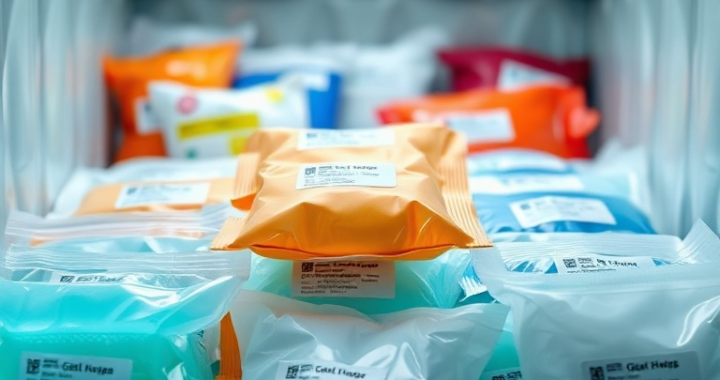
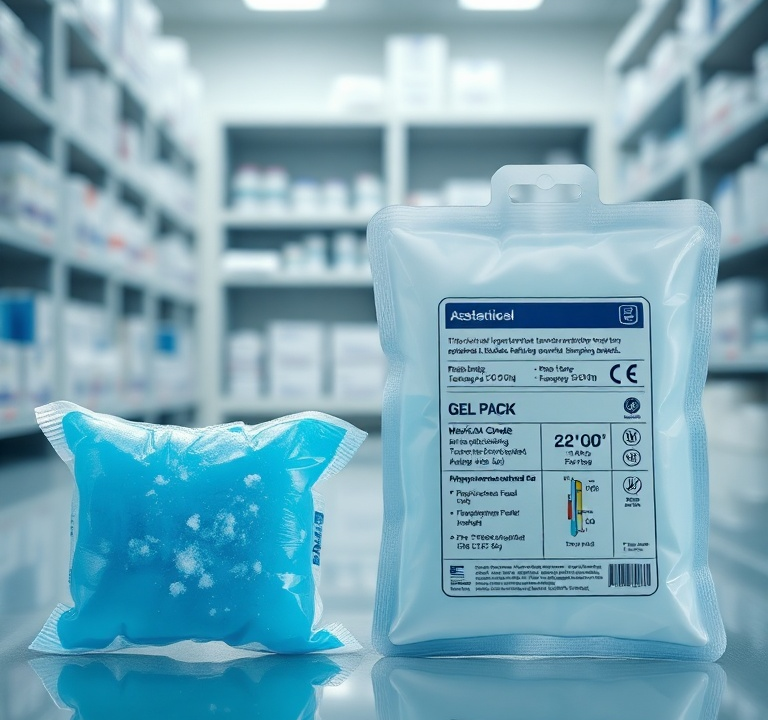
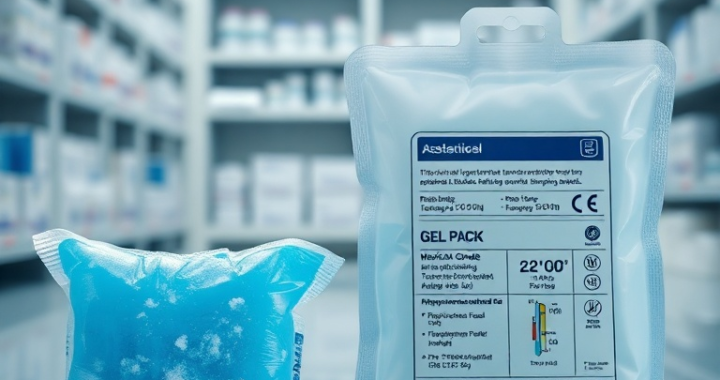
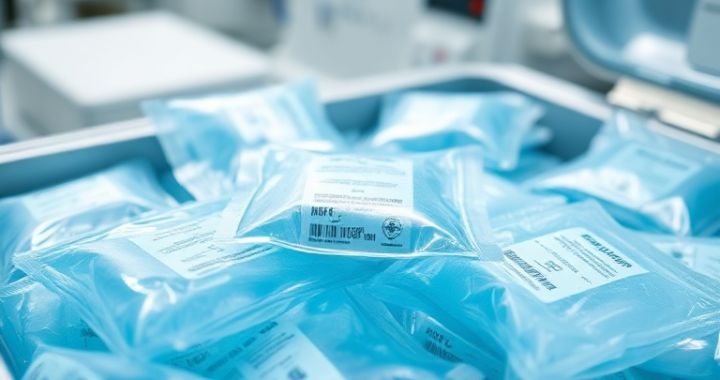
Pharmaceutical gel packs are not merely bags of frozen liquid; they are engineered thermal devices. Their design involves a careful balance of material science, thermodynamics, and packaging innovation. The goal is to create a robust, reliable, and reusable solution that can protect sensitive drugs from temperature excursions throughout their journey, often lasting several days.
The internal composition of these gel packs is critical. They typically contain a non-toxic, food-grade polymer-based gel or a specialized PCM solution encapsulated within a durable, leak-proof film. The specific formulation dictates the freezing point, thawing point, and the duration of temperature stability. Manufacturers conduct extensive testing to validate the performance of these packs under various simulated environmental conditions.
Precision Temperature Control: Beyond Simple Refrigeration
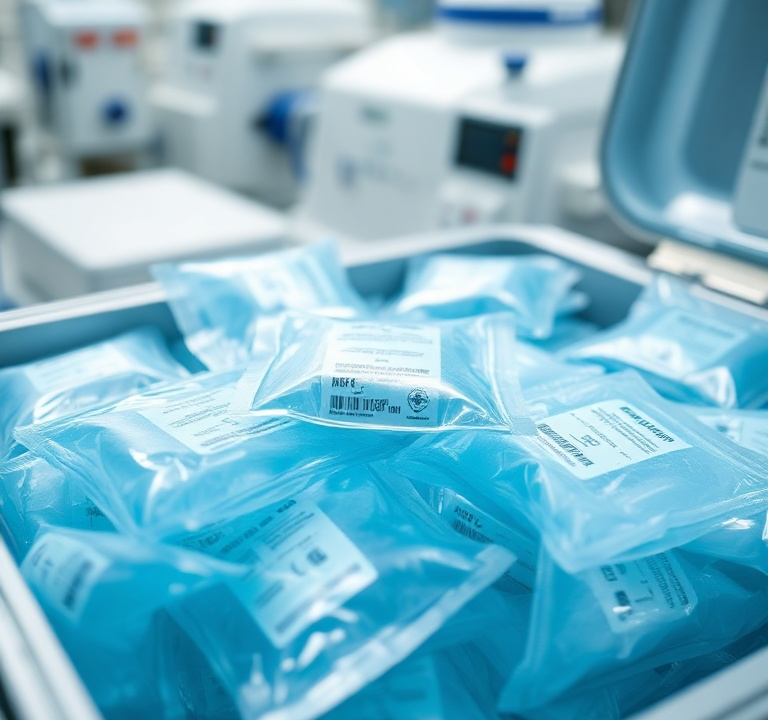
The precision offered by pharmaceutical gel packs goes far **beyond** what a standard refrigerator or cooler can achieve during transit. While refrigerators maintain a set temperature, they are static devices. Gel packs, when used in conjunction with insulated containers, create a dynamic thermal environment that actively resists external temperature changes. They act as thermal batteries, absorbing heat when the ambient temperature rises and releasing it when it falls, thereby stabilizing the internal temperature of the package.
Consider the scenario of transporting insulin, which must be kept between 2°C and 8°C. A gel pack designed with a PCM that freezes at 4°C would be ideal. As the ambient temperature rises, the PCM slowly melts, absorbing heat and preventing the temperature inside the container from exceeding 8°C. Conversely, if the ambient temperature drops, the PCM may refreeze, releasing heat and preventing the contents from freezing. This active buffering capacity is what sets these solutions **beyond** passive cooling methods.
Validation and Qualification: The Rigorous Path Beyond Guesswork
Before any pharmaceutical gel pack can be used for drug delivery, it undergoes a stringent validation and qualification process. This isn’t just a recommendation; it’s a regulatory requirement mandated by bodies like the FDA and EMA. This process ensures that the entire packaging system, including the gel packs, insulated container, and any secondary packaging, can maintain the required temperature range for the specified duration under expected transit conditions.
Thermal mapping studies are conducted, often involving placing temperature data loggers inside the package and subjecting it to extreme temperature profiles designed to mimic real-world hot and cold excursions. This scientific rigor leaves no room for guesswork, ensuring that the gel packs consistently perform their critical function, going **beyond** simple claims to provide verifiable efficacy. These studies are vital for ensuring patient safety and drug integrity.
Applications and Impact: Beyond the Lab and into the World
The impact of pharmaceutical gel packs extends far **beyond** the laboratory and manufacturing floor. They are integral to the global supply chain of temperature-sensitive drugs, enabling access to life-saving medications in remote areas, during humanitarian crises, and for personalized medicine deliveries. Their versatility makes them suitable for various modes of transport, from air freight to last-mile delivery by courier.
Consider the distribution of vaccines, particularly during global health emergencies. The ability to maintain precise cold chain conditions for extended periods without constant access to refrigeration is a logistical marvel, made possible largely by advanced gel pack technology. This allows vaccines to reach populations in diverse climates and infrastructures, truly pushing the boundaries of global health initiatives.
Challenges and Innovations: Beyond Current Capabilities
Despite their advancements, the science of pharmaceutical gel packs continues to evolve. Challenges remain, such as increasing the duration of temperature stability, reducing weight and bulk for more efficient shipping, and enhancing reusability and recyclability to minimize environmental impact. Researchers are constantly exploring new PCM formulations, advanced insulation materials, and smart packaging solutions that integrate real-time temperature monitoring.
Innovations are pushing **beyond** traditional gel packs to include vacuum insulated panels (VIPs) and advanced passive thermal shippers that combine multiple technologies for even longer hold times and tighter temperature control. The future promises even more sophisticated solutions, perhaps integrating artificial intelligence to predict thermal performance based on route, weather, and traffic data, further optimizing safe drug delivery.
Economic and Environmental Considerations: Beyond Efficiency
The economic implications of reliable temperature control are enormous. Pharmaceutical companies invest heavily in cold chain solutions to prevent costly product spoilage, which can run into billions of dollars annually. The use of reusable gel packs and efficient packaging designs also contributes to sustainability efforts, reducing waste and the carbon footprint associated with single-use cooling agents.
Furthermore, the ability to deliver drugs safely to patients means less waste in the healthcare system and improved patient outcomes, which is a benefit that goes **beyond** mere financial metrics. It speaks to the core mission of healthcare: to improve and save lives. This holistic view of impact drives continuous improvement in the design and deployment of these essential components.
Conclusion: Beyond Expectations for Patient Safety
The journey of a pharmaceutical product is a testament to scientific ingenuity and meticulous planning, with temperature control standing as a cornerstone of its integrity. Pharmaceutical gel packs, far **beyond** their humble appearance, represent a critical scientific achievement in ensuring the safe and effective delivery of life-saving medications. Their precise engineering, reliance on advanced phase change materials, and rigorous validation processes underscore their indispensable role in the modern cold chain.
As the pharmaceutical landscape continues to evolve, with increasingly sensitive biologics and complex therapies, the importance of these unsung heroes will only grow. Their ability to maintain stable temperatures, often under challenging conditions, directly translates to patient safety, treatment efficacy, and global health equity. We must continue to push the boundaries of innovation in this field, always striving to go **beyond** current capabilities to protect the vital medicines that improve and save lives.
Understanding the science **beyond** the fridge is not just an academic exercise; it’s an appreciation for the intricate systems that safeguard our health. To learn more about the latest advancements in cold chain logistics and how these technologies are shaping the future of pharmaceutical delivery, explore resources from industry leaders and regulatory bodies like the World Health Organization (WHO) and the International Air Transport Association (IATA). Unlock your potential to contribute to a safer, healthier future by staying informed about these critical innovations.