



Title: The Ultimate Guide to Medical Treatments
Medical professionals are constantly looking for innovative ways to improve patient care and outcomes. One such method that has gained popularity in recent years is the incorporation of cold therapy into treatment plans. Cold therapy, also known as cryotherapy, involves the application of cold temperatures to the body to reduce inflammation, alleviate pain, and promote healing. In this comprehensive guide, we will explore how medical professionals are utilizing cold therapy and its benefits in various medical treatments.
### Understanding Cold Therapy in Medical Treatments
Cold therapy has been used for centuries to treat various ailments, from sprains and strains to post-operative recovery. The application of cold temperatures causes vasoconstriction, which reduces blood flow to the affected area and helps to decrease swelling and inflammation. Additionally, cold therapy can help numb nerve endings, providing pain relief for patients.
In modern medicine, cold therapy is commonly used in sports medicine to treat injuries such as muscle strains, tendonitis, and ligament sprains. Athletes often use ice packs or cold compresses to reduce swelling and pain after intense physical activity. Cold therapy can also be beneficial in managing chronic pain conditions like arthritis and fibromyalgia.
### Incorporating Cold Therapy into Treatment Plans
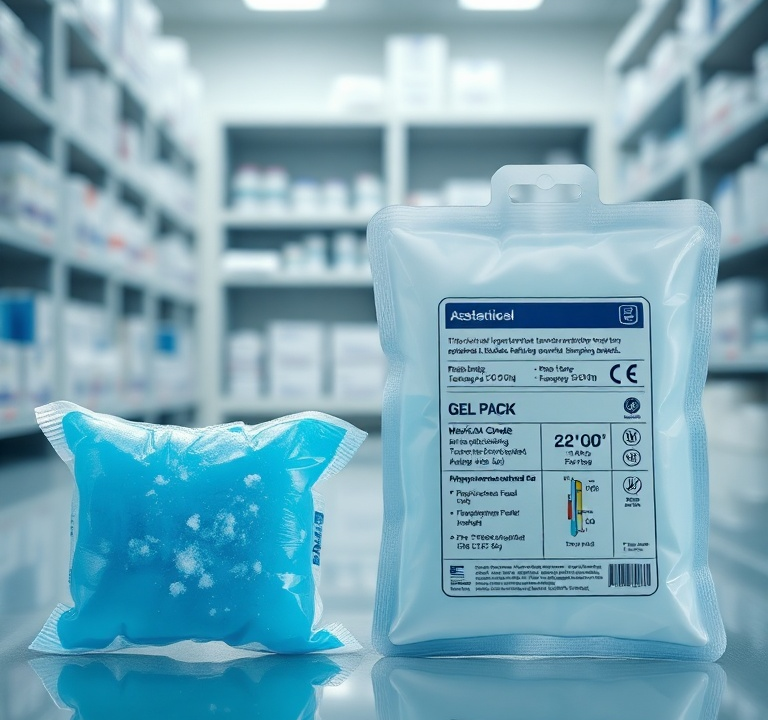
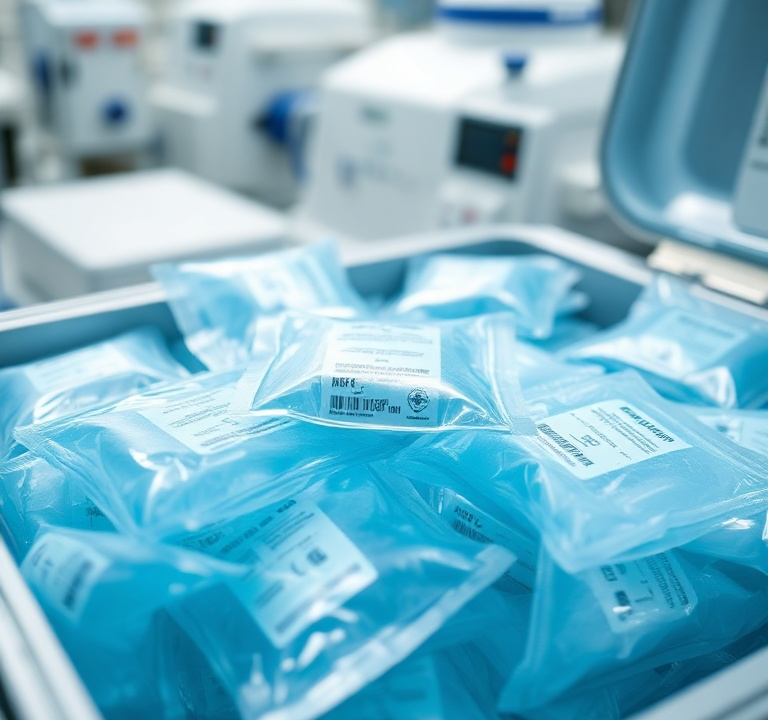
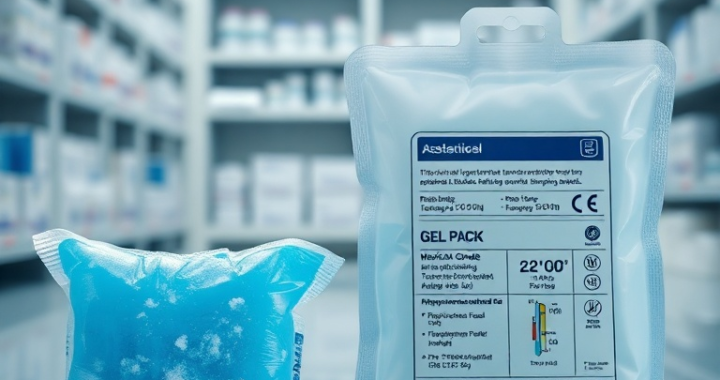
Medical professionals are incorporating cold therapy into treatment plans in a variety of ways. One common method is the use of cold packs or ice baths to reduce inflammation and swelling following surgery or injury. Cold therapy can help accelerate the healing process and improve patient comfort during recovery.
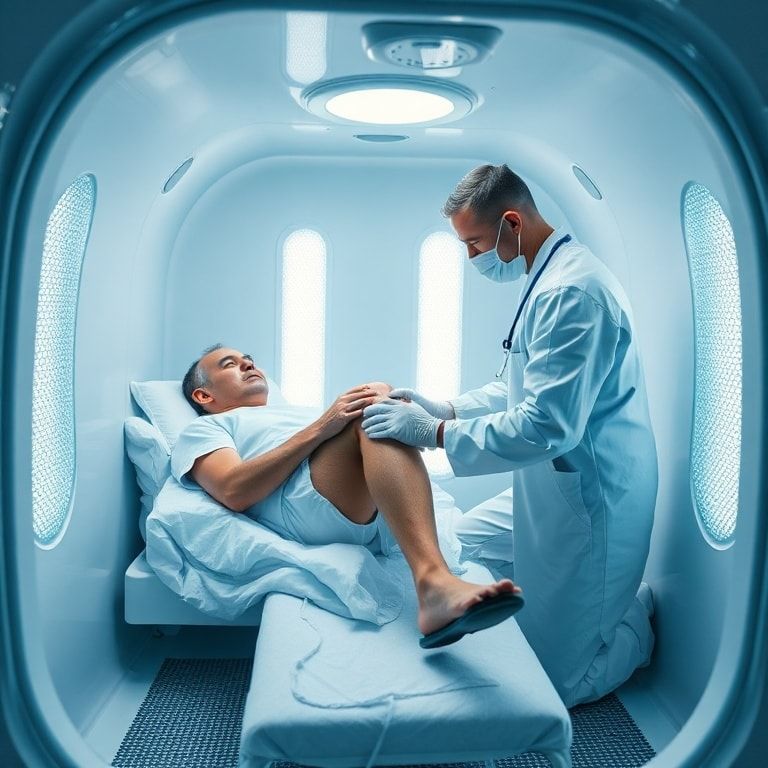
Another popular form of cold therapy is cryotherapy chambers, where patients are exposed to extremely cold temperatures for a short period of time. This type of cold therapy has been shown to reduce pain and inflammation, boost circulation, and improve overall well-being. Cryotherapy chambers are often used by athletes to speed up recovery after intense training sessions.
### The Benefits of Cold Therapy in Medical Treatments
There are numerous benefits to incorporating cold therapy into medical treatments. Some of the key advantages include:
1. Pain Relief: Cold therapy can help alleviate pain by numbing nerve endings and reducing inflammation.
2. Reduced Swelling: Cold temperatures constrict blood vessels, which can help decrease swelling and edema.
3. Faster Recovery: Cold therapy can promote faster healing by improving circulation and reducing inflammation.
4. Improved Range of Motion: Cold therapy can help increase flexibility and range of motion in injured joints and muscles.
5. Non-Invasive Treatment: Cold therapy is a non-invasive and drug-free treatment option for many conditions.
### Conclusion
In conclusion, cold therapy is a valuable tool that medical professionals are using to enhance patient care and improve treatment outcomes. By incorporating cold therapy into treatment plans, healthcare providers can help patients recover faster, manage pain more effectively, and improve overall quality of life. Whether it’s through traditional ice packs or cutting-edge cryotherapy chambers, cold therapy has become an essential component of modern medical treatments.
If you are interested in learning more about how cold therapy can benefit you or your patients, don’t hesitate to speak with a medical professional today. Embracing the power of cold therapy can make a significant difference in your health and well-being.

