
Title: Unveiling the Science Behind Cold: How Your Body Responds to Low Temperatures
The Science Behind Cold Therapy: How Freezing Temperatures Can Help Heal Injuries Faster
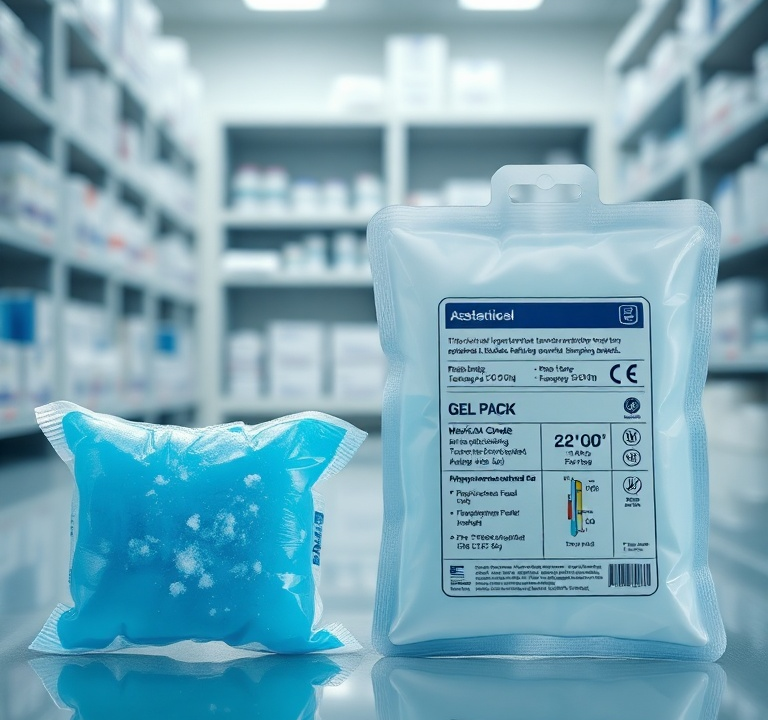
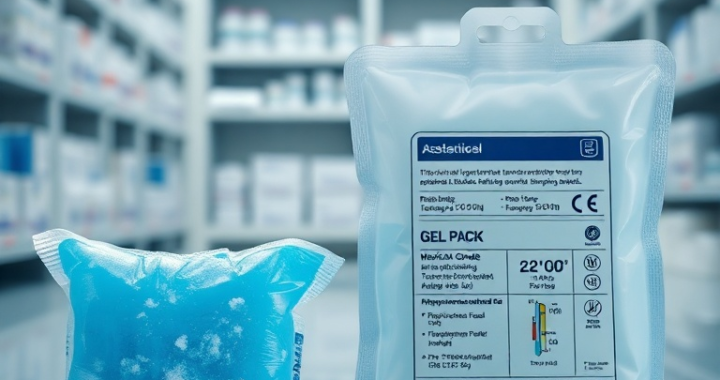
Cold therapy, also known as cryotherapy, has been used for centuries as a natural way to promote healing and reduce inflammation in the body. From ice packs to cold baths, the application of freezing temperatures has been shown to have numerous benefits for recovery after injuries. But have you ever wondered how exactly cold therapy works and why it is so effective? In this article, we will delve into the science behind cold and explore how your body responds to low temperatures.
Understanding the Physiological Response to Cold
When you apply cold therapy to an injured area, such as a sprained ankle or sore muscles, your body undergoes a series of physiological responses to the cold stimulus. The first reaction is vasoconstriction, where the blood vessels in the affected area constrict to reduce blood flow and minimize swelling. This helps to numb the pain and reduce inflammation, providing immediate relief.
As the cold stimulus continues, the body then enters a phase of vasodilation, where the blood vessels expand to increase blood flow back to the injured area. This brings fresh oxygen and nutrients to the tissues, promoting faster healing and recovery. Additionally, the cold temperature helps to slow down nerve conduction, reducing pain signals sent to the brain and providing a natural analgesic effect.
The Role of Cold in Reducing Inflammation
Inflammation is a natural response of the body to injury or infection, but excessive inflammation can delay the healing process and cause further damage to tissues. Cold therapy helps to regulate the inflammatory response by slowing down the release of inflammatory mediators and reducing the production of pro-inflammatory cytokines. This anti-inflammatory effect of cold therapy can help to control swelling, pain, and tissue damage, allowing the body to heal more efficiently.
Moreover, cold therapy has been shown to decrease metabolic rate and enzymatic activity in the cells, which can help to reduce secondary tissue damage and prevent the formation of scar tissue. By slowing down cellular metabolism, cold therapy promotes a more controlled and organized healing process, leading to better outcomes in terms of tissue regeneration and functional recovery.
The Benefits of Cold Therapy for Athletic Performance
Athletes and fitness enthusiasts often use cold therapy as part of their recovery routine to speed up muscle recovery and reduce post-exercise soreness. Cold immersion baths, cryo-chambers, and cold compression devices are popular modalities used to enhance recovery after intense training sessions or competitions. The cold temperature helps to constrict blood vessels, reduce muscle inflammation, and decrease muscle soreness, allowing athletes to recover faster and perform at their best.
In addition to its recovery benefits, cold therapy has also been shown to improve athletic performance by enhancing muscle function and increasing endurance. Cold exposure can stimulate the production of heat shock proteins, which help to protect cells from stress and improve muscle adaptation to exercise. By incorporating cold therapy into their training regimen, athletes can optimize their recovery, reduce the risk of injury, and enhance their overall performance on the field or in the gym.
The Future of Cold Therapy: Innovations and Technologies
Advancements in technology have led to the development of new and innovative cold therapy devices that offer targeted, localized cooling for specific injuries or conditions. From wearable cooling wraps to portable cryotherapy units, these modern devices provide convenient and effective ways to apply cold therapy at home or on the go. Some devices even combine cold therapy with compression therapy, offering a dual benefit of reducing swelling and promoting circulation.
Furthermore, research is ongoing to explore the potential of cold therapy in treating various medical conditions, such as arthritis, fibromyalgia, and chronic pain. Preliminary studies have shown promising results in using cold therapy to manage pain and inflammation in patients with these conditions, offering a non-invasive and drug-free alternative to traditional treatments. As our understanding of the science behind cold therapy continues to evolve, so too will the applications and benefits of this natural healing modality.
In conclusion, the science behind cold therapy reveals the intricate ways in which our bodies respond to low temperatures and the remarkable benefits that cold therapy can offer for healing and recovery. From reducing inflammation and pain to enhancing athletic performance and promoting tissue regeneration, cold therapy is a versatile and effective tool in the realm of natural medicine. By harnessing the power of cold, we can unlock the potential for faster healing, improved recovery, and overall well-being. Embrace the chill and let the science of cold therapy work its magic on your body.
—

